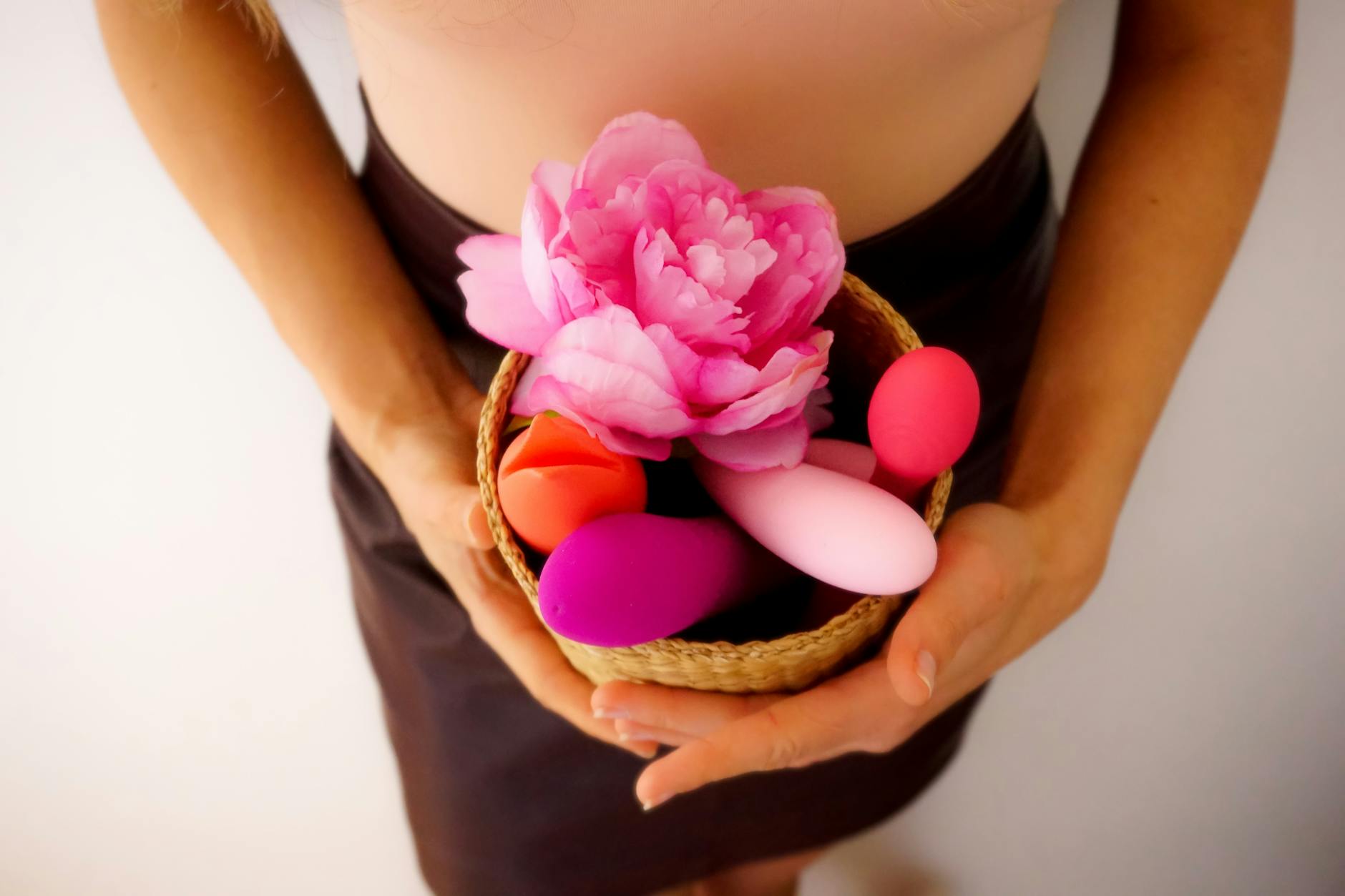
Here's what nobody tells you about pelvic floor recovery
Pelvic floor dysfunction isn't just about pain during sex. It's about losing touch with sensation in a part of your body that's central to pleasure. Whether you're recovering from overuse, trauma, childbirth, or tension that built up over years, the pelvic floor changes how arousal feels. The muscles are tight, communication between your brain and that area gets muddled, and orgasms either disappear or feel distant and frustrating.
What most people don't realize is that pleasure is actually part of the healing process. Not forced pleasure. Not painful attempts at sex. Real, intentional, sensation-focused pleasure that teaches your pelvic floor how to relax again.
Lemon vibrators and other clitoral vibrators fit into recovery in a very specific way. They bypass the pelvic floor tension entirely and stimulate sensation through a different neural pathway. For someone rebuilding connection to their body, that distinction changes everything.
Why the pelvic floor matters for sensation
Your pelvic floor is a group of muscles that runs from your pubic bone to your tailbone. It supports your organs, contributes to bladder and bowel control, and is absolutely woven into sexual response. When it's dysfunctional. tension, pain, or numbness show up.
Here's the tricky part. the pelvic floor is involved in both arousal and orgasm, but it's not the only player. The clitoral complex. the vaginal tissue, the entire nervous system, and your brain all contribute. When the pelvic floor is tight or damaged, the reflex is often to avoid stimulation altogether. But avoidance makes the muscles tighter. You end up in a cycle where the area becomes more numb because you're protecting it.
Breaking that cycle means introducing sensation in a way that doesn't demand the pelvic floor to contract. That's where external clitoral stimulation comes in.
How external clitoral stimulation sidesteps pelvic floor tension
The clitoris has about 8,000 nerve endings, most of them clustered in the glans. the visible tip. When you stimulate the clitoris directly, you're working with a neural pathway that doesn't require the pelvic floor to engage. In fact, external stimulation can sometimes relax the pelvic floor because it draws attention and sensation away from the held tension in the deeper muscles.
Lemon vibrators and other clitoral vibrators work through suction or direct vibration. Both techniques offer something traditional vibration alone doesn't. suction distributes pressure across a wider area instead of concentrating it in one spot. For someone whose pelvic floor is defensive or tender, that diffused sensation feels safer and less triggering.
When you're recovering from pelvic floor dysfunction, you're essentially retraining your nervous system to associate that area with pleasure instead of pain or numbness. External stimulation is a gentler entry point than anything that requires internal penetration or pelvic floor muscle engagement.
Starting slowly during pelvic floor recovery
Here's the thing. if you've been avoiding pleasure during recovery, jumping straight into using a lemon vibrator at full intensity will backfire. Your nervous system is already in protection mode. You need to approach this the way a physical therapist would approach muscle retraining. incrementally, with attention, and with permission to stop if something doesn't feel right.
Start by getting familiar with the sensation of the toy itself without turning it on. Hold it. press it gently against your inner thigh or your mons pubis. the area above your pubic bone. Get your nervous system used to the idea that this object is here to bring sensation, not pain.
When you do turn it on, start at the lowest setting. A lemon vibrator's first pattern is usually gentle. You're not looking for an orgasm on day one. You're looking for a signal from your body that says. this feels okay. I can relax into this.
Keep sessions short. ten to fifteen minutes is plenty. If you feel the pelvic floor starting to clench, pause. Breathe. The goal is to teach the muscles that sensation doesn't mean they need to contract.
Building up sensation and arousal over time
As your nervous system settles into the idea that external clitoral stimulation is safe, you can gradually spend more time exploring. Move the lemon vibrator around. Try different angles. Notice what patterns feel best. Some people find that constant vibration at a moderate frequency works better than pulsing patterns. others prefer the suction-style stimulation that many lemon clitoral vibrators offer.
The key is that you're building a new relationship with arousal. During recovery, arousal might have felt impossible or disconnected. You might have gotten wet but felt nothing emotionally. Or your body might have shut down entirely. That's a normal protection response. Slow, consistent, external stimulation helps your brain and body reconnect.
If you have a partner, let them know what you're doing. You don't need to narrate every session, but it helps if they understand that this is part of your healing. It's not them. It's not about them not being enough. It's about you learning to feel again in a context where you're in control.
When to involve your pelvic floor in recovery
Eventually. as you regain sensation and trust in pleasure, you might want to start reintroducing pelvic floor engagement. But not yet. Not if you're still in the early phases of recovery.
Once you're comfortable with external stimulation and you can experience some pleasure without tension, you can start gentle pelvic floor exercises. Kegels are the obvious choice, but they're only half the equation. You also need to practice relaxing the pelvic floor. Consciously releasing. Because most people with pelvic floor dysfunction are overtight, not weak.
If you eventually want to introduce internal stimulation, talk to a pelvic floor physical therapist first. They can assess where your recovery is and whether you're ready. They might also have specific recommendations about which toys or techniques will work for your particular situation.
For now, let the lemon vibrator do the work. It's designed to give you sensation without demanding anything from the muscles you're trying to heal.
Managing expectations and setbacks
Some days during recovery, sensation will feel strong. Other days you'll feel almost nothing. That's not failure. That's a nervous system that's still learning. Stress, your cycle, sleep, and what you ate yesterday can all shift how responsive you feel.
If you hit a session that feels numb or disconnected, don't force it. Stop. Take a breath. Your body might be telling you it needs something different today. That could be a shorter session, a different pattern, or just rest.
One common setback is having a sensation of arousal build, then suddenly feeling it disappear. That's often the pelvic floor bracing because it expects pain. When that happens, pause the vibrator, breathe deeply, and just let your body settle. You're retraining a protective reflex that took years to build. It takes time to unwind.
Having a partner who understands your recovery timeline is valuable. They can remind you that setbacks are normal and that pleasure is a process, not a destination.
Using lemon vibrators alongside professional care
This matters. If you're recovering from pelvic floor dysfunction, you should also be working with a pelvic floor physical therapist. Not a general PT. someone who specializes in pelvic health. They can give you exercises, assess your progress, and catch complications early.
A lemon vibrator is a complement to that care, not a replacement. Think of it as your way of reintroducing pleasure while your therapist helps you release tension and rebuild function. Together, they address both the mechanical and the emotional sides of recovery.
If you're also dealing with trauma or anxiety around sex, having a therapist in the picture helps too. Pelvic floor dysfunction often lives in a space where physical and psychological patterns reinforce each other. Addressing both simultaneously makes recovery faster and more sustainable.
Why external stimulation matters during this phase
Here's the clinical reality. people recovering from pelvic floor dysfunction often lose confidence in their bodies. External clitoral stimulation gives you back a form of pleasure that doesn't require the part of your body that's been causing trouble. You can experience arousal, sensation, and orgasm without having to trust the pelvic floor yet.
That matters psychologically. It tells your nervous system that pleasure is still available. Your body is still capable. You're not broken. You're healing. And in the meantime, you can still feel good.
Over time, as your pelvic floor heals and you build confidence, you might want to introduce other forms of stimulation. Internal play, partner touch, different types of toys. But there's no rush. Lemon vibrators and other clitoral toys are genuinely valuable tools for recovery, not just a stepping stone.
Take your time. Be patient with your body. And remember that rebuilding sensation is its own form of pleasure.
FAQ
Can I use a lemon vibrator if my pelvic floor pain is severe?
If you have active, severe pain, hold off on vibration for now. Work with a pelvic floor physical therapist first. Once your pain has decreased enough that you can be in your body without bracing or fear, then external clitoral stimulation becomes useful. Jumping straight to a vibrator when you're in acute pain can reinforce the nervous system's protective response.
Will using a lemon vibrator slow down my pelvic floor recovery?
No. External clitoral stimulation doesn't engage the pelvic floor muscles, so it won't interfere with them relaxing or strengthening. In fact, reintroducing pleasure often speeds up recovery because it reduces the fear and avoidance that keep muscles tight. Your nervous system learns that sensation in this area can feel good.
How long until I can have partnered sex after using lemon vibrators during recovery?
That depends on your specific situation and what "partnered sex" means to you. If it means penetration, you'll need clearance from your pelvic floor physical therapist. If it means non-penetrative sex with a partner, that might happen sooner once you've regained some sensation and confidence. There's no universal timeline. Recovery for pelvic floor dysfunction can take months to years depending on the underlying cause.
Should I tell my partner I'm using a lemon vibrator for recovery?
Yes, if you're in a relationship where you want to rebuild sexual connection. You don't need to make it clinical, but honesty helps. Something like, "I'm working on rebuilding sensation and confidence, and I'm using a vibrator as part of that" gives them context. It also prevents them from interpreting your solo exploration as a rejection of them.
Can a lemon vibrator help if my pelvic floor dysfunction caused numbness?
Absolutely. Numbness during recovery is one of the most frustrating symptoms. External clitoral stimulation can help wake up sensation because the clitoral nerve pathways are separate from the pelvic floor. You might feel arousal or pleasure from the vibrator even if the deeper pelvic area feels numb. Over time, as your nervous system heals, that sensation can extend inward.
What if I have both pelvic floor dysfunction and reduced sensation from medications?
The combination is common. In that case, a lemon vibrator becomes even more valuable because it offers a form of stimulation that bypasses both the tight pelvic floor and the medication-related numbness. The suction or vibration can sometimes reach sensation that direct touch alone can't. Work with both your doctor and a pelvic floor therapist to address both factors.
Moving forward with recovery
Pelvic floor dysfunction changes your relationship to pleasure, but it doesn't end it. Using a lemon vibrator or other clitoral vibrator during recovery is a way of saying to your body. I hear that you're struggling. I'm not going to force you. I'm going to give you something that feels safe and good right now.
If you have specific questions about your recovery or want personalized guidance, reach out to Lems Nancy. Our team can point you toward resources and support as you rebuild sensation and confidence. Your pleasure matters. Your recovery matters. And you don't have to do it alone.