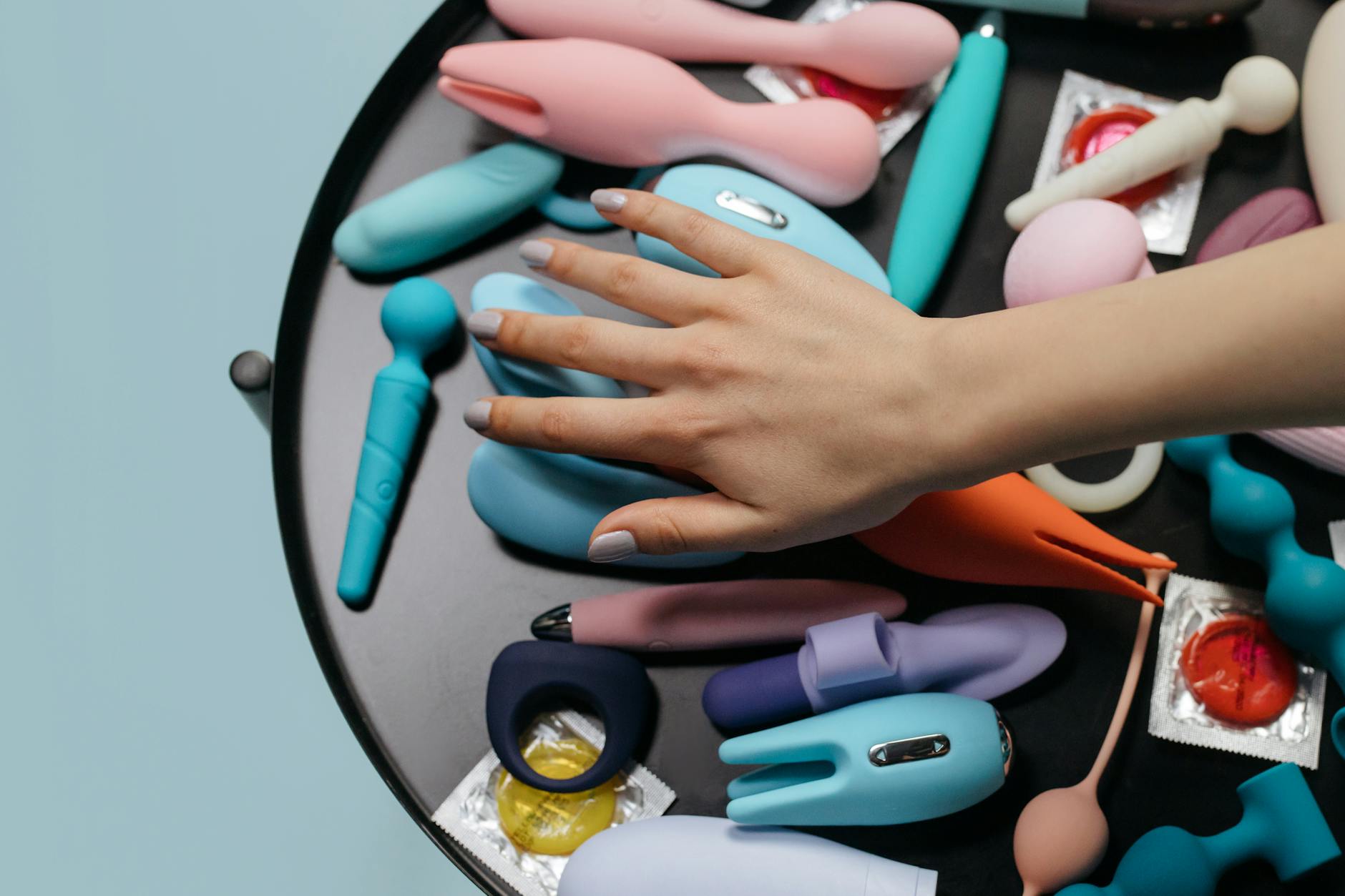
How to Use Lemon Vibrators With a Partner Who Is Hesitant About Toys
Honestly, this is one of the most common conversations I have with couples. One partner wants to introduce a lemon clitoral vibrator (or any toy), the other partner hears that as "you're not enough," and suddenly you're navigating defensiveness, insecurity, and a conversation neither of you actually wants to finish.
The good news: it doesn't have to go that way. I've watched dozens of couples move from "I don't think we need that" to "actually, this is really nice" once they understand what the conversation is actually about.
What your hesitant partner is usually actually worried about
When someone says "I don't think we need toys," what they're often really saying is one of these things:
- "Am I not doing enough for you?"
- "Does this mean you don't want me anymore?"
- "If you use a vibrator, I'm somehow failing."
- "Sex toys feel clinical or weird or not romantic."
- "I'm worried this will become a requirement."
None of these are actually about the lemon vibrator itself. They're about feeling adequate, wanted, and secure in the relationship. That's the conversation you need to have before the toy ever comes out of the box.
Start with the frame, not the tool
Don't lead with "I want to buy a vibrator." Start with something closer to the truth.
"I've been thinking about our sex life, and I want more pleasure in it. Not instead of you. In addition to us. I read that a lemon clitoral vibrator can help me get there faster, and honestly, I think it could be really fun if we used it together. What would that feel like for you?"
Notice what this does: it centers pleasure (not performance), it makes it collaborative (together, not solo), and it explicitly invites their feelings. You're not springing a decision on them. You're asking.
Their answer matters. If they say "I feel weird about this," that's not a "no." That's a starting point.
The insecurity question comes up every time
If your partner says something like "Does this mean I'm not enough?" here's what works: name it directly.
"That's what I was worried you'd think, and I want to be really clear. This isn't about you not being enough. My body changes throughout the month, my sensitivity changes, sometimes I need different kinds of stimulation to come. That's not a reflection on you. That's just my nervous system. A vibrator helps me experience more. You're still here, you're still involved, and that matters to me."
If they're resistant after that, the real issue isn't the vibrator. It might be a deeper relationship question about security or communication. That's worth addressing separately, maybe with a therapist.
How to actually introduce the lemon vibrator without weirdness
Once you've had the conversation and your partner has agreed to try, here are the mechanics:
Bring it into the bedroom as a tool, not a novelty. Don't giggle or apologize. "So I got this lemon clitoral vibrator. Want to try it together tonight?" Straightforward, matter-of-fact, normal.
Start with external stimulation only. Let your partner watch or help. Some people find it helpful to use it on themselves first while their partner is present, so there's no sudden new sensation. This takes the mystery out of it.
Name what you're feeling. "That's really nice," or "That pressure feels good," or "I like this better at setting 2." Narrating your experience removes the clinical vibe and keeps your partner engaged and informed.
Let them participate. If they want to hold it, guide it, or apply it themselves, let them. This shifts the dynamic from "you're being replaced" to "we're doing this together." Some couples find it hottest when the partner controls the lemon vibrator while kissing or touching elsewhere. That's not weird. That's integration.
Common hiccups and how to handle them
"It's too strong for me" or "It doesn't feel like anything." This is normal. Vibrators feel different to everyone, and sensitivity changes week to week. Try different pressure settings, different positions, or just take a break. Not every tool works for every body, and that's fine.
Your partner feels left out or not involved. Circle back to the participation piece. A hesitant partner often becomes more comfortable when they have agency. "Can you try touching me at the same time?" or "Hold it here while I tell you if I like it?" These small shifts can make all the difference.
They liked it the first time but now seem distant. Check in. "I noticed you were quiet last time. Everything okay?" Sometimes people need a little processing time. Sometimes there was discomfort they didn't want to name. Just ask.
The reframe that actually changes minds
Most people warm up to toys when they realize it's not an either-or. It's not "lemon vibrator instead of sex." It's "lemon clitoral vibrator plus us." Some couples use it during partnered sex. Some people use it alone and their partner knows about it and that's hot to them. Some couples use it occasionally, some never again. All of those are fine.
What matters is that your hesitant partner realizes the vibrator isn't a threat to them. It's a tool for pleasure, and pleasure in a relationship is good for both people. When intimacy deepens and pleasure increases, couples often report better emotional connection overall.
When hesitation is something else entirely
If your partner stays resistant after you've had the conversation, checked in on their feelings, and genuinely tried to understand their worry, there might be a bigger relationship question underneath. Sometimes hesitation about toys is actually hesitation about the relationship itself, or anxiety that goes beyond rational worry.
That's when couples counseling is actually useful. A therapist can help you both figure out what the real sticking point is and whether it's something you can work through together.
But in most cases, the conversation itself shifts things. People are less afraid of things they understand. And a lemon clitoral vibrator, properly introduced, becomes just another way to feel good together.
FAQ
What if my partner says no and won't change their mind?
Then you have a choice to make about what you want sexually in the relationship. That's a real conversation, and it might need professional help. But "no" is different from "hesitant." Hesitant usually means "scared or unsure," and that can shift. "No" is a boundary, and boundaries deserve respect.
Is it pushy to keep bringing it up if they said no?
Yes. One conversation about how you feel and what you want. If they say no, let it sit for a few months. People's minds do change, but not because you kept asking. Usually people come around when they feel safe and not pressured. If they never come around, then you decide if that's a dealbreaker.
What if I use a lemon vibrator alone and my partner finds out?
Honesty is better than secrecy. If they find out you've hidden it, the conversation becomes about trust, not about pleasure. Better to say upfront: "I've been using this on my own, and I really like it. I'd love to use it with you someday, but I understand if you're not there yet." That frames it as something healthy, not something shameful.
Can a lemon clitoral vibrator improve orgasms even if my partner stays reluctant?
Absolutely. Using it solo is completely valid and often helps people understand their own bodies better, which makes partnered sex better too. But if you want to use it with a partner, the conversation has to happen without pressure. Sometimes the best path is: solo use first, then revisit the partner conversation when you're confident and clear about what feels good.
My partner watches porn but won't use toys with me. Why is that different?
Good question. Sometimes people separate "solo fantasy" from "real intimacy," even when that distinction doesn't actually make logical sense. A vibrator feels more real to some people than watching porn does, which can make it feel more threatening. Worth naming that directly: "I notice you're okay with some things but not others, and I'm curious what the difference feels like to you."
Is there a lemon vibrator designed specifically for couples?
Some clitoral vibrators work better for partnered sex than others, depending on the shape and size. A lemon clitoral vibrator like the Lem is designed to be usable during penetration, which some couples find less intimidating than a larger wand. The smaller profile means your partner can stay close and involved, which sometimes helps hesitant partners feel less displaced.
The actual bottom line
Hesitation about toys usually isn't about the toy. It's about insecurity, unfamiliarity, or a communication gap that exists elsewhere too. The vibrator becomes the metaphor for a bigger conversation about pleasure, adequacy, and what you both want.
If you can separate those conversations and address the fear underneath the "no," most couples find their way to "actually, this is nice." And even if they don't, you've at least learned something real about what your partner actually needs to feel secure.
That conversation alone is worth it.
Ready to deepen the dialogue with your partner? Start with the conversation basics here.