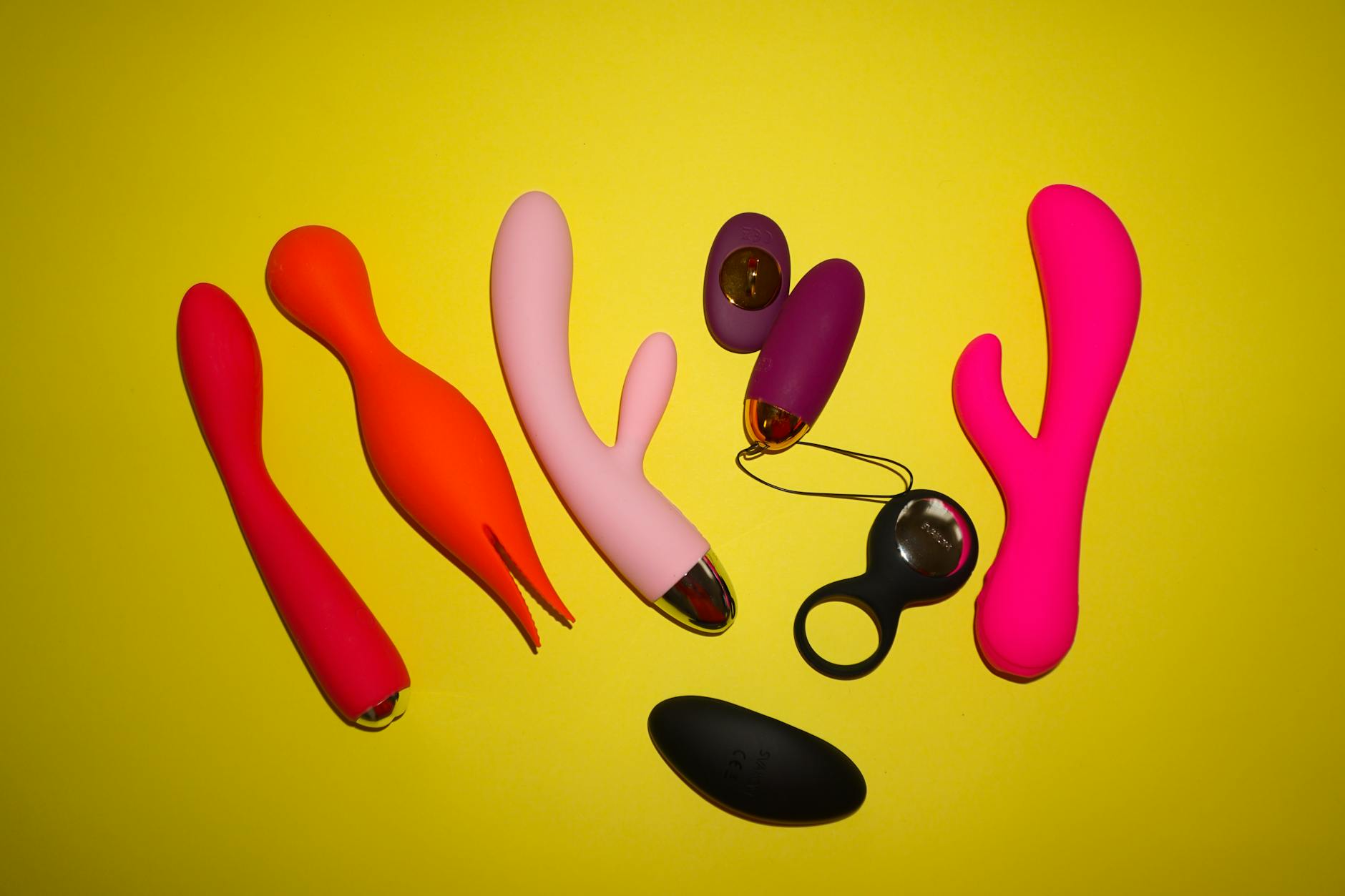
Here's what nobody tells you about hormones and pleasure
Your hormones don't just affect your mood or your skin. They reshape how your body responds to touch, how quickly pleasure builds, and what intensity actually feels good. The problem is that most people don't connect these dots until something suddenly feels different during sex, and then they panic.
Let me be clear: different does not mean broken. It means your nervous system has shifted, your tissue sensitivity has changed, and you need to match your tools to what your body needs right now. That's exactly what lemon vibrators, and specifically lemon clitoral vibrators like the Lem, are designed to do.
Why hormonal fluctuations change sensation so dramatically
Your clitoris is exquisitely hormone-sensitive. Estrogen and testosterone both affect blood flow, tissue thickness, and nerve responsiveness. When hormones dip or fluctuate—whether from birth control, pregnancy, perimenopause, or stress—your clitoris responds by changing how it swells, how quickly it becomes engorged, and how intensely it responds to stimulation.
This is not weakness. This is biology. And it's completely workable once you understand it.
The reason lemon sexual toys, particularly the air-suction style that defines the Lem, work so well with hormonal shifts is architectural. Traditional vibrators require your tissue to be sufficiently engorged and resilient to handle direct vibration. When hormones drop or fluctuate, tissue can become more delicate. Air-suction technology bypasses that problem entirely. Instead of percussion or buzzing, it creates a gentle seal that pulls nerve endings toward the stimulation point without requiring friction.
You're not vibrating at your clitoris. You're inviting sensation inward.
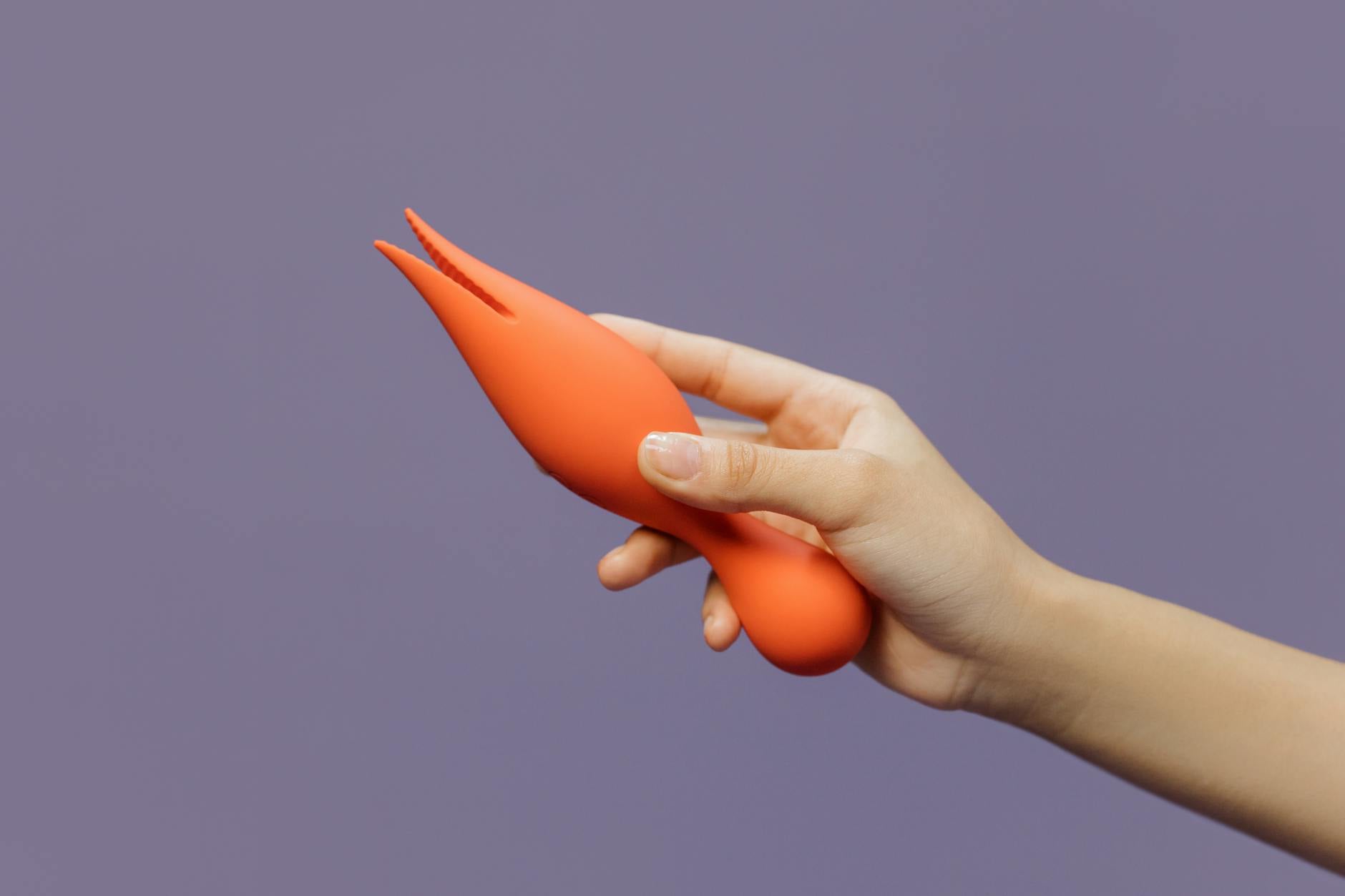
Photo by cottonbro studio on Pexels
The specific ways hormonal shifts affect pleasure
Estrogen drops: tissue becomes thinner but sensitivity can spike
When estrogen declines, your clitoral tissue thins slightly. This sounds scary. In reality, thinner tissue often means heightened nerve density per square millimeter. You're not losing sensation. You're concentrating it. A lemon clitoral vibrator's suction pattern actually becomes more effective because there's less tissue between the nerves and the stimulation point.
The trade-off is that direct pressure can feel too intense or even uncomfortable. This is why pattern 1 or 2 on the Lem, combined with proper positioning, often delivers better orgasms post-hormone-shift than you expected.
Testosterone fluctuates: arousal speed changes but depth doesn't
Testosterone drives desire and also affects how quickly your clitoris responds to stimulation. When it dips, foreplay might need to extend from ten minutes to twenty. But here's the secret: once you're there, the orgasm itself is often just as deep or deeper.
With a lemon vibrator, you can spend that extended warm-up time exploring different patterns at low intensity, letting your arousal build naturally rather than forcing intensity. By the time you're ready, you know exactly which pattern and intensity works for your current hormonal state.
Progesterone spikes: everything feels duller
Progesterone is the numbing hormone. High progesterone makes pleasure feel muffled, like you're experiencing everything through cotton. This is temporary and completely normal in some phases of the cycle or on certain birth controls. A lemon sucker style vibrator helps because the suction creates a strong, distinct sensation that cuts through the numbness. It's almost like volume control for your pleasure.
How to match lemon vibrators to your current hormonal state
Step one: map your cycle or hormonal pattern
Spend two cycles tracking when you feel most and least sensation. Are you more responsive in the week after your period? Do you feel numb on days 19-21? Is everything muted on your birth control? Write it down. This data becomes your pleasure roadmap.
Step two: adjust your tool settings to match
When sensation is high and tissue is responsive, you might use pattern 3-5 on your Lem. When hormones have dampened things, drop to pattern 1-2 and spend more time in the warm-up phase. A lemon clitoral vibrator's variable patterns exist specifically for this reason. You're not locked into one intensity.
Think of it like volume on a speaker. When the room is quiet, you don't need high volume to hear clearly. When there's noise, you adjust upward.
Step three: extend your exploration window
Hormonal shifts often mean arousal takes longer to build. Instead of resisting this, lean into it. Spend fifteen to twenty minutes with lower intensity, discovering which patterns feel best during this hormonal phase. This isn't foreplay wasted. This is data collection. You're learning your body's current preferences.
Step four: pay attention to lubrication needs
Hormonal drops often mean natural lubrication decreases. This is not an orgasm killer. It's a signal that water-based lubricant becomes your friend. Apply it generously and reapply as needed. The combination of lube and suction technology on a lemon vibrator is remarkably effective even when natural lubrication is minimal.
The science behind why lemon adult toys adapt better than alternatives
Traditional vibrators work on percussion. They shake fast, and your tissue has to be in the right state of plumpness and resilience to respond well. If hormones have thinned tissue or reduced blood flow, you're fighting against your biology.
Lemon vibrators, specifically air-suction models, work with your nervous system rather than against your tissue structure. The stimulation is created by pressure and release, not by mechanical shaking. This means hormonal state has far less impact on whether the tool works effectively.
In clinical terms, suction-based stimulation activates mechanoreceptors (pressure-sensing nerves) rather than relying primarily on vibratory stimulation. These nerves remain responsive even when hormonal factors have changed blood flow or tissue thickness.
Plain language: your nerves still work. You just needed the right tool.
Timing and frequency: working with hormonal reality
If you're menstruating, your first few days post-period often bring heightened sensation. This might be your peak window for exploring higher patterns. As progesterone rises in the luteal phase, you might shift to lower intensity exploration.
None of this is wasted time. You're not fixing something broken. You're becoming fluent in your body's current language.
For people not menstruating, hormonal fluctuations might be subtler but still real. Stress hormones like cortisol and adrenaline suppress arousal and sensation. Even a high-stress week can dampen things. Knowing this, you can adjust your tool expectations and intensity rather than assuming something is permanently wrong.
What shifts when you match your tool to your hormones
Most people report that orgasms actually improve after they align their lemon clitoral vibrator use with their hormonal state. The reason is simple: you're no longer fighting against your biology. You're working with it.
Intensity might feel different. It might take longer to build. But the release is often deeper because you've given your arousal the time and tool match it needs. When you use lemon vibrators tactfully with a new partner, this same principle applies—understanding what works now versus what worked six months ago is your foundation.
Common patterns people notice after hormonal shifts
Orgasms that used to happen fast now require longer warm-up but feel more intense. Sensation that felt muted on birth control sharpens as the lem vibrator's suction cuts through. Pleasure that disappeared during high-stress periods returns once cortisol drops. None of these are problems. They're your body's feedback.
The people who struggle most are those fighting for the old pattern instead of exploring the new one. The people who thrive are those who treat their changing body as useful information rather than as betrayal.
One more thing about patience and pleasure
Hormonal shifts aren't punishment. They're part of how your body communicates its current needs. A lemon vibrator becomes less about achieving specific outcomes and more about meeting yourself where you actually are. That's when pleasure gets really interesting.
Frequently asked questions
Does using a lemon vibrator regularly affect my natural hormones?
No. Using a lemon clitoral vibrator or any sexual toy has no impact on your hormone production. Your hormones are regulated by your pituitary gland, thyroid, ovaries, and adrenal glands—none of which respond to external vibration. What does affect hormones is stress, sleep, and overall health. Ironically, regular pleasure can lower cortisol and improve sleep, which supports hormonal balance indirectly.
Can hormonal birth control permanently change how my body responds to lemon vibrators?
Birth control can temporarily change sensation while you're taking it. Some people adapt within a few weeks. Others find sensation stays muted throughout their cycle. The good news: this isn't permanent. If you switch birth control methods or stop altogether, your baseline sensation typically returns. Meanwhile, lemon sexual toys help you work with your current hormonal state rather than waiting for it to change.
Will my orgasms feel the same after hormonal shifts as they did before?
Often they'll feel different but not worse. Many people report that orgasms deepen or change in character after hormonal shifts, especially if they adjust their tool and technique. The intensity might come from a different place, or the build might be slower but the release deeper. This is normal adaptation, not loss. Understanding your pleasure cycle across hormonal phases helps you appreciate these shifts instead of resisting them.
Is it normal for a lem vibrator to feel less effective at certain times?
Completely normal. If your hormones have shifted your baseline sensation, patterns that worked before might need adjustment. Try moving to a higher pattern, extending warm-up time, or using additional lubrication. If effectiveness changes, your body is sending data. Respond to it rather than assuming the tool is failing.
When should I see a doctor about hormonal changes affecting pleasure?
If sensation change is sudden, severe, or accompanied by pain, that warrants a conversation with a healthcare provider. If it's gradual and matches your hormonal cycle or life stress, it's typically just your body responding normally to change. That said, a menopause specialist or endocrinologist can help clarify whether hormone therapy or other interventions might help if the changes feel distressing.
Can different hormonal states mean I need different lemon adult toys?
Not necessarily. A high-quality lemon vibrator with variable patterns adapts to multiple hormonal states. What changes is your pattern preference and warm-up time, not the tool itself. That said, some people find that different toys serve different hormonal phases—a lem vibrator for baseline pleasure, something gentler for very high-sensation phases, something more intense for progesterone-dampened periods. Experiment and notice what your body prefers in each state.
Does stress impact sensation the same way hormones do?
Yes. Stress hormones like cortisol suppress arousal and numb sensation almost as effectively as hormonal shifts. That's why pleasure often improves dramatically when life stress decreases, even if hormone levels haven't changed. A lemon clitoral vibrator can help cut through stress-induced numbness just as it does with hormonal dampening, though addressing the stress source matters too.
The real point about hormones and pleasure
Your body isn't broken when sensation shifts. It's communicating. Lemon vibrators, particularly air-suction models like the Lem, exist partly because they work across varied hormonal states. They're not dependent on your tissue being in a specific state of plumpness or your arousal being at peak speed. They work with what you have right now.
That's the whole design. Meet yourself where you are, adjust your tool to match, and notice what opens up. That's how pleasure deepens after hormonal change—not by fighting it, but by learning its language.
Have questions about how to navigate pleasure and intimacy through transitions? Reach out to our team and let's talk.