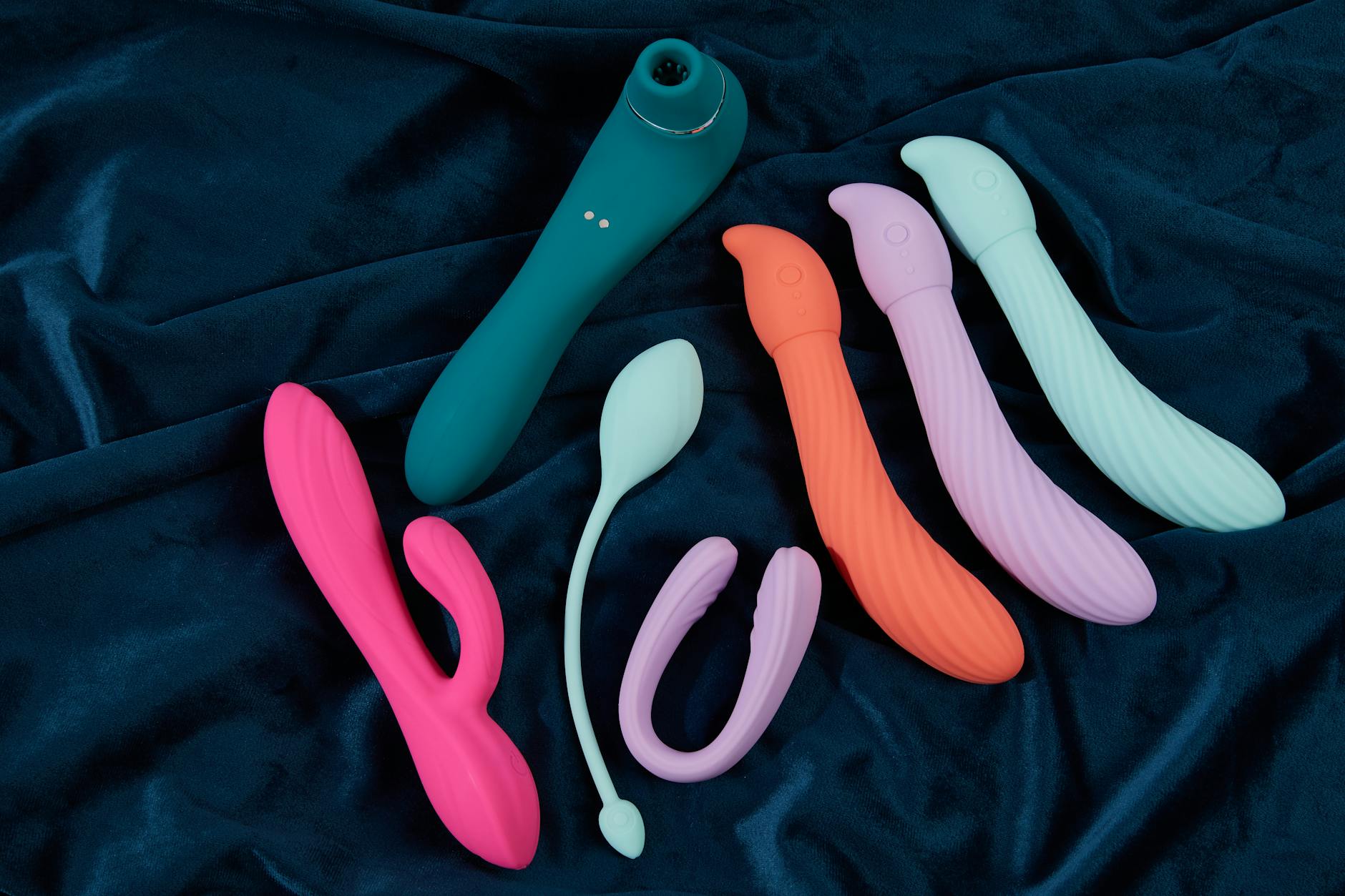
Let's talk about the elephant in the bedroom
You've got a vibrator you love. You're seeing someone new. And now you're stuck in that weird mental loop: bring it up too early and you seem sex-obsessed, wait too long and it feels like a surprise you've been hiding. Here's the thing though. A new partner who reacts poorly to you knowing what you need is showing you something important about their capacity for maturity. Your pleasure matters. Full stop.
The right time to mention a lemon clitoral vibrator isn't actually about timing at all. It's about building the conversational muscle first, so the actual moment feels natural instead of staged.
Why the first month usually isn't the right time (and that's fine)
You need about four to six weeks of sexual connection before bringing this up. Not because there's shame involved, but because early sex is already packed with performance anxiety, novelty, and unspoken expectations. Your nervous system is doing a lot of background processing about whether you trust this person, whether you're compatible, whether they're going to flip out if you ask for something unconventional.
Adding "oh and by the way, I use toys" into that mix is asking your brain to handle too many variables at once. Give yourself time to feel comfortable. Let them see your sexual confidence settle in naturally. Then, when you mention it, it lands as part of who you are, not as a request they need to approve.
That said, if you've been together six weeks and you still feel anxious about your own pleasure needs, that's worth noticing. A partner worth keeping will want to know what feels good to you.
The conversation opener that actually works
Forget asking permission or apologizing. Don't lead with "Is it weird if...?" or "I'm kind of into..." Both positions you as needing validation. Instead, frame it as information they should know about you, the same way you'd mention a food allergy or a work stress.
Here's the move: During a comfortable, clothed moment (not mid-sex, not right after), say something like: "I want to talk about something that's important to me sexually. I really enjoy using a vibrator. It helps me relax and feel good. That's something I'd love to explore together, but I also want to make sure you're comfortable with it."
Notice what's happening there. You're stating a fact about yourself. You're expressing interest in inclusion. You're also genuinely asking for their feelings. This isn't a demand. It's a conversation.
If they ask questions, answer them simply. "How often do you use it?" "A few times a week when I'm alone, and ideally with you too." "Would you feel left out?" "Honestly, no. I'd probably feel more connected." You're being straightforward and kind.
What a lemon clitoral vibrator actually does in partnered sex
Many new partners assume that introducing a clitoral vibrator means you're not satisfied with them. This is worth addressing directly, because it's almost never true. Lemon vibrators like the Lem create a specific kind of stimulation that's different from what a penis, fingers, or tongue can do. It's not better. It's different.
When you're partnered, a lemon clitoral sucker vibrator can actually deepen connection. You're not replacing them; you're adding a tool that helps you orgasm faster, which means more energy for longer sexual sessions together. You're also removing the pressure they might feel to be the only source of your pleasure.
Talk about this. Say: "I know you care about my pleasure, and I care about yours. This tool just helps me get there reliably, especially during partnered sex. It's not about you not being enough. It's about both of us enjoying the experience more." That reframe dissolves most resistance.
The first time you actually use it together
Don't make it a big production. Don't light candles and announce "We're trying something new tonight." That creates pressure on both of you. Instead, weave it into foreplay the way you'd weave in any other touch.
You might hand them the vibrator and say, "Want to try this on me?" Or you might use it yourself while they're touching you elsewhere. The key is keeping it low-stakes. If it feels good, great. If the moment's off, you just set it aside and keep going.
Start with a lower setting. Let them see that you know your body and can guide yourself toward pleasure. This is actually deeply sexy to most partners because it removes the guessing game. You're not asking them to figure you out; you're showing them what works.
If they want to take over using it, let them. But also feel free to say, "Actually, I like holding it myself because I can control the angle." That boundary is healthy and normal.
When they feel threatened (and how to handle it)
Some partners will react defensively. "Don't you need me?" "Are you comparing me to a toy?" "I feel like you're not interested in me anymore." These are insecurity speeches, not actual concerns. But they matter because they're telling you something about your partner's confidence or past experiences.
The move is to separate the two conversations. One is about your pleasure needs. The other is about their insecurity. You can address both, but they're not the same thing.
Try: "I need you to hear this. My desire for you and my need for this tool aren't in competition. I'm attracted to you. I want to have sex with you. I also know that I orgasm differently than you might expect, and this helps. Both things are true at the same time."
If they remain resistant after a calm conversation, you've learned something important: they're not ready for a partner who knows and asks for what they need. That's information. Use it.
Building the habit without making it weird
Once you've used a lemon clitoral vibrator together a few times successfully, it becomes furniture in your intimate life. You don't announce it. You don't ask permission each time. It just becomes part of what works for you two.
Some couples integrate it into specific scenarios (oral sex, when you want to orgasm quickly, when penetration feels intense). Others use it most times you're intimate. Neither is better. You're building your own sexual language together.
The confidence piece matters here. If you act like using a lemon vibrator is normal and healthy for you, your partner will believe you. If you act guilty or apologetic, they'll assume something's wrong. Your body language, tone, and matter-of-factness set the entire emotional tenor.
The bigger relationship skill you're building
This conversation about toys isn't actually about toys. It's about your ability to ask for what you need and your partner's ability to hear you without it becoming about their ego. Those two things are foundational to long-term satisfaction and emotional intimacy.
If this person can't handle a straightforward conversation about pleasure, they're probably also going to struggle when you need to talk about boundaries, money, family, or any other thing that requires adult communication. Use this as a rehearsal. Get comfortable advocating for yourself now, when the stakes feel smaller.
Your pleasure matters. Your needs are worth stating clearly. And a partner worth keeping will be relieved to finally know what works. That's not pressure. That's clarity. And clarity is sexy.
People also ask
How do I know if my new partner will be okay with me using a vibrator?
You won't know until you mention it. But you can get hints from how they respond to other conversations about sex, boundaries, and your own needs. Do they ask questions or shut down? Do they center your experience or only theirs? A partner who's genuinely interested in your pleasure will want to know what gets you there. If someone reacts with shame or jealousy to an inanimate object, that's a sign they have some insecurity work to do before they're ready to be a good sexual partner.
Should I use a lemon clitoral vibrator alone first, so I know how to use it with them?
Absolutely. Know your own body and what settings feel good before you bring a partner into the experience. You'll feel more confident explaining it, and you won't be learning and performing at the same time. That's a lot of cognitive load. Get comfortable with the vibrator yourself. Understand how it feels, what rhythm works, what doesn't. Then when you're with your partner, you're guiding them through something you already understand.
What if I'm embarrassed about wanting to use a lemon sucker vibrator during sex?
That embarrassment is worth examining. Is it shame about your own sexuality (something to work through yourself), or is it concern about your partner's reaction (something to test in conversation)? There's a difference. The first you need to unpack alone or with a therapist. The second you can only find out by actually having the conversation. What if they're totally into it? Plenty of people find it incredibly hot when a partner knows what they want and isn't afraid to ask.
Can using a clitoral vibrator with a new partner hurt their feelings?
It can if they interpret it as rejection. That's why the conversation before introduction is so important. When your partner understands that the vibrator serves a different function than they do (it's not replacing anything), the shame and comparison dissolve. Also remember: their feelings are their responsibility. You can be kind and clear about your needs without making yourself smaller to manage their insecurity.
How do I bring up using a lemon vibrator if I haven't mentioned it yet and we've been together a few months?
The longer you wait, the bigger it feels in your head. Just do it. "Hey, I want to talk about something. I've been using a vibrator for a while, and I'd love to explore that together. I know I'm bringing it up late, and that might feel random, but I want to be honest about what I need." Then let them respond. Most people are way more okay with it than you think they'll be.
Is it normal to want to use a lemon clitoral vibrator with a partner?
Completely normal. Vibrators are used in partnered sex by millions of people. They're tools for pleasure, same as hands or mouths. The more you normalize it internally, the more your partner will see it as normal too. Confidence is contagious.
The last thing you need to know
Introducing a lemon clitoral vibrator to a new relationship is ultimately about honoring your own pleasure as something worth advocating for. That's not selfish. That's self-respect. And self-respect is genuinely attractive.
If you want more support navigating intimate communication with a partner, check out our guide on how to use lemon vibrators with partners. And if you're looking for the right tool to start with, the Lem is designed to work beautifully in solo and partnered play.
Your pleasure matters. Say it until you believe it.