How Lemon Vibrators Help When Antidepressants Reduce Sensation
Let's be real: antidepressants save lives. They also, statistically, flatten sensation in about 40-50% of people who take them. Your body feels like it's wrapped in cotton. Orgasm becomes a distant memory or an exhausting effort that never quite arrives. Your partner touches you and you feel... nothing.
The worst part? Most doctors never mention this trade-off. You're left assuming your desire is broken or your relationship is dying when actually your medication is doing exactly what it's designed to do: dampen the nervous system's reactivity.
Here's what I tell my clients: that numbness isn't permanent, and it isn't a reason to choose between your mental health and your pleasure. Lemon vibrators and other high-intensity clitoral devices work around SSRI-related sensation loss in ways that manual stimulation or lower-vibration toys often can't. Understanding why changes everything.
How SSRIs actually change sensation
Antidepressants work by increasing serotonin availability in your brain. That's therapeutic for mood. But serotonin also regulates how your nervous system processes stimulation. Here's the chain reaction:
When you take an SSRI, serotonin gets recycled back into nerve cells instead of being reabsorbed. Over time, your nervous system responds by downregulating its receptors. That means your nerves are literally less reactive. Touch feels muted. Arousal takes longer to build. Orgasm, if it happens at all, arrives as a faint echo of what it used to be.
It's not psychological. It's not about your relationship or your attraction. It's a neurological effect of the medication doing its job. The pelvic nerves are among the most sensitive in your body, so they're hit early and hard by this flattening.
Why intensity matters when sensation is numb
This is where most people get stuck. They keep using the same vibrators they've always used. They keep expecting the same response. Nothing changes because low to medium vibration intensity isn't enough to break through the dampened signaling.
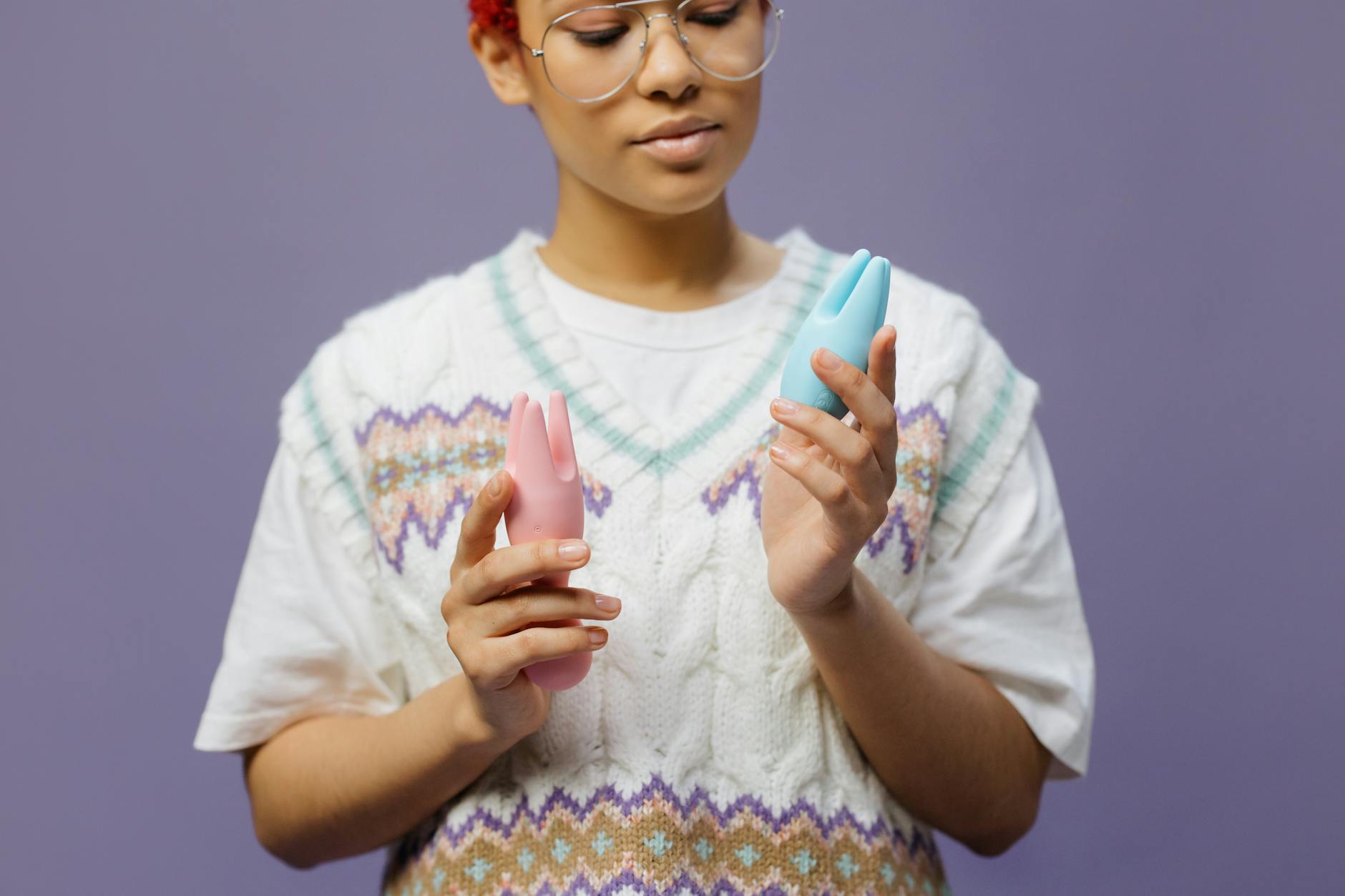
Lemon vibrators are engineered around air-suction technology, which delivers stimulation in a fundamentally different way than traditional vibration. Instead of shaking, suction creates rhythmic pressure and release that engages a larger nerve network at once. That means you need less total time and less direct contact to generate sensation.
Think of it like this: if your nerve receptors are running at 30% capacity due to medication, you need a stimulus that's efficient and broad. The Lem and other lemon clitoral vibrators are designed exactly for that. They create sensation through multiple mechanisms at once—pressure, suction, rhythm—rather than relying on vibration speed alone.
I've had dozens of clients on SSRIs report that after years of difficulty with standard vibrators, they could feel the Lem immediately. Not because something magical happened. But because the stimulation method matched their neurological state.
The sensation-building protocol
Here's what actually works if you're on antidepressants and using a clitoral vibrator:
Start with pattern and rhythm first, not intensity. The Lem has multiple suction patterns. Begin with the gentlest, most rhythmic pattern. Your goal isn't to force an orgasm. It's to wake up nerve pathways that have gone quiet. Spend 10-15 minutes just exploring sensation, not chasing orgasm.
Add time, not pressure. It's tempting to crank up intensity when nothing's happening. Resist that. Instead, extend your session. Many people report that sensation actually emerges around the 20-minute mark. Your nervous system needs time to register and amplify the signal.
Use lubricant intentionally. Water-based lube isn't just comfort. It reduces friction resistance, which means the suction mechanism works more efficiently. That efficiency translates to more sensation reaching your nerves with less effort.
Build arousal separately from the device. Read erotica for 10 minutes. Watch something that interests you. Let your mind do some of the work before the device arrives. Your brain is still the most powerful erogenous zone, even when medication has numbed everything else.
Pair it with a partner when possible. If you have a partner, having them present—touching you, talking to you, being involved—engages multiple sensory pathways at once. It's not about them "helping" the vibrator work. It's about layering sensation sources so your dampened nervous system has more to register.
The timeline you should actually expect
One session usually isn't enough. Most people see real change over 2-4 weeks of consistent use. That's not failure. That's your nervous system gradually recalibrating and remembering how to feel pleasure.
Some of this is neural plasticity. Some of it is your body adjusting to the type of stimulation. Some of it is genuine psychological relief—knowing that sensation isn't permanently gone can actually lower the anxiety that's preventing pleasure in the first place.
I had a client on sertraline (Zoloft) who said nothing was working. After three weeks with the Lem, using it twice weekly for 20-30 minute sessions, she reported feeling sensation return in ways she thought were gone forever. She wasn't being impatient. She just needed to understand that this wasn't a quick fix. It was a process.
When to talk to your doctor
If the numbness is severe or if you're considering stopping your antidepressant to restore sensation, do not skip this conversation. There are medications that are less likely to flatten sensation. Bupropion (Wellbutrin), for instance, works through a different mechanism and often has fewer sexual side effects.
Some people benefit from dose reduction or a medication switch. Others add medications that counteract the sexual side effects. Buspirone, for example, can sometimes restore arousal in people on SSRIs. None of this happens in a vacuum. Your doctor needs to know what's happening.
What you don't do is suffer silently and assume your sex life is over. It isn't. But you do need the full toolkit: your medication, a device that actually works around medication effects, time, and professional support.
The bigger picture
Lemon vibrators and other high-intensity clitoral devices aren't a replacement for mental health care. They're a tool that works alongside it. The point is this: taking care of your mental health and taking care of your sexual pleasure aren't opposing goals. They're the same goal approached from different angles.
When antidepressants numb sensation, it feels like you're choosing between your mind and your body. You're not. You're choosing your whole self. And that whole self deserves pleasure as much as it deserves stability.
FAQ: Antidepressants and Restored Sensation
Can switching antidepressants fix the numbness without other tools?
Sometimes, yes. If your doctor switches you to bupropion or another medication with fewer sexual side effects, sensation often returns naturally. But that takes weeks or months, and it requires a conversation with your prescriber. Lemon clitoral vibrators can restore pleasure while that process happens, or if switching isn't an option for your situation.
Do I need to use a lemon vibrator forever if I'm on antidepressants?
No. Many people use them intensively during the adjustment period, then find they can return to other forms of stimulation as their nervous system recalibrates. Some people keep using them because they genuinely prefer the sensation. The point is you have choices again.
Will the numbness get worse if I use a vibrator regularly?
No. The concern some people have is that more intense stimulation will lead to more numbness over time. That's not how SSRIs work. Your medication's effect on sensation is determined by the dose and type of drug, not by external stimulation. Regular use of lemon vibrators won't make the medication work differently. If anything, consistent stimulation helps your nervous system stay responsive.
What if I'm on multiple medications? Does that make sensation loss worse?
Typically yes. If you're on an SSRI plus another medication that affects sensation (some blood pressure meds, for instance), the compounded effect can be more pronounced. This is exactly why talking to your doctor matters. They can sometimes adjust the combination or add something to counteract the side effects.
Can I use a lemon vibrator while on antidepressants if I have a sensitive vulva?
Yes, carefully. Start with the gentlest suction setting. Air-suction technology is actually gentler on sensitive tissue than traditional vibration because it distributes pressure more evenly. Use plenty of lubricant. If pain appears, stop and consult your doctor. Medication can sometimes increase sensitivity to irritation even as it reduces sensation to pleasure, so check in with yourself.
How do I know if my numbness is medication-related or something else?
Timing is the biggest clue. If sensation loss appeared after you started or increased your antidepressant, medication is almost certainly the cause. If it developed gradually over years, it might be relationship dynamics, hormonal changes, or another medical issue. But in most cases, medication-related numbness has a clear before-and-after marker. Talk to your prescriber about the timeline.
References and sources
Kendrick, J. F., et al. "Antidepressant-induced sexual dysfunction: A systematic review and meta-analysis." Journal of Sexual Medicine, 2020.
Meston, C. M., & Frohlich, P. F. "The neurobiology of sexual function." Archives of General Psychiatry, 2000.
Ghose, K. "Sexual dysfunction in antidepressant users." CNS Drugs, 2017.
American Psychiatric Association. Diagnostic and Statistical Manual of Mental Disorders (5th ed.). Arlington, VA, 2013.
For more on managing pleasure during hormonal shifts, read how lemon clitoral vibrators improve sensation with hormonal changes. And if you're navigating perimenopause while on medication, how to use lemon vibrators during perimenopause offers additional context.