
Let's start with the thing nobody tells you
Perimenopause is not menopause. It's not "pre-menopause" either, like you're waiting in a hallway for the main event. It's an active hormonal transition that can last 4 to 10 years, and your body starts changing way earlier than you think. The catch: most people don't realize they're in perimenopause until they're a few years in and wondering why their lemon vibrator suddenly feels different than it did six months ago.
Here's what I see in my practice. Women arrive saying, "I used to come easily with my vibrator. Now I'm numb" or "The sensation is sharper, almost uncomfortable." They assume something's broken. Usually it's just perimenopause announcing itself through your pleasure.
What actually happens to your body in perimenopause
Unlike menopause, where estrogen drops steadily, perimenopause is chaotic. Your hormones fluctuate wildly. One week your estrogen is normal and sensation is sharp. The next week it plummets and everything feels muted. This cycling continues for years.
That fluctuation changes how clitoral vibrators feel. Estrogen affects nerve sensitivity, blood flow to the vulva, and how your brain processes stimulation. When estrogen dips, the clitoral tissue has less blood flow. The nerves become less responsive. A lemon clitoral vibrator that felt perfect at pattern 4 might feel weak one week and almost aggressive the next.
Tensorflow shifts too. The tissue around your clitoris gets slightly thinner as estrogen dwindles, so the same pressure that felt great at 35 might feel too intense at 45. And it might cycle. Some days you'll want softer suction. Other days you'll crave deeper stimulation.
The nervous system also shifts. In perimenopause, your central nervous system is more reactive to stress. This means pleasure takes longer to access because your brain is already in a slightly elevated state. You're managing more: work stress, family transitions, body changes. That mental load genuinely affects arousal.
How perimenopause sensation shifts (the timeline)
Most people experience these changes gradually:
Years 1-3 of perimenopause: Subtle changes in orgasm intensity or time to climax. You might need longer warm-up time with your lemon vibrator. The sensation might feel less electric, more diffuse. Some people report their orgasms feel shorter or less peaked.
Years 3-6: More noticeable shifts. A lemon sucker that worked before might feel slightly numb. You might need to increase intensity or experiment with different patterns. Lubrication can become inconsistent. Some days the lemon vibrator feels perfect, other days it doesn't hit the same.
Years 6-10 (late perimenopause into early menopause): The most dramatic changes tend to arrive here. Tissue thinning accelerates. Arousal takes longer. You might need to adjust your entire approach to pleasure with a lem vibrator, including finding the right pressure, pattern, and warm-up time.
Here's the useful part: knowing where you are in this timeline helps you stop blaming yourself and start adjusting.
The practical shifts to make with your lemon vibrator
Four adjustments that help most people navigate perimenopause with a lemon clitoral vibrator.
Start with longer warm-up. Before you even touch the vibrator, spend 10-15 minutes with mental arousal, touch, or whatever gets your blood moving. In perimenopause, genital blood flow doesn't respond as quickly to stimulation. You're priming the pump. Then introduce the lemon vibrator at a lower pattern than you'd normally use.
Experiment with patterns, not just intensity. The Lem vibrator has different patterns along with intensity levels. In perimenopause, pattern can matter more than how strong the vibration is. Some people find that switching to a gentler pulse pattern works better than the classic steady pattern. Try patterns 1-3 before jumping to your old favorite. Your nervous system might prefer rhythm over raw power right now.
Add lubricant, even if you didn't before. This is not about something being wrong with you. In perimenopause, the vaginal opening and clitoral hood can be drier, even if you're aroused. Water-based lube reduces friction and makes sensation more pleasant with a lemon sucker. You might find you need less stimulation time and more sensation enjoyment.
Track your cycle if you still have one. If you're still menstruating, pay attention to where you are in your cycle. Some weeks sensation will be sharper (usually ovulation window), other weeks more muted (late luteal phase). This is normal and cyclical. You're not losing sensation permanently, it's fluctuating. Knowing this means you can adjust without spiraling.
When perimenopause makes pleasure harder (and how to handle it)
Sometimes in perimenopause, pleasure doesn't just change, it dims. You might feel numb, take forever to orgasm, or feel less interested entirely. This is usually one of three things.
First: it's hormonal. Estrogen and testosterone both drop (yes, people with vulvas make testosterone and it matters for desire). If numbness is paired with other perimenopause symptoms like hot flushes, irregular periods, or sleep disruption, it's likely hormonal. Talk to a gynecologist about topical estrogen or testosterone options. These are gentle, localized treatments that can restore sensation in weeks.
Second: it's stress. Perimenopause often overlaps with life stress. Career pressure, aging parents, relationship renegotiation, identity shifts. Your central nervous system is working overtime. You physically cannot feel pleasure as easily because your brain is in protection mode. That's not broken. That's your nervous system doing its job. The fix is calming your nervous system first, then trying the lemon vibrator. Therapy, movement, sleep, connection all help.
Third: it's deconditioning. If you haven't explored your pleasure for a while, your body forgets how quickly it can respond. This is especially true in perimenopause when society tells you your sexual prime is over. It's not. It's just different. You might need to reacquaint yourself with your own arousal. Start slow with the lemon clitoral vibrator, explore new patterns, try it at different times of day. Pleasure is still available, it just requires a different approach than it did at 25.
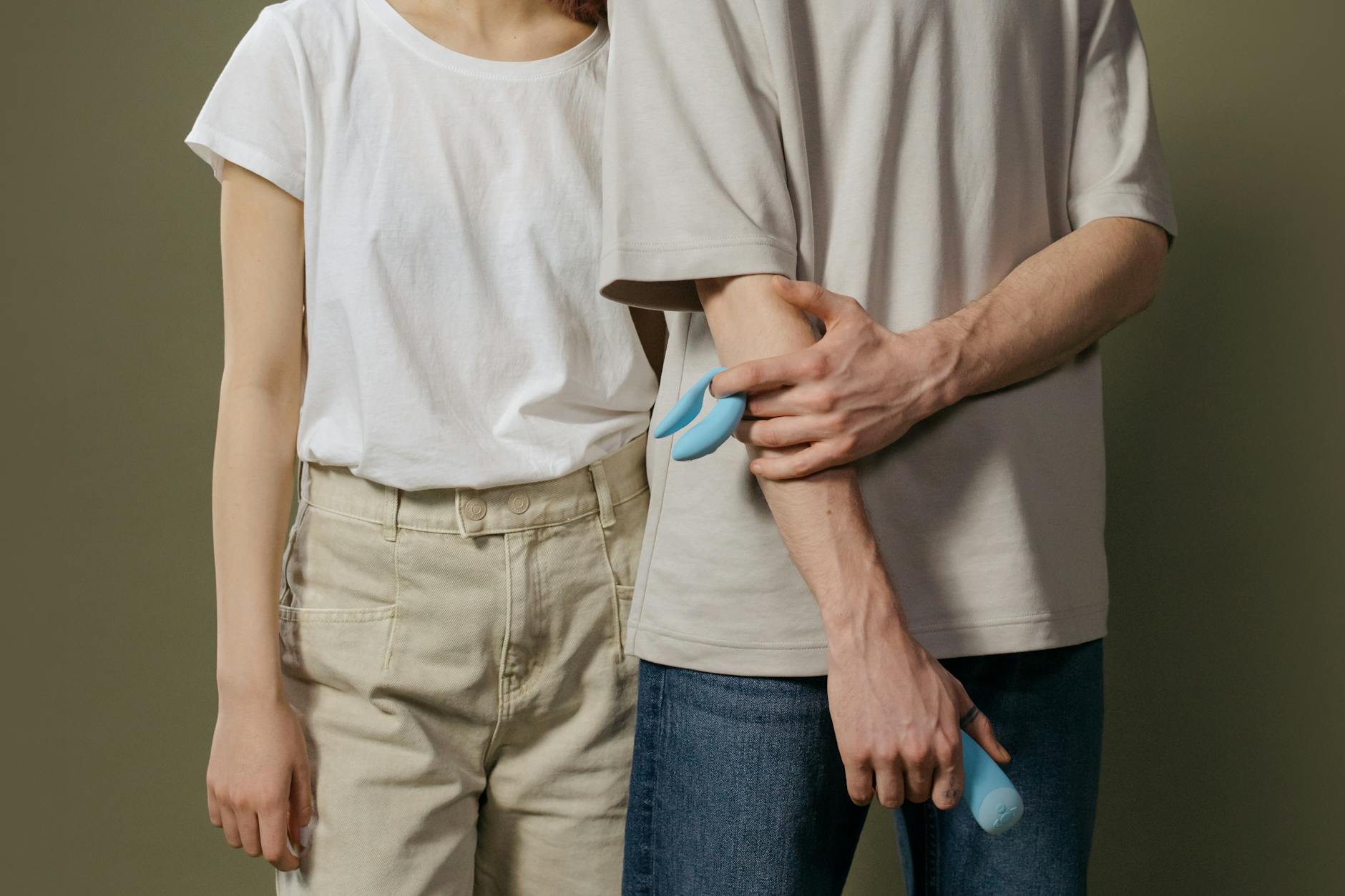
Photo by cottonbro studio on Pexels
If you have a partner, this is worth a conversation
Perimenopause is not a solo experience, especially if you're partnered. Changes in sensation, desire, or response can feel like rejection if you're not naming what's actually happening. I recommend being explicit: "My body is shifting. My lemon vibrator works differently now. I need you to know this isn't about you."
Then collaborate. Maybe you use the lemon sucker more in your partnered sex because it's more reliable than your own arousal right now. Maybe you need more foreplay together. Maybe you schedule sex during the week when your energy is higher, not just weekends. These are not compromises, they're adjustments that honor what's real.
The best relationships I see navigate this by treating perimenopause as new information, not a problem. Your partner might need to learn your body again. You might need to teach them what works now. That's actually intimate.
Alone time is where perimenopause gets interesting
Here's what I want you to know about solo pleasure and perimenopause. This is often where you discover your best self.
Without a partner's timeline, you can take as long as you need. You can be curious instead of goal-focused. You can try the lemon vibrator at different intensities, different times of day, in different contexts. Some people find that perimenopause solo pleasure is slower, yes, but deeper. More meditative. Your body stops performing for anyone and starts actually telling you what it needs.
Many of my clients report that their most satisfying experiences with a lemon clitoral vibrator came in perimenopause or after, because they'd finally stopped rushing. How to use lemon vibrators for better orgasms alone covers this in more depth if you want specific strategies.
When to see someone (and what to ask)
If sensation changes are paired with pain, see a gynecologist soon. Genitourinary syndrome of menopause (GSM), while more common in full menopause, can begin in late perimenopause. It's treatable and you don't have to live with it.
If desire has completely evaporated and nothing is bringing it back, talk to a doctor about hormone levels. Testosterone therapy, while prescribed conservatively in some places, can be life-changing in perimenopause. You don't have to wait for full menopause to explore it.
If you're struggling emotionally with the changes, therapy helps. A lot. Perimenopause carries grief alongside the physical shifts. Your body is changing. Your time feels differently allocated. Your sexuality is shifting. That's worth processing with someone trained to help.
The real truth about perimenopause and pleasure
Perimenopause is not the beginning of the end. It's a renegotiation. Your body is asking you to pay attention, to adjust, to stay curious instead of assuming you know how pleasure works anymore. Your lemon vibrator isn't broken. You're just in a different season.
Most people I work with find that once they stop fighting the changes and start working with them, pleasure gets richer. Not easier, maybe. Richer. More intentional. More truly yours. That's worth showing up for.