Here's the thing about friction and sensitive skin
Your skin down there is roughly five times thinner than the skin on your forearm. It's designed to be protective but responsive, not durable. Most traditional vibrators work by oscillating back and forth against tissue, which creates friction. For sensitive skin, that friction adds up fast.
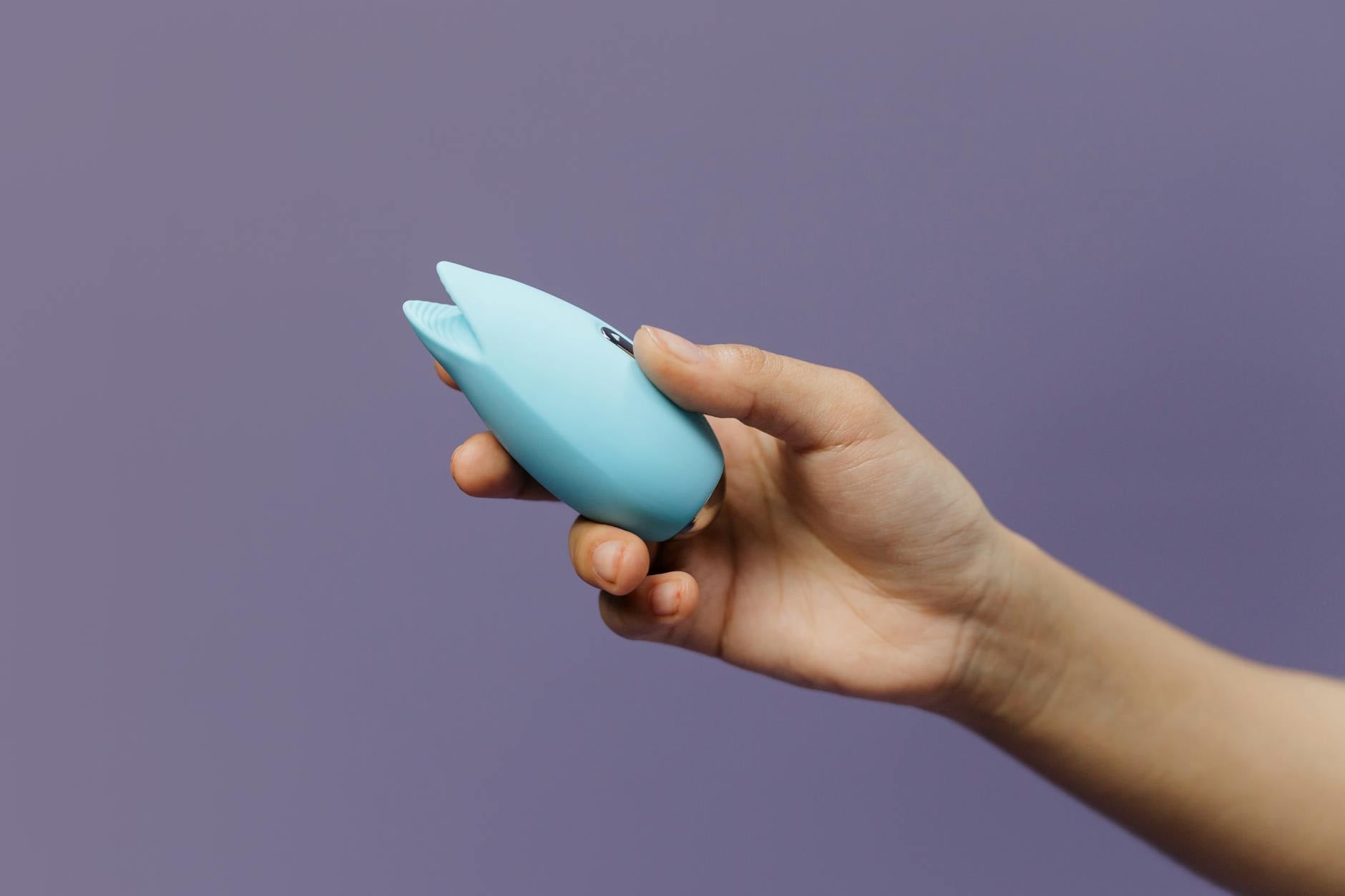
Lemon clitoral vibrators—especially air-suction models like the Lem—work completely differently. Instead of vibration, they use gentle pulsing suction to stimulate nerve endings. That distinction matters a lot if you've ever experienced redness, irritation, or that raw feeling after using a conventional vibrator.
The friction problem with traditional vibrators
When you use a standard vibrating toy, here's what happens at the tissue level: thousands of tiny back-and-forth movements create heat and friction against delicate skin. If your skin is already sensitized (from hormonal changes, previous irritation, or just naturally reactive skin), that friction compounds the problem.
Think of it like this. Rubbing your arm with your palm for five minutes feels neutral. Rubbing the same spot with sandpaper for one minute causes visible irritation. Vibration isn't sandpaper, but the principle applies. Over time, repetitive friction damages the skin barrier.
Sensitive skin gets red, swollen, or even develops micro-tears you can't see. Then the next time you use the toy, irritation starts earlier and escalates faster. It becomes a cycle.
Why air-suction changes the equation
Air-suction lemon vibrators work through a completely different mechanism. A small opening creates rhythmic pulses of suction against the clitoris, stimulating thousands of nerve endings without any back-and-forth rubbing motion.
There's no friction.
There's no heat buildup from repetitive surface contact. There's just rhythmic pressure and release, which your nervous system reads as stimulation. The tissue experience is radically gentler.
This is why people with diagnosed vulvovaginal conditions, post-surgical sensitivity, or naturally reactive skin often report that air-suction clitoral vibrators are the first toys they can use comfortably for extended time.
The material matters just as much
Even if you switch to a lemon sucker design, material quality determines how your skin responds. Medical-grade silicone (which Hello Nancy toys use) is non-porous, hypoallergenic, and doesn't degrade or off-gas irritants into sensitive tissue.
Cheaper vibrators sometimes use phthalates or lower-grade silicone that leeches chemicals over time. On sensitive skin, that accelerates irritation, redness, and allergic responses.
When you pair air-suction design with medical-grade silicone, you're removing two major irritation triggers at once. The toy becomes something your skin can tolerate—and even enjoy—without paying a price the next day.
What sensitive skin actually needs
If your skin reacts easily, here are the real requirements.
No sustained friction. This rules out most traditional vibrators. Air-suction designs sidestep this entirely.
Easy cleaning. Bacteria buildup on toy surfaces causes irritation. Smooth, non-porous silicone is easier to clean thoroughly than textured or porous materials. Let it dry completely between uses.
Hypoallergenic material. Medical-grade silicone beats TPE, jelly rubber, or mystery plastics. If you don't know what the toy is made of, assume it's not ideal for sensitive skin.
Adjustable intensity. Sensitive skin doesn't need a jackhammer. It needs control. The Lem has multiple suction patterns starting from gentle, which lets you find the right pressure instead of powering through discomfort.
Warm-up time. Sensitive tissue needs blood flow and arousal to prepare. Jumping straight to intensity 5 on a vibrator (air-suction or traditional) guarantees irritation. Start low and slow, even if you think you don't need to.
Common myths about sensitive skin and toys
Myth: If a toy irritates your skin, you're using it wrong.
Reality: Cheap toys or high-friction designs will irritate sensitive skin no matter your technique. The tool matters.
Myth: Vibration intensity causes sensitivity.
Reality: Friction, heat, and material quality cause sensitivity. Intensity is secondary. You can use a gentle, low-vibration toy that still irritates because of friction or material.
Myth: Sensitive skin means you shouldn't use toys at all.
Reality: Sensitive skin means you need the right tool. Lemon clitoral vibrators designed for air-suction are often the first tools sensitive skin tolerates well.
Myth: You need numbing lube to handle sensitivity.
Reality: Numbing lube masks the problem and can prevent you from noticing actual tissue damage. Fix the root cause (friction, material, intensity) instead.
The water-based lube factor
Your lube choice matters alongside toy design. Water-based lubricants are safest with all silicone toys and don't trap heat the way some silicone lubes do.
For sensitive skin, I recommend reapplying lube halfway through use. As arousal increases, your body's natural lubrication may shift, and adding water-based lube prevents friction from creeping in. It's a simple intervention that dramatically reduces irritation.
Avoid anything with glycerin, parabens, or numbing agents if your skin is reactive. Boring, plain water-based lube is often the best choice.
When to see a dermatologist
If you've been using toys designed for sensitive skin (air-suction design, medical-grade silicone, gentle technique) and irritation persists, talk to a dermatologist. Sometimes sensitivity signals a condition like lichen sclerosus, contact dermatitis, or a hormonal imbalance that needs actual treatment.
A rash, persistent redness, pain, or texture changes warrant professional evaluation. Toys don't cause these conditions, but they can reveal that something else is going on. Getting checked is worth it.
The bigger picture on pleasure and skin health
Your pleasure matters, and it shouldn't come at the cost of discomfort or damage. Switching to a lemon vibrator designed with air-suction removes the friction equation entirely. Pairing that with medical-grade silicone, water-based lube, and gentle intensity control gives sensitive skin a real fighting chance.
The Lem and other Hello Nancy clitoral vibrators were engineered specifically around this insight. Friction doesn't have to be part of the experience. Pleasure—full, sustained, guilt-free pleasure—is possible without paying for it in irritation.
If you've avoided toys because your skin reacted poorly before, try one designed for you. The difference is often immediate.
FAQ
Is air-suction safer than vibration for sensitive skin?
Yes. Air-suction eliminates the friction component that typically irritates sensitive skin. Traditional vibration creates thousands of back-and-forth micro-movements that generate heat and surface wear. Air-suction uses gentle pressure instead, making it gentler for delicate tissue. That said, material quality and intensity control matter too—a low-quality vibrator, even at low intensity, can still irritate if the material is reactive.
Can I use a regular vibrator on sensitive skin if I use lube?
Lube helps, but it's not a complete solution. Lube reduces friction but doesn't eliminate it. Over extended use, friction still builds heat and can cause irritation on truly sensitive skin. You can reduce the problem with generous lubrication and lower intensity, but air-suction designs are fundamentally gentler because they don't rely on friction at all.
What's the difference between sensitive skin and an allergic reaction to a toy?
Sensitive skin shows redness, mild swelling, or a raw feeling that usually fades within hours or a day. An allergic reaction includes itching, hives, persistent swelling, or a rash that lasts longer and may spread. If you suspect an allergy, stop using the toy immediately and see a dermatologist. Material allergies are real—most commonly to latex, certain dyes, or phthalates in cheap plastics.
Can hormonal changes make my skin more sensitive to toys?
Absolutely. Estrogen drops, progesterone fluctuates, and tissue thins and dries depending on cycle phase or menopause status. During low-estrogen phases, the same toy that felt fine before may now irritate. This isn't permanent—it's usually cyclical. Switching to a gentler design like an air-suction lemon vibrator or adjusting lube and intensity helps you navigate those shifts without avoiding pleasure altogether.
Should I use numbing lube if a toy irritates my skin?
No. Numbing lube masks irritation rather than solving it, which means you might damage tissue without realizing it. Instead, identify the real problem: Is the toy friction-heavy? Is the material reactive? Is the intensity too high? Is the lube inadequate? Fix the root cause. If irritation still happens with a well-designed, low-friction toy, see a dermatologist—something else may be at play.
How do I know if a vibrator is actually made from medical-grade silicone?
Ask the manufacturer directly. Reputable brands like Hello Nancy publicly specify their materials. Medical-grade silicone is non-porous, platinum-cured, and hypoallergenic. Cheaper toys often claim "silicone" but use lower grades or mixed materials. If the brand won't tell you what it's made of, that's a red flag. When in doubt, choose brands that are transparent about sourcing and material standards.
The takeaway
Sensitive skin doesn't mean you have to choose between pleasure and comfort. Lemon clitoral vibrators designed with air-suction technology eliminate friction, the primary irritant for reactive skin. Paired with medical-grade silicone, water-based lube, and thoughtful intensity control, air-suction toys offer a genuinely different experience.
If you've had bad reactions to vibrators in the past, the problem likely wasn't you. It was the tool. The right tool changes everything. Your skin deserves care, and your pleasure deserves support. That's not negotiable.