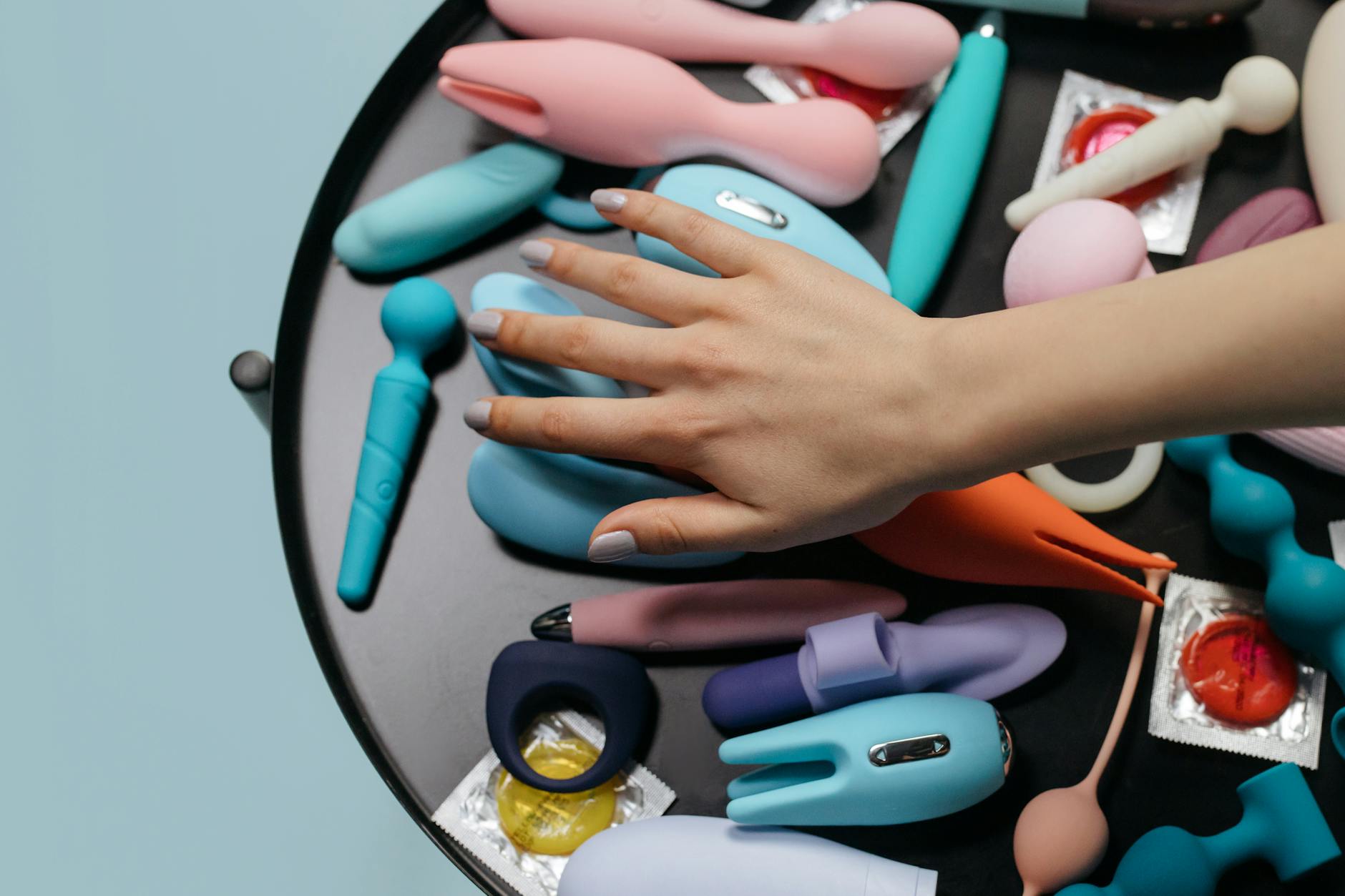
Let's start with the real part
Menopause changes how your body responds to lemon vibrators and other clitoral toys. That doesn't mean pleasure ends. It means your nervous system is doing something different, and understanding what can actually make the experience richer than it was before.
Here's what I've seen clinically: women who switch to lemon sexual toys or suction-style clitoral vibrators after menopause often report their most intense orgasms of their lives. Not because their bodies suddenly got better, but because they finally stopped fighting against what their bodies actually need.
How estrogen affects tissue and sensation
When estrogen drops, the lining of your vulva gets thinner. That's not a flaw, it's a fact. Thinner tissue has a higher concentration of nerve endings in a smaller surface area, which sounds like it should feel more sensitive. And sometimes it does. But it also becomes more reactive to pressure, friction, and direct stimulation.
This is why many women find that the gentle suction pattern of lemon clitoral vibrators feels different post-menopause. The sensation isn't coming from friction against delicate tissue. It's coming from a rhythmic pulling that stimulates the thousands of nerves under the skin without requiring the same mechanical pressure.
Your vulva hasn't lost sensation. The sensation pathways have just narrowed, which means intensity moves faster and sometimes feels sharper. That's information your brain can use.
Why lemon vibrators often feel better after 50
Three specific reasons explain why so many clients switch to suction-style toys like the Lem after menopause, even if they never tried one before.
1. Arousal tempo shifts. Before menopause, blood flow to the clitoris could happen in seconds. After, it takes longer. But here's the part nobody tells you: the intensity, when it arrives, is often more concentrated. Lemon sexual toys work well during this longer build because the suction pattern feels less jarring when arousal is still warming up.
2. Lubrication changes, but so does what helps. Yes, natural lubrication decreases. But the answer isn't just "use more lube," though that helps. What helps more is choosing stimulation that doesn't require heavy friction. Suction, by design, creates its own glide. The tissue isn't grinding. It's being gently pulled and released in rhythm.
3. Pelvic floor tension matters more. Estrogen supports pelvic floor elasticity. Without it, the muscles tighten. This tightness can make direct vibration feel tense or even painful. Suction distributes sensation differently across the tissue, and many women find it lets their pelvic floor relax more easily.
This is why "best lemon vibrator for different body types" often includes post-menopausal bodies as their own category. Not because you're broken. Because the fit is genuinely different.
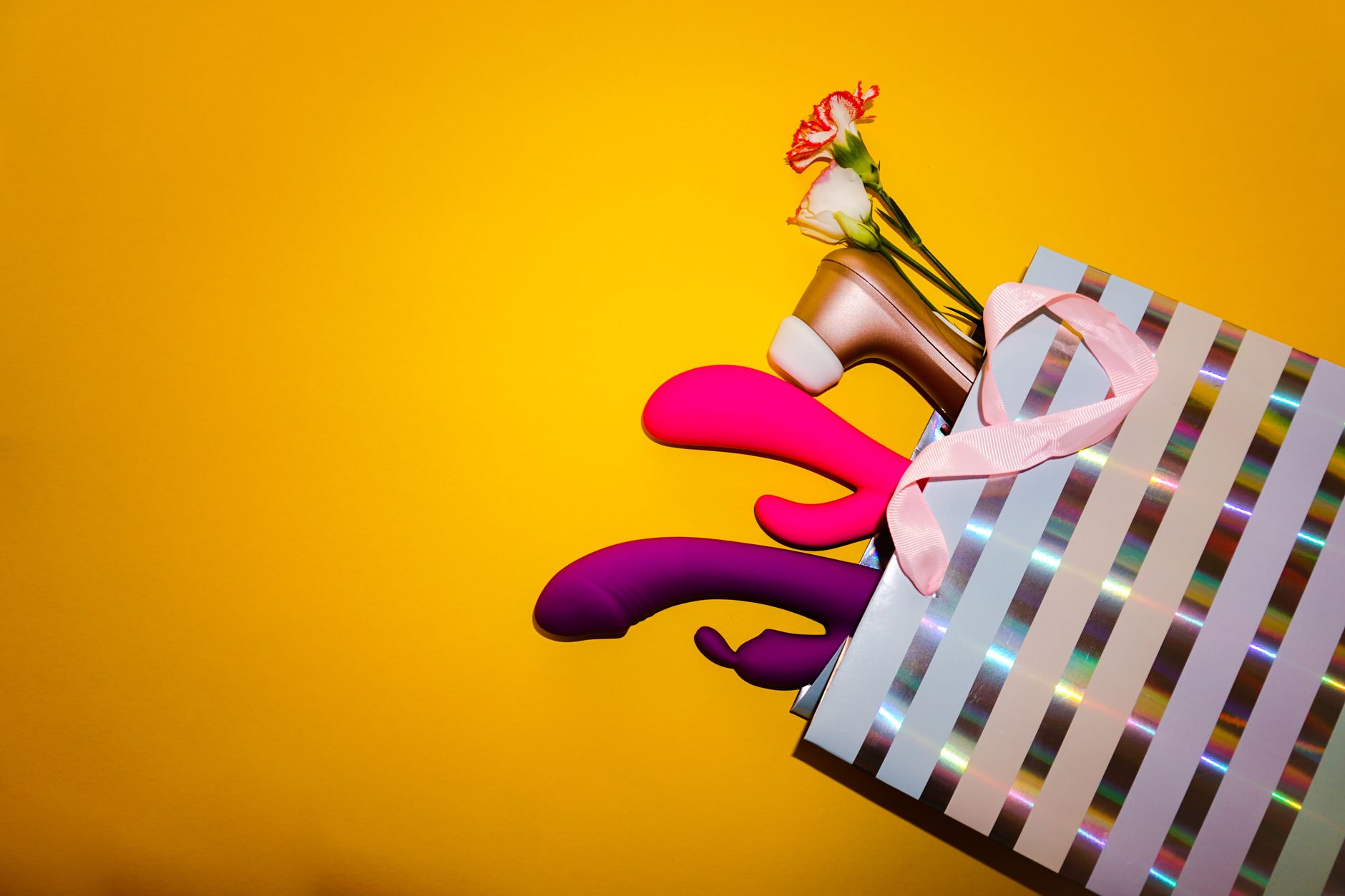
Photo by FounderTips . on Pexels
The mental shifts that matter just as much
Menopause isn't just hormones. It's a life chapter closing. Kids often become independent. Career expectations sometimes soften. The voice in your head that's been performing for everyone else for thirty years finally gets a little quieter.
When that noise fades, pleasure often becomes louder.
I've worked with women who said they'd never experienced consistent orgasm until their late 50s. Not because their bodies suddenly worked better. Because their minds finally believed they deserved the time. Menopause creates space for that shift in a way nothing else does.
The lemon clitoral vibrators work better in this context too, because they're efficient. You're not spending forty minutes chasing sensation. You're spending ten minutes getting exactly what you need. That permission, that clarity, that directness. It compounds the physical changes into something genuinely different.
What actually stays the same
Your clitoris still has eight thousand nerve endings. Your brain still lights up the same way during orgasm. Your capacity for pleasure hasn't been deleted. It's been reorganized.
If you could always have orgasms before menopause, you can have them after. If orgasm was harder before, it might be harder now too, but that's not a menopause thing, that's an individual nervous system thing. Menopause doesn't flip a switch that erases your baseline.
What it does is narrow the margin for error. Things that worked when you had more natural lubrication and faster blood flow might need adjustment. That adjustment is usually simple: lube, time, a different pattern, a different toy. It's not starting over. It's recalibrating.
How to actually use lemon vibrators post-menopause
If you're trying one for the first time after menopause, or if you used one before and it feels strange now, here's what changes.
Lubrication first. Water-based lube, every time. Apply it generously and reapply. Menopause didn't break your body, but the tissue is drier, and lube is not optional anymore. It's infrastructure.
Warm-up longer. Don't jump to sensation at intensity 3. Spend five minutes at intensity 1, letting blood flow build. Your arousal system still works, it just runs on a different schedule.
Try different patterns. The Lem has multiple modes. Menopause tissue sometimes responds better to rhythmic pulse over constant suction. Other bodies prefer the opposite. You're not broken if the pattern that worked at 35 doesn't work at 55. You're just finding the match that's true now.
Check positioning. Tighter pelvic floor muscles mean angle matters more. Lying down usually feels easier than sitting up because it lets gravity help the pelvic floor relax. If you've always used a toy in one position, menopause might be the moment to try another.
None of this is about your body failing. It's about meeting it where it is.
When to talk to someone
If sensation has disappeared completely and it's not responding to these adjustments after two or three weeks, see a menopause-informed gynaecologist. Sometimes topical estrogen cream helps. Sometimes low-dose systemic HRT makes the difference. Sometimes it's a pelvic floor thing that a physical therapist can address in six sessions.
If lemon vibrators or any clitoral toy suddenly cause pain during or after use, that's information too. Pain during sex is treatable. Genitourinary syndrome of menopause is real and common and often resolves quickly with the right support.
The worst outcome is staying silent and assuming it's permanent. It usually isn't.
The plot twist
Honestly, menopause gets framed as the end of something. As a woman, as a sexual being, as someone interesting. The clinical data says otherwise. Many women describe their 50s and 60s as the most satisfying sexual decade of their lives. Not despite menopause. Because of what it strips away and what it opens up.
Your body knows this already. It's just speaking a different language now. Lemon vibrators, if you choose them, are one way of learning to listen.
People also ask
Do lemon vibrators work if you have no natural lubrication after menopause?
Yes, with one requirement: you need to add external lubrication. The suction mechanism of lemon clitoral vibrators doesn't require your body to produce fluid the way friction-based toys do. But the tissue still benefits from hydration and glide. Use water-based lube generously, and you'll get the full sensation without the dryness that makes direct vibration uncomfortable.
Can you still orgasm with a lemon vibrator after menopause?
Most women do. The orgasm reflex doesn't disappear after menopause, though it might take longer to arrive and feel slightly different when it does. Some describe post-menopausal orgasms as more localized than the full-body waves they felt before. Others say they're more intense. It's individual, but the capacity is absolutely there.
How often do lemon sexual toys need to be replaced after menopause?
Not more often than before. Silicone breaks down at the same rate whether you're pre or post-menopausal. What changes is sensation, not durability. If you used a toy for three years before menopause, it will last three years after. The material doesn't age differently.
Is it normal for arousal to feel slower with lemon clitoral vibrators after menopause?
Completely normal. Your body hasn't gotten slower at pleasure, it's gotten slower at the early stages of arousal. This is why longer warm-up time and lower starting intensity matter so much. You're not doing something wrong if the old routine doesn't work anymore. You're adjusting to new information about your body.
Should you use higher intensity settings on a lem vibrator after menopause?
Not necessarily. Higher intensity isn't better, it's just different. Some women find they need lower settings post-menopause because the thinner tissue is more sensitive. Others find they prefer medium settings and skip the highest modes entirely. Start low, pay attention, and let sensation guide you rather than assuming you need "more" of anything.
Can menopause make you lose interest in lemon vibrators and other toys?
Menopause might lower your desire, though that's usually hormonal or relational, not mechanical. But if you're still interested in pleasure and your body's just responding differently, the toy hasn't changed. What's changed is how your nervous system interfaces with it. Menopause isn't a switch that turns off your interest. It sometimes dims it, or it redirects it. Understanding the difference is where therapy or coaching gets valuable.
What comes next
Menopause isn't the end of pleasure. It's a door into a different kind. If you want to explore lemon vibrators for the first time, or if you're returning to one after years away, you're not starting over. You're getting curious about a tool that fits your current body in ways it might not have before.
That curiosity is yours to follow. If you have questions about what might work for your body right now, or if you want to talk through what's shifted, reach out to Hello Nancy. I'm here.
References
Plakogiannis, Georgios et al. "Genitourinary Syndrome of Menopause: International Society for the Study of Women's Sexual Health Review." Menopause, 2021.
Dobbs, Rebecca. "Menopause and Sexual Function in Women." Current Sexual Health Reports, 2019.
Lindau, Stacy T., et al. "A Study of Sexuality and Health among Older Adults in the United States." New England Journal of Medicine, 2007.