Let's be real about libido coming back
Stress doesn't just kill your desire for a week or two. Long-term stress—the kind that lives in your nervous system for months or years—essentially turns off the switch that says "yes, I want this." And then one day, without warning, something shifts. Your body feels calmer. Your mind stops spiraling. And suddenly you notice something you haven't felt in forever. Interest. Curiosity. Want.
It's thrilling and also kind of terrifying. Because your body doesn't remember exactly how to do this anymore.
What happens physiologically when stress crushes desire
This isn't about willpower or being broken. Chronic stress floods your system with cortisol, which tells your body "we are not safe, we are not reproducing." Your vaginal tissues become less responsive. Your nervous system stays locked in fight-or-flight mode, which is the opposite of the calm, parasympathetic activation you need for arousal. Sensation dulls. Lubrication takes longer. Orgasms feel further away.
When that stress finally lifts—whether through therapy, time, medication, a job change, or just your nervous system finally believing you're safe—your body doesn't instantly reboot. It wakes up slowly. That return of desire is real. But it's also fragile at first, and if you push too hard or expect too much, you can accidentally trigger that stress response all over again.
Why lemon vibrators work particularly well in this moment
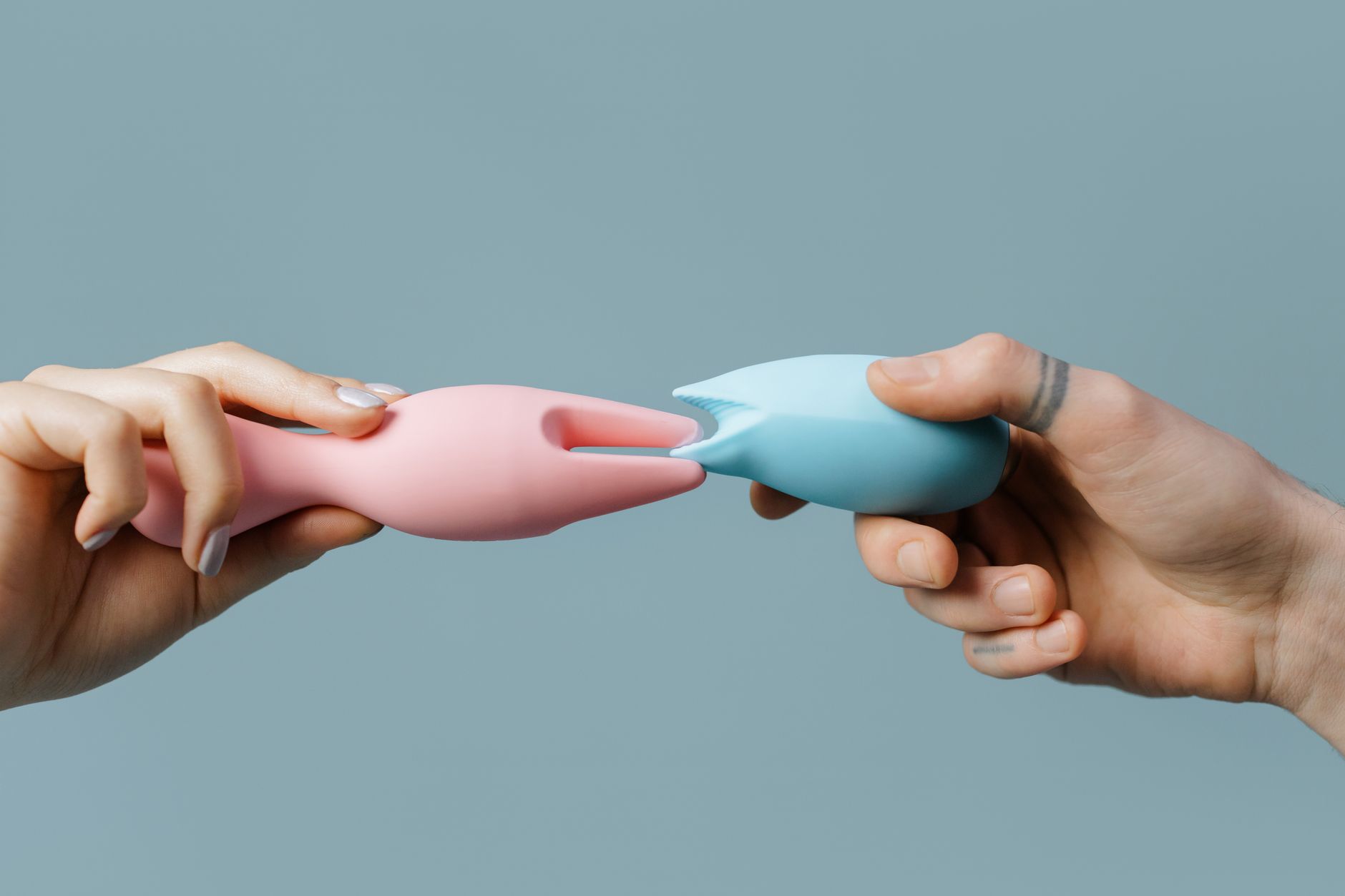
Lemon clitoral vibrators like the Lem use suction and pulse patterns that don't require you to generate arousal from scratch. Instead, they create the conditions for arousal by stimulating the clitoral complex in a way that feels less demanding than other toys or partner touch.
Here's the practical advantage: you don't have to be wet or ready. You don't have to have your full arousal machinery running on day one. A lemon sucker works with whatever your body is offering right now. And often that permission—"I don't have to be perfect at this"—is what finally lets your nervous system relax enough to feel something.
That's not a small thing.
Starting slowly when everything feels new again
Your first impulse might be to dive back in, to prove to yourself that you're "fixed" and your libido is truly back. Resist that. The recovery phase works better as a slow unpacking.
Begin with the lowest setting on your lemon vibrator. Not because you're fragile, but because your tissues and nerves need time to remember what pleasure feels like. Start at pattern one or two. Spend 10 to 15 minutes just exploring sensation without any goal of orgasm. This is retraining your nervous system to recognize "safety plus pleasure" as a normal state.
Many people find that when they give themselves permission to have a session with zero expectations, that's when an orgasm actually happens. Weird, but true.
Building a ritual that keeps you grounded
Long-term stress often comes with hypervigilance. Your body is used to scanning for threats. When you bring a lemon vibrator into that space, you're asking your nervous system to switch into a completely different mode.
Ritual helps. Set a time when you know you won't be interrupted. Lock the door. Maybe light a candle or put on music that feels calming, not sexy—nobody needs more pressure. Notice your breath. Notice where your shoulders are. If you catch yourself planning tomorrow's to-do list or replaying a stressful conversation, that's not failure. That's just the old stress response still running. Notice it, say "not now," and bring your attention back to sensation.
This isn't woo. This is literally how you teach your nervous system that this space is different from the rest of your life.
What to expect from sensation and response
Your body might feel unfamiliar. You might feel more sensation in some areas than others. You might have an orgasm that's quieter than you remember, or feel less intense, or come faster than you expected. All of that is normal when you're rebooting.
Some people report that their first few orgasms after long stress feel almost distant, like they're watching them happen rather than inside them. That usually resolves within a few weeks of regular practice. Your nervous system is just still learning to trust that pleasure is actually safe now.
If you feel numbness or nothing, that's not a sign to push harder. It's a sign to slow down further. Sometimes the tissue needs a few more weeks to come back online. Sometimes a different pattern on your lemon vibrator helps. Sometimes you need to work with a therapist on the stress itself.
Managing the emotional piece
When desire comes back after being gone for a long time, the relief can be intense. And so can the grief for the time it was missing. You might also feel some anger at yourself for "letting it happen" or frustration that it took so long to recover.
That emotional layer is just as important as the physical one. If you have a partner, it can help to separate the conversations. "My body is waking up" is a different conversation than "I'm still upset about what we went through." A lemon clitoral vibrator helps with the first one. A relationship conversation helps with the second one.
If you're solo, self-compassion matters here too. You didn't choose to lose your libido to stress. And it's not coming back because you're doing something right. It's coming back because your system finally has the resources to feel it again. That's worth honoring.
When to expand from here
After a few weeks of regular sessions with your lemon vibrator at low settings, you might notice you want more intensity or variation. That's your nervous system saying it's ready. Then you can explore higher patterns or longer sessions. You might also find that you want to involve a partner or try a different toy alongside your Lem.
There's no rush. You have all the time you need. The point isn't to get "back to normal." The point is to rebuild your relationship with your own pleasure from wherever you are right now. And that often looks different—and sometimes better—than whatever came before the stress.
The long view
Libido coming back is evidence that healing is real. Your body is telling you the nervous system downshift worked. That relief you're starting to feel is not temporary. It's your baseline finding its way back. Some people say their pleasure is stronger after long stress—they appreciate it more, they're less rushed, they know what they almost lost.
A lemon vibrator is just a tool. But it's a really good tool for this specific moment in recovery. It meets you where you are without demanding anything from you.
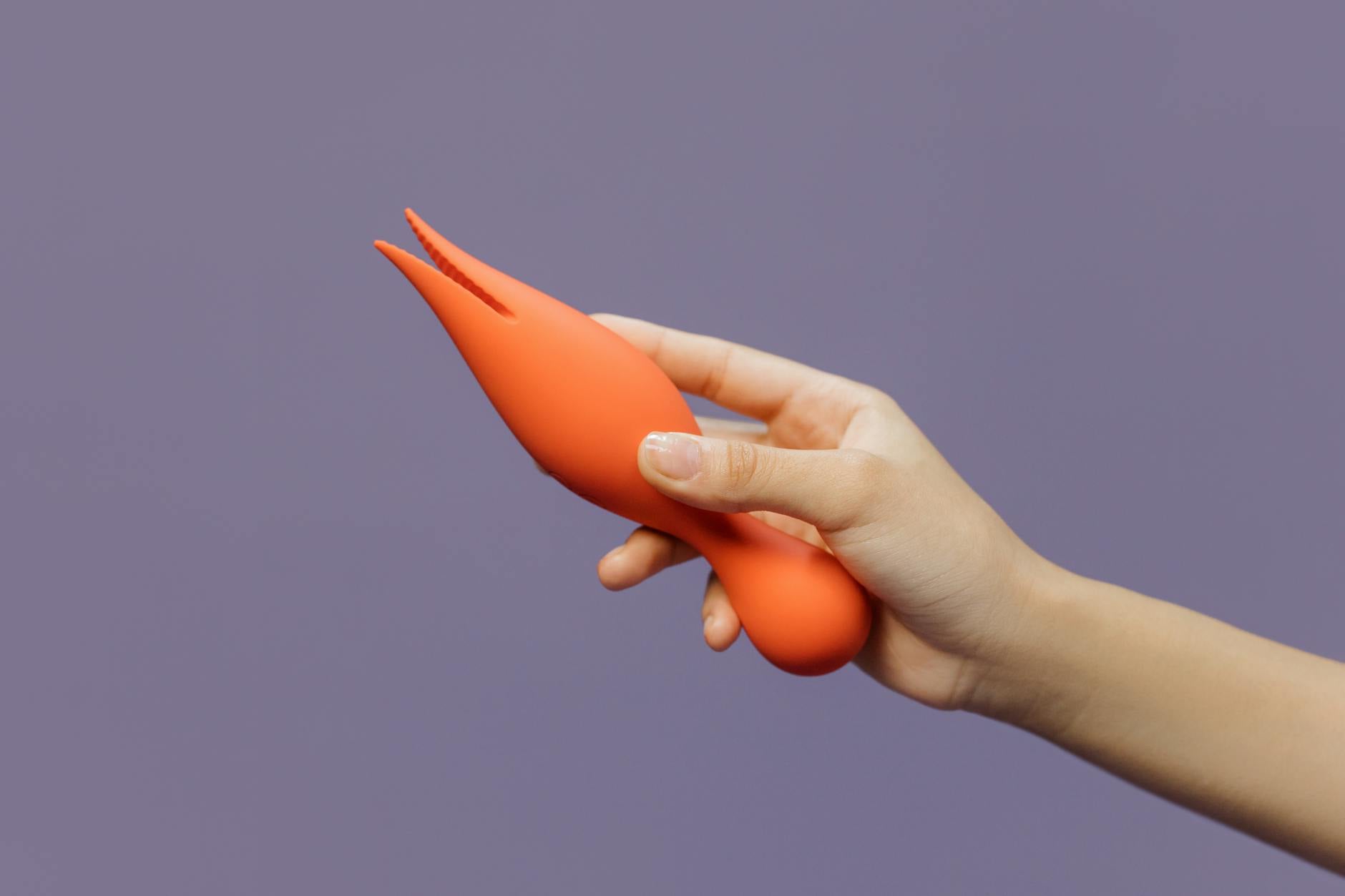
Photo by cottonbro studio on Pexels
FAQ: Your questions about libido recovery and lemon vibrators
How long does it usually take for libido to come back after chronic stress?
It varies. For some people, interest returns within weeks of the stress lifting. For others, it takes several months. The timeline depends on how long the stress lasted, what caused it, and how your individual nervous system processes recovery. One thing to know: libido often comes back in waves rather than all at once. You might feel interested for a few days, then neutral for a week, then interested again. That's normal and doesn't mean it's disappearing again.
Is it okay to use a lemon vibrator if I still feel a bit numb down there?
Yes, actually. Numbness during recovery is super common because the tissues haven't fully reawakened. A lemon clitoral vibrator can help that reawakening because it creates stimulation without requiring arousal to already be present. Start with very low patterns and think of it as gentle retraining rather than trying to force sensation. If numbness persists for more than a few months, check in with a doctor to rule out anything medical.
What if I feel anxious when I try to use a lemon vibrator after stress?
That's a signal that your nervous system still needs more time or a different approach. You might benefit from pairing vibrator sessions with grounding techniques—focusing on your breath, naming five things you can see, feeling your feet on the floor. You could also work with a therapist on the specific anxiety. And remember, a vibrator is optional. Some people rebuild desire purely through relaxation and partner intimacy before introducing a toy. Go at your own pace.
Can my partner use a lemon vibrator on me during recovery?
Absolutely, if you want them to. Just make sure you've talked about it first and that you feel totally safe. Some people find partner-guided vibrator use helps them rebuild trust and intimacy. Others prefer to explore alone first and bring a partner in later. There's no right answer. What matters is that you feel in control and safe throughout.
Is it normal to have weaker orgasms after stress?
Very normal. Your orgasms might feel softer, shorter, or less intense at first. That's not permanent. As your nervous system fully relaxes and your tissues reawaken, intensity usually returns. Some people also find that their orgasm pattern changes slightly—maybe a different type of sensation or a different rhythm. You're learning your body again, and that's okay.
How do I know if my stress-related libido loss is something I need professional help for?
Consider talking to a therapist or doctor if: desire hasn't returned after 6 months of the stress being resolved; you feel numb or disconnected from pleasure in other areas of life too; anxiety or intrusive thoughts come up when you try to explore; or you feel depressed about the change. These are signs that more support could help. A lemon vibrator is a great tool, but it's not a substitute for therapy if the underlying stress is still affecting you.
Your pleasure matters now, just like it always did
When stress steals your libido, it can feel like you've lost something essential about yourself. The good news: you haven't lost it. It was just dormant. And it comes back. When it does, be gentle with yourself. Your body has been through something. It deserves patience and curiosity, not pressure. A lemon vibrator can be part of that gentle reawakening. Start low, stay curious, and trust that your desire knows how to find its way back home.