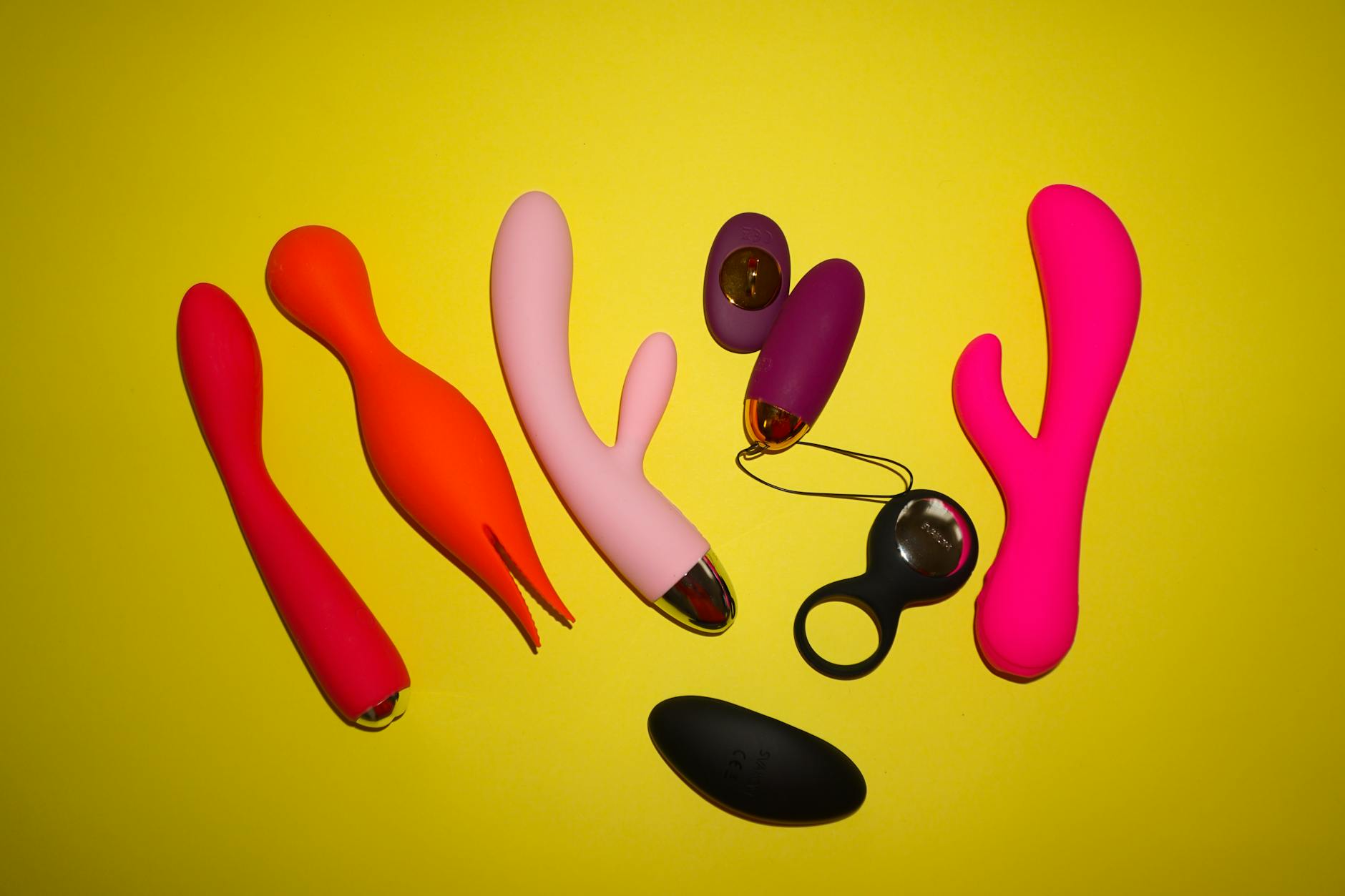
Here's the thing about difficulty reaching orgasm
It's not a personal failing. It's not about being broken or "too much in your head." Most of the time, it's a mismatch between the type of stimulation your nervous system actually craves and what you're currently using. That gap is real, it's common, and it's completely fixable.
I've worked with clients for decades who struggled with climax, tried every conventional vibrator out there, and then discovered that clitoral suction toys like lemon vibrators changed everything. Not because they're magic, but because they work on a completely different principle than the vibrators they'd been using. Let me walk you through why that matters, and how to use them strategically.
Why standard vibration sometimes doesn't work
Most vibrators rely on rapid oscillation. Your clitoris has about 8,000 nerve endings, and they respond beautifully to that kind of stimulation. For some people. For others, that constant buzzing creates overload instead of pleasure. The sensations actually build a wall instead of a pathway toward climax.
If you've spent years with a traditional vibrator without reaching orgasm, or if you can reach it but it's exhausting and requires intense focus, you're likely experiencing one of two things. Either your nervous system is hypersensitive to direct vibration and needs a gentler introduction. Or it's hypersensitive to the pattern of vibration and needs something that builds differently.
Lemon clitoral vibrators work with suction and gentle pulsing instead of steady buzzing. That's not a minor difference. It's a complete redirect of how stimulation reaches your nerves.
The neurology behind why suction changes the equation
When you apply suction to the clitoris, you're creating a gentle, rhythmic pulse that builds pleasure without the sharp, constant friction of direct vibration. Think of it as a wave instead of a jackhammer. Your nervous system can actually track that pattern, anticipate it, and build arousal in response.
For people who struggle with climax, this matters because your brain has been working overtime trying to override overstimulation. Suction-based lemon vibrators lower that cognitive load. You're not fighting the sensation. You're riding it.
There's also a physiological component: suction creates a sustained pressure that engages the erectile tissue of the clitoris differently than vibration alone. Women often report that suction feels more "full" and less needle-like. That shift in sensation can be the difference between "I don't feel anything" and "Oh, now I get it."
Starting slow is not optional
If you've been struggling to reach orgasm, your clitoris has likely been working hard and sending mixed signals to your nervous system. Starting on the lowest setting of a lemon vibrator isn't a compromise. It's strategy.
Set aside 20 to 30 minutes when you're not rushing. Use water-based lubricant. This matters even if you don't typically need it, because lube reduces friction-based discomfort and lets you focus on the sensation itself instead of protecting yourself from it.
Start on level 1 or 2. Position the opening of the lemon clitoral vibrator over your clitoris, not inside or off to the side. Let the suction do the work for five to ten minutes before moving the intensity up. This is boring on purpose. Boredom is the goal. Your nervous system needs to recognize that this sensation is safe and predictable before it can relax into pleasure.
How to recognize what your body is telling you
As you spend time with the lemon vibrator, you'll notice shifts. You might feel:
- A deepening sensation of fullness or swelling in the clitoris itself
- A subtle ache or drawing sensation (totally normal, sign your tissue is responding)
- Increased lubrication over time
- A sense of anticipation rather than dread or numbness
Those are all signals that your nervous system is starting to trust the input. If instead you feel sharp pain, radiating discomfort, or a need to escape after a few minutes, scale back the intensity and give yourself more time on lower settings. This is not about pushing through. It's about building a new relationship with pleasure.
Many people who struggle with orgasm have learned to associate stimulation with pressure and performance. A lemon clitoral vibrator can help you unlearn that if you give it space to work. That space looks like no timeline, no expectation of climax, just observation.
When to shift into patterns and rhythm
Once you're comfortable on lower settings (this might take three or four solo sessions), you can start experimenting with pattern changes. Most lemon vibrators have multiple pulse modes. These aren't gimmicks. They're different languages for your nervous system to learn.
Try one pattern for two to three minutes, then switch. You're looking for the rhythm that creates a small pull or tightening in your pelvic floor. That's your body preparing for climax. When you feel it, stay with that pattern. Don't escalate yet. Let your body build the pressure naturally.
Many people find that mid-range settings with a steady pulse are where sustained pleasure lives. You might assume you need to crank it to the max for orgasm. Actually, the opposite is true. Slow, predictable, rhythmic stimulation with sustained pressure creates the conditions for climax more reliably than intensity alone.
The mental shift that changes everything
Here's the part that's not about technique: difficulty reaching orgasm is often wrapped up in shame, pressure, or a history of feeling like your body isn't cooperating. A lemon vibrator can't fix that alone. But it can create the conditions for a new story.
When you use it with zero expectation of climax, just focusing on whether the sensation feels pleasant, something shifts. You stop performing. You stop checking in with whether you're "doing it right." You just notice. And from that notice, pleasure often starts building on its own.
If you've been struggling for years, give yourself permission to approach this like learning something new. You're not fixing a broken body. You're discovering how your body actually wants to be touched. That's worth taking your time.
When to reach out for support
If after consistent use (3-4 weeks of regular solo exploration) you're still not experiencing any shift toward pleasure or if stimulation creates pain, that's worth discussing with a sex therapist or gynecologist. Sometimes difficulty reaching orgasm is connected to pelvic floor tension, trauma response, medication effects, or hormonal factors that benefit from professional support alongside a lemon vibrator.
You're not broken. But you might benefit from having another person help you understand what's happening. There's no shame in that.
FAQ
Can a lemon vibrator help if I've never had an orgasm?
Yes. Many people who've never experienced orgasm find that the gentler, suction-based approach of a lemon clitoral vibrator makes climax possible for the first time. The key is removing pressure and giving your nervous system time to recognize pleasure as safe. Start on the lowest setting and prioritize comfort over speed.
How long does it usually take to notice a difference?
Some people feel a shift within one or two sessions. Others need three to four weeks of regular use before their nervous system fully relaxes into the new sensation. There's no universal timeline. If you're not experiencing any positive shift after four weeks, that's a sign to explore other possibilities or consult a sex therapist.
What if the suction feels uncomfortable?
Start with a lower intensity or shorter durations. You can also apply lube generously, which changes how the suction feels. Some people find that wearing underwear or a thin fabric layer initially helps them acclimate to the sensation. The goal is comfort first, intensity second.
Does difficulty reaching orgasm mean there's something wrong with my relationship?
Not necessarily. Struggle around climax is often about your individual nervous system response, your history with your own body, or a mismatch between the type of stimulation you need and what's available to you. That said, if you're in a partnered situation, opening that conversation can help reduce pressure and create more space for pleasure.
Can I use a lemon vibrator with a partner?
Absolutely. In fact, many couples find that using a lemon clitoral vibrator together reduces performance pressure and creates a collaborative experience. Your partner can hold it, adjust the intensity, or simply be present while you explore. The key is communication about what feels good and what doesn't.
Is it normal to need a lemon vibrator to reach orgasm?
Yes. Not everyone's nervous system responds to the same type of stimulation. For some people, a clitoral suction toy is the key that finally unlocks what conventional vibrators couldn't. That's not a weakness. It's just how your body is wired.
Reaching orgasm shouldn't require months of effort and self-doubt. If you've been struggling, a shift in the type of stimulation you're using can open doors you didn't know were closed. A lemon clitoral vibrator might be that shift. The only way to know is to approach it with patience, curiosity, and zero timeline. Your pleasure is worth that investment.