Here's the thing nobody talks about
Restarting your sex life after time away is awkward in ways that have nothing to do with being broken. You're not rusty. You're not behind. You're just stepping back into something after your body has had time to forget what it felt like, and your brain has had time to build up a whole mythology around how you're supposed to "perform" when you do. That mythology is the actual problem.
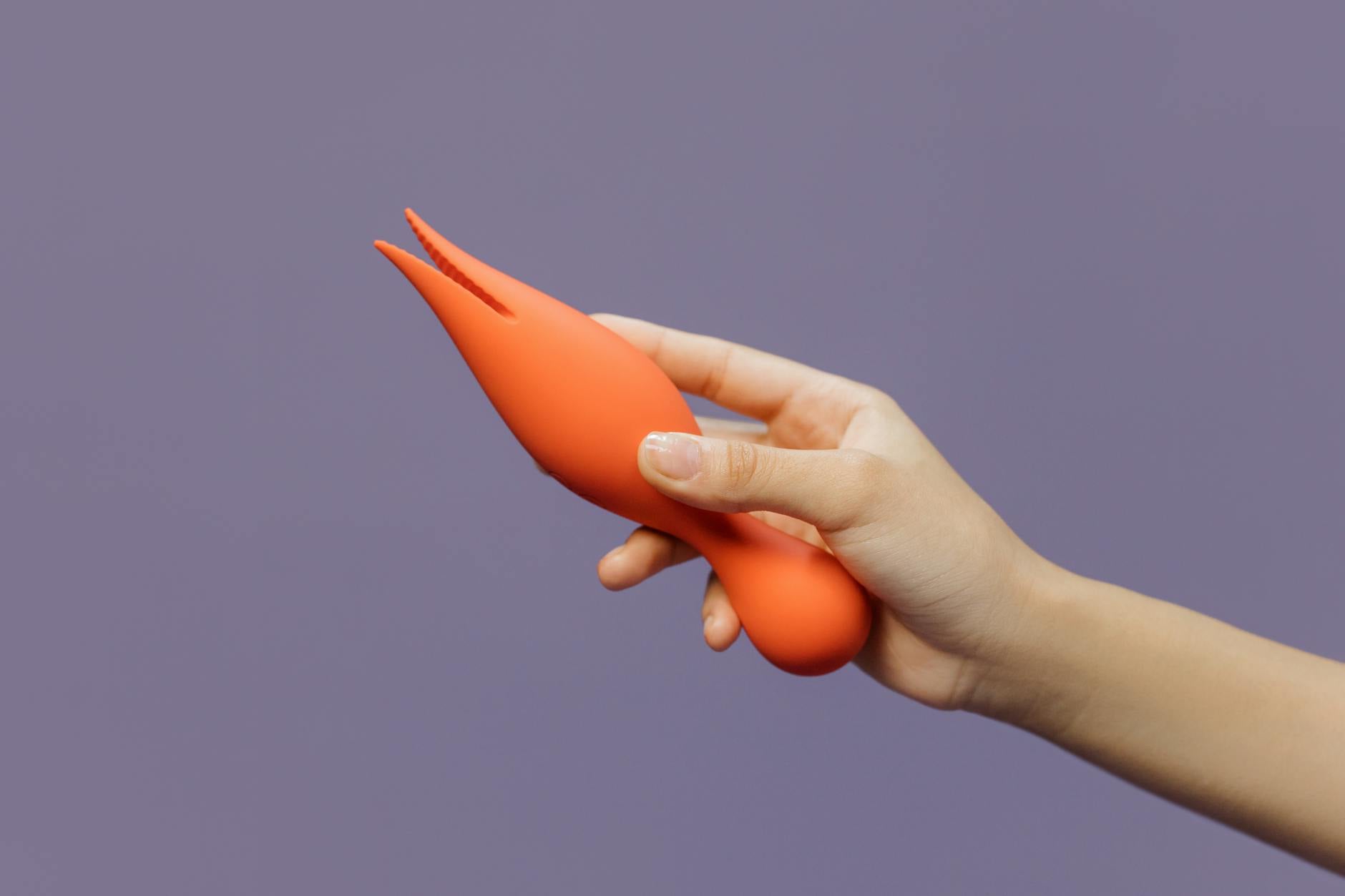
I work with people on this transition constantly. The ones who do best are the ones who stop treating it like a comeback and start treating it like relearning a language you half-remember. Slow, curious, no judgment. Lemon vibrators fit into this transition better than most people realize because they work with your body's actual state of readiness rather than demanding you perform into it.
Why breaks happen (and why you don't need permission to have taken one)
Breaks from sex happen for dozens of reasons. A relationship shift. Grief. Medical recovery. Burnout from a partner wanting sex more than you did. A period where your body just didn't feel like yours. Maybe you were single and weren't meeting people. Maybe you were exhausted.
The reason doesn't matter as much as this: your body remembers that it had a break. Your nervous system knows. Your clitoris knows. And trying to jump back to whatever your sexual life was before by sheer force of willpower is how people end up feeling numb, frustrated, or more disconnected than they started.
That's not a personal failing. That's just physiology meeting psychology, and both of them saying "slow down."
What actually shifts when you've been away
Three things happen, and it helps to name them so they don't feel like you're losing it.
First, your baseline arousal rests lower. If you've been away for weeks or months, your body isn't on a hair-trigger. Your clitoris isn't engorged or sensitive by default. That takes rebuilding. It's not permanent. It just means the warm-up phase is longer.
Second, you might feel emotionally guarded around pleasure. Your brain might be running a quiet story that sex is too much, or that you should be doing it a specific way, or that if you want it wrong you'll be wrong for wanting it. These stories live in the background and make your body tense. They're real. They're also changeable.
Third, reactivating sensation is genuinely different from maintaining it. If you've used lemon vibrators before, you know what they do. If you haven't, starting one now means learning your body's response when you're already in transition mode. Both require patience.
What does NOT change: your capacity for pleasure. Your nervous system's ability to build arousal. Your orgasmic potential. These are hardwired. They're just in sleep mode.
Why lemon vibrators are underrated for this exact moment
Lemon clitoral vibrators work well for people returning to pleasure because they don't require you to have a specific kind of body readiness. Let me explain that.
Traditional vibrators work by stimulating tissue that's already responsive. They need some baseline arousal to feel good. Lemon suction toys, by contrast, create stimulation through air-pulse technology. That means they're working with sensation and suction rather than friction. For someone whose body is quieter than it used to be, this matters because it reaches your clitoris in a gentler, more gradual way.
You're not forcing arousal. You're inviting it.
Second, lemon vibrators give you granular control. You start on a lower pattern, stay there as long as you want, and move up only when your body says it's ready. There's no threshold you're supposed to cross. You get to write the timeline.
Third, and this is subtle but real: suction toys feel different from what you might remember, which can actually reset some of the mental loops you've built up. Your brain isn't comparing it to "how it used to feel." It's learning something new. That fresh-start feeling matters psychologically.
The actual plan for your first session back
I recommend thinking of this as a reconnaissance mission, not a performance.
Set aside 30 minutes with zero expectation of orgasm. You're exploring. You're relearning. If orgasm happens, great. If it doesn't, the mission was still successful because you got data. You found out what your body's doing right now.
Start with the lowest setting on your lemon vibrator. Not because you're fragile, but because you're genuinely starting from a lower baseline and pushing straight to a high setting will just numb you out. Low patterns let you notice sensation as it builds. This is actual information your brain needs.
Spend 5 to 10 minutes just feeling the suction without expectation. Let your nervous system remember this. Notice temperature, pressure, whether anything feels sore or tender. If your body says stop, stop. You're building trust back with yourself here.
If sensation starts building, stay curious instead of pushing. The impulse after a break is often "okay now let's make this happen." That's the performance trap. Curiosity is slower. It's also what actually works. "That feels warm" is different than "this should make me come." One opens the door. One slams it shut.
If nothing happens in 15 to 20 minutes, wrap it up. You're not broken. Your body wasn't ready for a bigger response this time. That's completely normal and tells you exactly where to start next time. You just gave yourself useful data.
The emotional setup (this is half the work)
I'll be direct: most of the difficulty around restarting isn't actually physical. It's the stories you're running.
"I shouldn't want this yet." "If I enjoyed it too much, what does that say about me?" "My partner is waiting for me to want this so we can feel close again." "I should be further along by now." Those narratives live in your body as tension.
Before you even pick up a lemon vibrator, you need to do this: write down what you're actually afraid of. Not what you think you should be afraid of. What's actually running. It might be "I'm scared I've lost sensation permanently." It might be "I don't want to want this and feel obligated." It might be "I'm grieving what sex used to be before my body changed."
Naming it separates it from you. You're not the fear. You're the person noticing the fear. That distinction is everything.
What to expect over the next few weeks
Reactivation isn't linear. Week one you might feel something. Week two might feel duller. Week three something clicks. This isn't abnormal. Your nervous system is coming online in layers.
Some people find that a lemon clitoral vibrator helps them move faster through this phase because the sensation is so different from what they remember that it bypasses some of the psychological resistance. Other people need a full month of slow exploration before they're ready for anything. Both timelines are correct.
If you're partnered, the most important thing is honest communication that isn't about reassurance. "I'm moving slow because I want to actually feel good, not because something's wrong" is information. "I'm scared I'm broken" is a question that needs a different kind of answer. One is a boundary. One is anxiety needing soothing. They look similar but they need different responses.
When to know it's working
You know reactivation is actually happening when you start thinking about pleasure outside the moment you're doing it. Not obsessively. Just casually. "I wonder what pattern three felt like." Or "Maybe tomorrow I'll explore for longer." That's your brain coming back online, recognizing pleasure as something that belongs to you.
You also know it's working when sensation starts returning on its own timeline, not when you demand it. You're sitting at home, relaxed, and your body's remembering what arousal feels like. That's the good sign. That's integration.
If weeks pass and you still feel flat
Sometimes a physical break reveals something deeper. Sometimes the break was necessary because desire disappeared for a reason that's still present. Sometimes medication, stress, or a relationship issue is suppressing sensation at a level that lemon vibrators alone won't fix.
If you've given yourself a solid 4 to 6 weeks of patient exploration and nothing's shifting, it's worth talking to someone. Not because you're failing. Because you deserve support that goes deeper than a vibrator can reach. I recommend starting with a therapist who specializes in sexuality or relationship issues, or your doctor if you think something medical is at play.
Lemon vibrators are tools. They're good ones. But they work best alongside curiosity, honesty, and patience. Those are the things that actually rebuild your connection to pleasure.
FAQ
How long should I wait after a break before using any vibrator?
There's no magic number, but I usually suggest giving yourself at least a week to settle back into your body before introducing anything. That means sleeping well, moving your body in ways that feel good, maybe taking a bath. Let your nervous system know it's safe. Then when you use a lemon vibrator, it's not shocking your system. It's joining something you've already started.
Will a lemon vibrator feel the same as it did before my break?
Probably not, and that's actually fine. Your body's changed. Your sensitivity is different. That doesn't mean it's worse. It's just different. Some people find that after a break, suction toys feel more intense because their baseline is lower. Others find them gentler. Pay attention to what's true for you instead of comparing it to a memory.
Should I use lube even though I had no problem before?
Yes. After a break, your body's baseline lubrication is often lower, even if your arousal eventually builds normally. Water-based lubricant under a lemon vibrator isn't a sign of anything wrong. It's just removing one variable so you can focus on sensation without friction being in the way. It actually helps.
What if I feel numb the first few times?
Numbness usually means either your body isn't ready yet, or you're pushing toward orgasm instead of just exploring. Back off intensity. Move slower. Try shorter sessions. Your nervous system will tell you when it's actually back online. Trying to force it usually just extends the timeline.
Is it normal to feel emotional or cry while restarting?
Completely normal. Reactivating pleasure can bring up grief about time lost, anger at your body, relief that something's returning, or just the vulnerability of being aroused when you haven't been in a while. These feelings aren't problems. They're your body processing something real. Feel them. Keep going.
Should I tell my partner I'm doing this?
That depends on your relationship and your comfort. Some people want to keep self-exploration private while they rebuild trust with their own body. Some people want their partner to know they're actively working on this so their partner understands the timeline isn't about them. Neither is wrong. Choose based on what helps you feel safe and supported, not on what you think you should do.
The return is a different journey
Coming back to pleasure after a break isn't a fast track. It's not about proving something to yourself or your partner. It's about remembering that your body still knows how to feel good, and that you deserve the time and patience to let that unfold at exactly the pace it needs to.
A lemon vibrator can be a really helpful tool in that process. But the real work is showing up without judgment, moving slowly, and believing that sensation and desire can come back. Because they do. They just take permission and time.