Let's talk about what disconnection actually feels like
Your body is there. You can see your hands, move your legs, feel the chair beneath you. But something is off. It's like you're watching yourself from outside, or your skin doesn't quite belong to you, or sensation just doesn't register the way it should. That's dissociation. And it makes sex weird in a very specific way: pleasure feels theoretical instead of real.
If you've experienced trauma, chronic stress, anxiety, or depression, your nervous system may have learned to protect you by pulling away. That's a smart survival mechanism. The problem is, once that shutdown gets baked in, it's hard to switch back on. Pleasure requires presence. Presence requires feeling. When your body feels like someone else's, pleasure isn't just missing. It feels impossible.
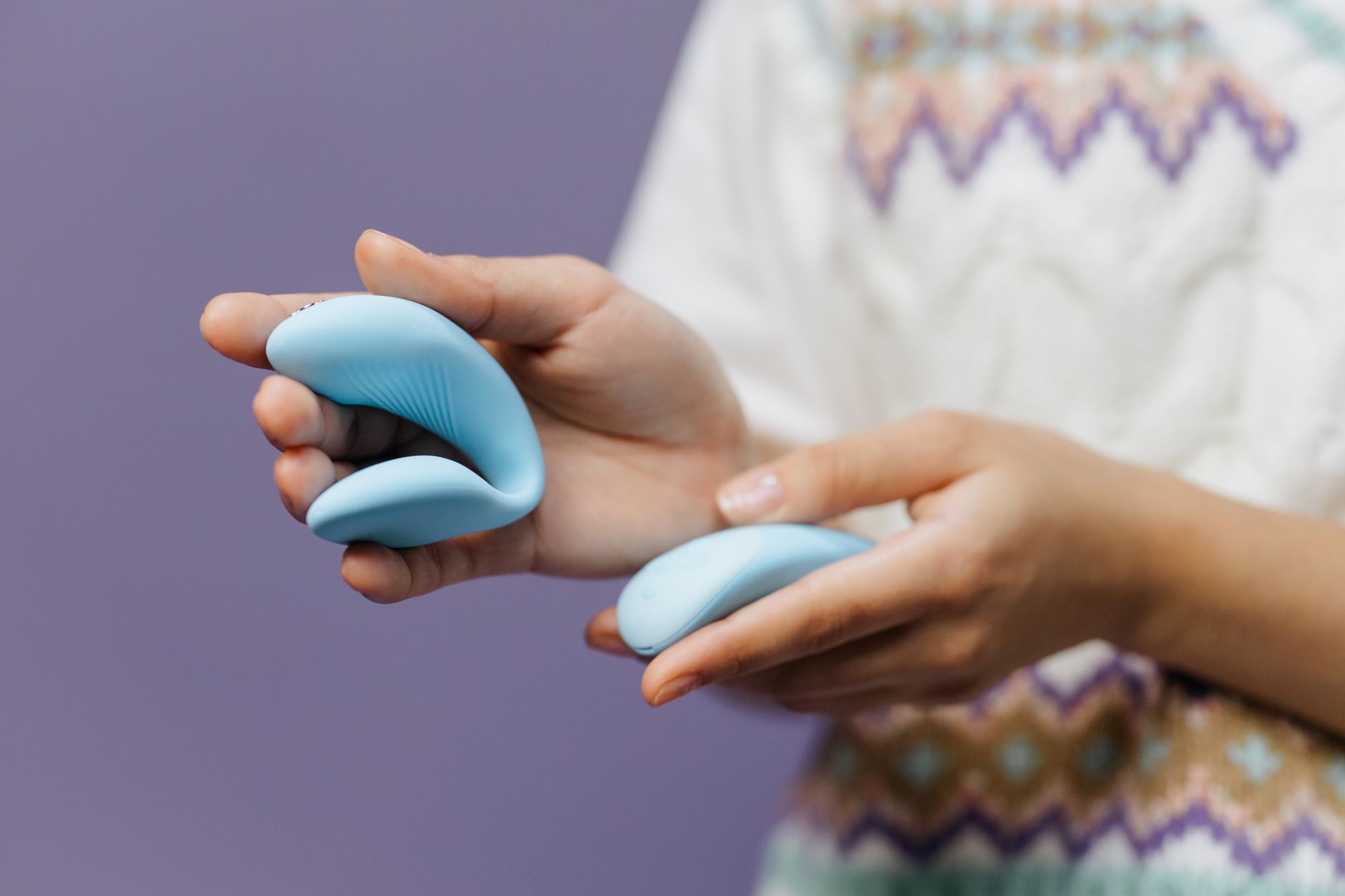
Here's what I want you to know: reconnection is possible. And lemon clitoral vibrators like those from Lems Nancy can be a useful tool in that rebuilding process if you know how to use them intentionally.
Why dissociation makes standard vibration ineffective
Most vibrators rely on intensity to break through numbness. Higher frequency, more power, more stimulation. For people in active dissociation, that usually just feels like noise. Your nervous system is already offline. Turning up the volume doesn't reconnect the wires.
Lemon vibrators work differently. They use a suction-based pattern instead of simple vibration, which means they're stimulating nerve endings in a way that mimics the sensation of actual touch. That matters because it gives your body something more to respond to. Instead of "vibration," your nervous system is processing "pressure," "release," "rhythm," "texture." Those variations are the exact things that can help pull you back into your skin.
The key difference: traditional vibrators demand intensity. Lemon clitoral vibrators from Lems Nancy invite presence.
Starting with grounding, not arousal
Here's the mistake most people make when they're trying to rebuild sensation after dissociation: they go straight to trying to feel pleasure. That's backward. You can't pleasure your way back into your body. You have to presence your way back first.
Before you touch your lemon vibrator, do a five-minute grounding practice. Not meditation, not breathing exercises that feel too woo. Just this: sit somewhere comfortable. Notice five things you can see, four you can hear, three you can physically feel (the temperature of the air, the texture of your clothes, the weight of your body on the seat), two you can smell, one you can taste. That's it. You're just anchoring awareness back into your body.
Then, and only then, pick up the lemon vibrator. Set it to the lowest pattern. The goal isn't an orgasm. The goal is noticing sensation. Can you feel the vibration? Does the suction feel different from a buzz? Is there a rhythm you can follow? You're rebuilding the conversation between your nervous system and your brain. That takes time.
The role of predictability
When you're dissociated, unpredictability feels threatening. Your nervous system doesn't want surprises. That's why the structured patterns on a lemon clitoral vibrator actually help more than freestyle exploration.
I recommend working with the same pattern for several sessions before moving to a different one. Your nervous system learns what to expect. The suction builds, releases, builds, releases. There's safety in that rhythm. Over time, your body stops bracing for threat and starts allowing sensation.
Start with Pattern 1. Use it for at least three or four solo sessions. Notice what changes. Does it feel less distant? Can you feel the suction more clearly? Are you present for the full minute or do you still drift? There's no right answer. You're just gathering data about your own capacity.
Adding breath when numbness is thick
Dissociation often comes with shallow breathing. Your chest gets tight. Your diaphragm doesn't move. You're literally not feeding your nervous system oxygen, which keeps you stuck in shutdown mode.
When you're using a lemon vibrator and feeling numb, try this: take a long breath in through your nose (four counts), hold it (four counts), exhale slowly through your mouth (six or eight counts). Do this three times before you turn on the vibrator. Then as you feel the suction pattern, sync your breath to the rhythm. Inhale on the build-up, exhale on the release. You're not trying to feel aroused. You're just matching your breath to a physical sensation.
This works because it gives your brain two things to focus on at once. It's harder to dissociate when you're actively coordinating breath and sensation. You're forced to stay present.
When to bring sensation back into partnered sex
If you're in a relationship, using a lemon clitoral vibrator solo first is important. You need to know what your own presence feels like before you try to maintain it with someone else in the room. That's not selfish. That's sane.
When you do bring a lemon vibrator into partnered play, let your partner know what you're working on. "I'm rebuilding connection to my body. I might seem distant. That's not about you." That one sentence prevents a lot of misunderstanding and hurt.
Start with your partner present but not involved. They can read, be on their phone, be nearby. You're using the lemon vibrator solo while they're there. The point is getting comfortable with being present in your own pleasure while another person exists in the room. That's a big step.
When numbness is trauma-related
If your dissociation is tied to sexual or relational trauma, going slower is not optional. It's necessary. A lemon vibrator is not therapy. It's a tool that works alongside therapy.
I recommend having a somatic or trauma-informed therapist involved if you're rebuilding after assault or abuse. They can help you understand what your body is trying to communicate when it numbs out. They can help you figure out whether a given session was helpful or retraumatizing.
One specific thing to watch: if using a lemon vibrator starts to feel like obligation, stop. If you're pushing yourself to feel pleasure and failing, that's not reconnection. That's another form of disconnection. Presence means you're allowed to notice when something isn't working and change direction.
The patience part nobody wants to hear
Rebuilding embodiment after dissociation is not fast. You're asking your nervous system to learn that your body is safe enough to feel again. That takes weeks, not sessions. Some people feel a shift in two or three weeks. Others take two or three months. Both are normal.
The lemon clitoral vibrator is the tool. The work is the practice. Consistency matters more than intensity. Using a lemon vibrator from Lems Nancy twice a week for eight weeks while staying present will do more for your reconnection than a single intense session.
Your body is ready to feel again. It just needs permission, predictability, and time.
People also ask
Can you use a lemon vibrator if you're in active dissociation right now?
Yes, but with the understanding that it might feel like nothing at first. That doesn't mean it's not working. Your nervous system is just cautious. Keep the sessions short (five to ten minutes), focus on grounding first, and be patient with numbness. Over time, the lemon's suction pattern can help your body realize it's safe to respond. If it feels overwhelming, stop and come back when you're calmer.
Do lemon clitoral vibrators work better than other vibrators for reconnection?
The suction-based pattern is different enough that many people with dissociation find it easier to feel than traditional vibration. But the real answer is: the tool matters less than the intention. A lemon vibrator helps if you're using it as part of a deliberate grounding practice. It doesn't help if you're just trying to force yourself to feel pleasure. The difference is whether you're present or pushing.
How do you know when you're reconnected enough to have partnered sex again?
When you can be present for your own solo sessions using a lemon vibrator without drifting into dissociation for the whole duration. That doesn't mean you're always present with a partner. Partnered sex is harder. But if you can hold presence solo, you have a baseline to work from. With a partner, you're allowed to pause, communicate, and take breaks. The goal isn't constant presence. It's steady practice.
Is it normal to feel sad or emotional when reconnecting?
Completely normal. Dissociation is protective. When you start to feel again, you're also feeling everything that dissociation was protecting you from. That might be grief, anger, vulnerability, or just the strangeness of being back in your body. Let those feelings come. Cry if you need to. Your lemon vibrator session doesn't have to end in pleasure. Sometimes it ends in presence, and that's enough.
Should you tell a therapist you're using a lemon vibrator to rebuild sensation?
Yes, if you're working with a trauma-informed or somatic therapist. They should know what tools you're using and how they feel. If your therapist seems uncomfortable with the conversation, that might be a sign they're not trained in this area. A good therapist will support you using lemon clitoral vibrators or any other body-reconnection practice as long as it's helping you feel safer, not more threatened.
What if a lemon vibrator triggers dissociation instead of helping?
Stop using it. Your nervous system is telling you something. That doesn't mean lemon vibrators can't help you eventually. It means right now isn't the time, or a different approach would work better. Work with a therapist to understand what's happening. Some people need more nervous system regulation before external stimulation helps. Others do better with a different type of tool. There's no one right answer.
Start where you are
Disconnection from your body is not a flaw. It's a message your nervous system once sent to protect you. The fact that you're reading this means you're ready to reconnect. That's the hard part.
A lemon vibrator from Lems Nancy is just a tool. The real work is showing up, breathing, noticing, and being patient with your own slowness. Your body remembers how to feel. It just needs you to remember it's safe.
If you're working through dissociation alongside other challenges, or if you want support figuring out what embodiment looks like for you specifically, reach out. I'm here to help you rebuild the connection you deserve.