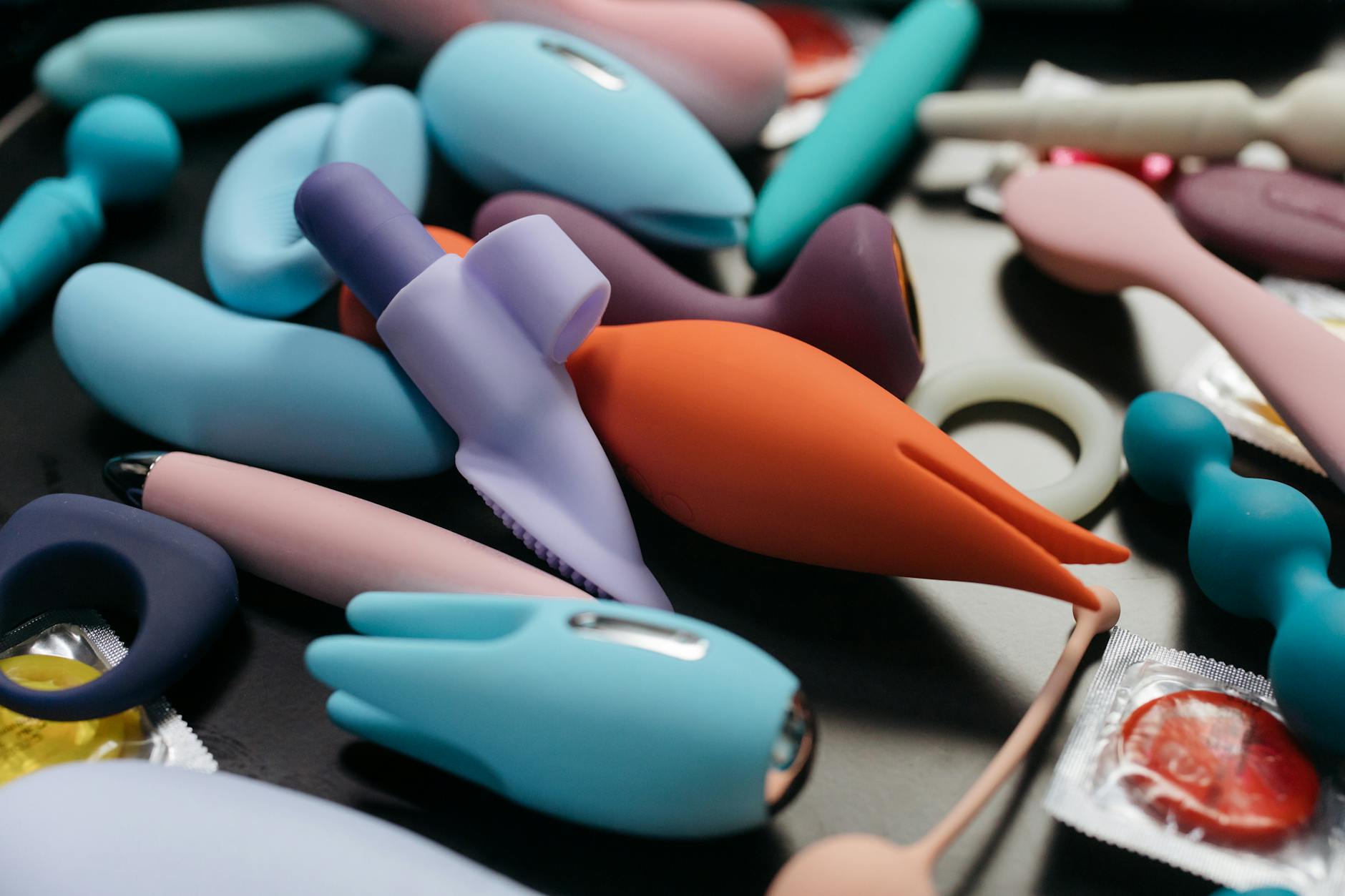
Here's the thing about vibrator intensity
Not every body welcomes a clitoral vibrator the same way. Some people experience immediate sensitivity or even discomfort when the stimulation feels too strong. This isn't a failure on your part. It's not a sign you're broken. It simply means your nerve endings are responsive, and you need a different approach than someone who thrives on high intensity.
The good news: intensity is adjustable. With the right scaling strategy, you can move from "this feels overwhelming" to "this feels exactly right" in a matter of days or weeks.
Why sensation can feel too strong
Certain conditions make vibration feel sharper or more jarring than others. Hormonal fluctuations, dehydration, recent illness, stress, or pelvic floor tension can all amplify how you perceive vibration. Some bodies are naturally more sensitive to high-frequency stimulation. Some people spend years without clitoral contact and find that their tissue has become hypersensitive to direct touch.
There's also the simple fact that many lemon vibrators and other clitoral vibrators ship with strong default settings. The top speeds available on newer models cater to people who want intensity. If you're starting fresh, jumping straight to maximum settings is like cranking your shower to full blast before testing the temperature.
Start with pattern, not power
The first adjustment isn't usually about turning down the vibration strength. It's about switching from constant vibration to a patterned rhythm.
Most Lems Nancy clitoral vibrators come with multiple settings. The lowest numbered patterns are usually gentler not because they vibrate less, but because they introduce rhythm and variation. Your nervous system tolerates variation better than relentless intensity.
Try pattern 1 or 2 instead of jumping to speed mode. Spend an entire solo session with that pattern. Notice what happens. Most people find that a patterned rhythm feels less aggressive than a steady stream, even at similar power levels.
Build a buffer with lubrication
Direct contact between vibrator and tissue amplifies sensation. A good water-based lubricant dampens that intensity significantly. The lube also protects tissue from microscopic friction that can create soreness.
Apply generously before you start. This isn't about what feels "sexy." It's about comfort engineering. Reapply halfway through if the lube dries out. You'll notice an immediate difference in how tolerable the sensation becomes.
The indirect approach
You don't have to apply the vibrator directly to your clitoris. Try these alternatives first.
Through underwear. Some people find that a thin layer of fabric significantly mutes the sensation, making it easier to acclimatize to vibration without overwhelming intensity. Leave your underwear on and use the vibrator over the fabric. You lose some precision, but you gain comfort.
To the outer labia. The tissue here is less sensitive than the clitoral glans. Start here. Let your body adjust. Then, over sessions, gradually move toward the clitoris as your comfort grows.
With a hand in between. Place your hand or a palm flat over the vibrator, then press gently. This creates a buffer layer and lets you control intensity with pressure.
On the mons pubis. The area above your clitoris, above where pubic hair typically grows, is less sensitive and more forgiving. Vibration here still sends signals down to your clitoris, but the experience feels less direct and less jolting.
Expand your warm-up time
Arousals with lower baseline sensitivity need longer runway. Skipping foreplay and jumping straight to vibration almost guarantees overstimulation.
Add 10-15 minutes of non-vibrator foreplay first. Touch yourself without tools. Breathe. Notice what turns you on mentally. Let your nervous system settle into an aroused state before you introduce the vibrator.
This isn't wasted time. You're training your body to associate pleasure with gradual escalation, not sudden intensity. Once arousal is already building, the same vibrator intensity that felt jarring in a cold state feels entirely manageable.
Use the Lems Nancy suction feature strategically
If you're working with a lemon clitoral vibrator that includes air-suction or pulsing technology, start with suction alone before adding vibration. Suction creates stimulation through pressure change rather than direct friction. Many people find this gentler than traditional vibration.
Experience the suction pattern for a full session before layering in vibration. Your nervous system will adjust, and when you finally add vibration, the combined sensation will feel more integrated rather than shocking.
The pacing reset
Some people need to approach intensity like progressive training. Rather than fighting through discomfort in a single session, deliberately use lower patterns for one or two weeks.
Set a personal rule: only patterns 1-3 for two weeks. That's it. Finish sessions, rest, then come back. Your nervous system adapts more quickly than you'd expect. After two weeks, try pattern 4 and notice the difference. You've essentially recalibrated your baseline.
This works because your body stops bracing against the sensation. Intensity becomes familiar rather than surprising.
Breathing and tension release
When sensation feels too strong, most people unconsciously tighten their pelvic floor. This tightening makes everything feel sharper and more intense. It's a protective reflex.
Break the cycle by breathing intentionally. Deep, slow breaths. In through your nose for four counts. Out through your mouth for six. As you exhale, consciously release your pelvic floor. Imagine the muscles between your anus and genitals softening completely.
This single shift often makes overwhelming sensation suddenly manageable. Your pelvic floor relaxation is more important than any adjustment to the vibrator itself.
Know when to pause
If sensation still feels overwhelming after these adjustments, or if you experience pain, soreness, or numbness afterward, stop and rest for a day or two. Your tissues need recovery time.
This is different from discomfort that's simply unfamiliar. Overstimulation damage feels like persistent tenderness, increased sensitivity, or a raw sensation that lingers. If that's happening, you've pushed too far. Dial back further. Give yourself space.
When to explore other tools
Some bodies simply respond better to different stimulation styles. How Lemon Vibrators Compare Across Brand Types and Price Points can help you understand whether a different tool might feel more natural to your body.
Wand vibrators, for example, distribute vibration across a wider surface area, which many people find less intense. Toys with variable pulse patterns offer more nuance than steady vibration. The lemon clitoral vibrator design works beautifully for many people, but it's not the only option, and not every body experiences it the same way.
The partner conversation (if relevant)
If you're exploring intensity issues with a partner, communicate clearly. "The vibration is overwhelming right now" is useful information. "Can we use lower patterns and spend more time building up first?" is a request they can actually help with.
Many partners assume higher intensity equals more pleasure for their partner. Clarifying that you actually prefer slower escalation and lower patterns gives them the real roadmap. How to Talk to Your Partner About Using Lemon Vibrators Without Shame offers concrete language you can use.
The timeline for tolerance
Most people see noticeable change within 2-3 weeks of consistent, deliberate use with lower settings. Your nervous system is plastic. It adapts. But adaptation requires repetition and patience, not pushing through discomfort.
After a few weeks of pattern 1-2 sessions, suddenly pattern 3 or 4 will feel almost gentle by comparison. You're not toughing it out. You're training your baseline.
FAQ
Can numbness from a vibrator be permanent?
No. Numbness after vibrator use is temporary nerve fatigue, not damage. It typically resolves within hours to a few days. If numbness persists beyond 24-48 hours, you've overstimulated, and you should rest for several days before trying again. This is your body's signal to use lower intensity or take longer breaks between sessions.
What if I want the lemon vibrator to feel even less intense?
You can dampen sensation further by wrapping the vibrator in a soft fabric layer (like a microfiber cloth) before use. This mutes vibration significantly. As your comfort grows, remove the layer gradually. You're essentially giving yourself time to acclimatize without forcing adaptation.
Is it normal to feel overwhelmed by clitoral vibrators if I usually enjoy sex without toys?
Completely. Solo vibrator sensation is concentrated and uninterrupted in a way partnered touch isn't. Your body hasn't rehearsed this particular input pattern. The sensation is novel, which can feel jarring initially. This is temporary. Most people who feel overwhelmed at first become enthusiastic users after scaling intensity appropriately.
Should I use numbing products to make vibration feel less intense?
No. Numbing products mask the sensation, but they don't teach your nervous system anything. Once you stop using them, the intensity returns unchanged. Plus, you lose valuable feedback from your body about what's working. Work with intensity scaling instead. It works faster and builds genuine tolerance.
Can hormonal shifts make vibration feel more intense suddenly?
Yes. Fluctuations in estrogen and progesterone change blood flow and tissue sensitivity. Your clitoris might feel more responsive mid-cycle and less reactive near your period. If vibrator intensity suddenly feels overwhelming, check whether your cycle has shifted. You may need to temporarily dial back and scale up again as hormones restabilize.
What's the difference between overstimulation and healthy intensity?
Healthy intensity feels pleasant, though strong. Overstimulation feels sharp, jarring, or painful, either during use or afterward. If you feel sore, tender, or numb after a session, you've crossed into overstimulation. Healthy pleasure might feel intense, but it feels good.
You have options
Intensity is not a fixed trait. Neither your vibrator nor your body is locked into one sensitivity level forever. Overwhelming sensation now becomes manageable sensation with deliberate, patient scaling. Start low, move slow, and notice what changes. The pleasure you're after is on the other side of that adjustment, not behind it.