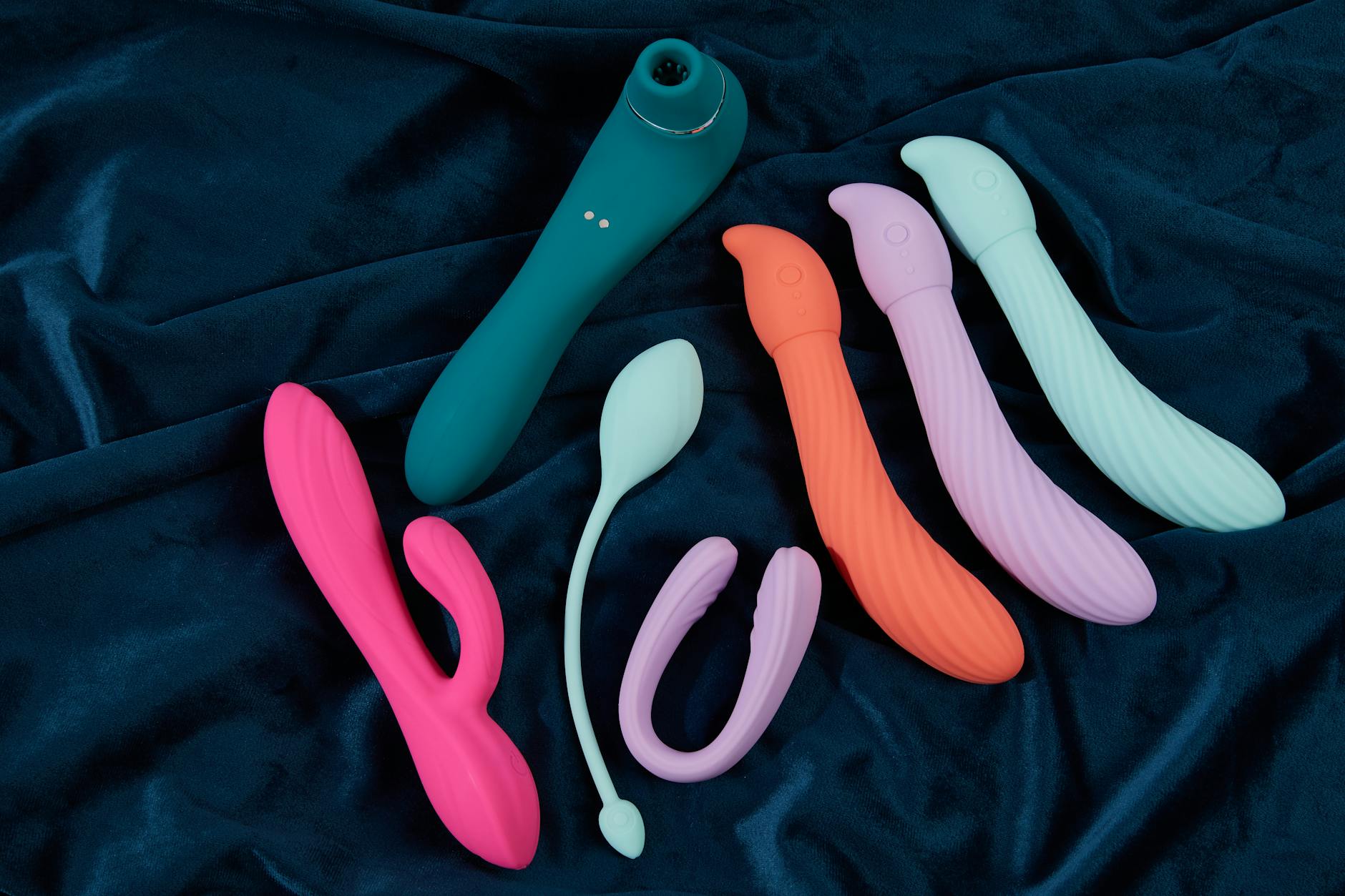
Let's be clear about what this is and isn't
This is not advice about therapy. You may need that separately, and that's important. This is a practical guide for someone who's already in healing work and wants to understand how a tool like a lemon clitoral vibrator might fit into reclaiming their own pleasure.
Sexual trauma rewires how your nervous system responds to touch, sensation, and arousal. Healing from it doesn't mean erasing the past or forcing yourself back into pleasure before you're ready. It means slow, intentional reconnection with your own body on your own terms.
Why lemon vibrators can be different for trauma recovery
Here's the thing about lemon adult toys and other clitoral vibrators. They offer something that manual touch sometimes can't. They're predictable. You control every variable. The speed doesn't change because someone got bored. The pressure doesn't surprise you. The pattern stays exactly what you chose.
That predictability matters because trauma lives in the body as a state of hypervigilance. Your nervous system learned to expect the unexpected. A tool that responds only to what you do, with no surprises, can help retrain your body that pleasure can be safe.
Lemon clitoral vibrators are also relatively low-commitment to start. You can pause instantly. You can change settings or stop completely without needing to communicate with anyone else. That control is foundational to healing.
When you might not be ready yet
If you're newly out of a traumatic relationship or experience, this might not be the time. There's no timeline. Some people find value in this work after weeks of therapy. Others need months or years. Your therapist knows your case. You know your nervous system. Trust that.
Watch for these signals that you're not ready yet. Dissociation during solo touch is a big one. Panic responses to stimulation. Feeling pressured to feel pleasure as proof that you're healing. Numbness that feels like it's being forced through instead of naturally returning.
If any of those resonate, you're not failing. You're listening to your body. That's the work.
How to start if you decide you're ready
First, bring your lemon vibrator to the conversation. Not into your body. Just into the space. Look at it. Hold it. Leave it on the nightstand for a few days. Let your nervous system adjust to its presence without pressure to use it.
When you do decide to try it, pick a time when you feel genuinely safe and unhurried. Not when you're running late or in a shared space where you might get interrupted. Not when you're already dysregulated or triggered. Pick a moment when your nervous system is genuinely calm.
Start with the lowest setting. The lemon clitoral vibrator has gentle patterns designed to let you control the intensity. Begin with external contact only, nowhere near penetration. Your vulva has thousands of nerve endings clustered at the surface. You don't need intensity to feel sensation.
What to pay attention to as you explore
This is the part nobody explains clearly. Your job is to notice, not to perform. Not to reach an orgasm or prove healing is working. Just to observe what happens in your body.
Does your breathing stay steady or does it get shallow? Does your mind stay present or does it drift away? When you pause the vibrator, does your body feel calm or tense? Are you touching because you want to or because you think you should?
If you notice dissociation. If your mind leaves your body. If you go numb. Stop. This isn't failure. This is data. Your nervous system is telling you it's not quite ready yet. That information is valuable.
Some people find that sensation returns gradually. Week one feels muted. Week two slightly sharper. That's normal nervous system retraining. Other people find pleasure returns in waves, good days and harder days. Both patterns are real.
If your partner is involved
If you're healing from trauma and your partner wants to be part of reconnection, you need a conversation that happens away from the bedroom. Not in the moment. Not during intimacy. Just talking.
Tell them what you need. Maybe that's them leaving the room while you explore alone. Maybe it's them present but not touching. Maybe it's them understanding that some days you're ready and some days you're not, and that's not about them.
A lemon clitoral vibrator can actually make partner intimacy easier because it gives you a tool that's entirely yours. You control it. Your partner doesn't need to worry about being the right pressure or rhythm. You set the pace. They follow.
But only if you want them there. Healing sometimes requires solitude.
The role of consent and control
Consent is the through-line here. Consent with your body. Consent with your partner if they're involved. Consent with the pace of your own healing.
You get to change your mind. You get to try something once and never do it again. You get to go slower than you think you should. You get to stop and come back in six months. You get to decide that this tool isn't for you right now, and that's completely fine.
Hello Nancy products are built with control in mind. Simple buttons. Clear intensity levels. No surprises. You know exactly what's going to happen when you press a button. That matters when your trauma history is about violation of your autonomy.
Common things that happen and what they mean
You might feel sadness. Not because something is wrong, but because you're reconnecting with a part of yourself that got hurt. That sadness sometimes needs space to exist.
You might feel anger. Anger at your body for responding. Anger at the person who hurt you. Anger that healing isn't faster. All of that is normal and valid.
You might experience flashbacks. If you do, stop immediately. Ground yourself. Feel your feet on the floor. Name five things you can see. This is why having a therapist involved matters.
You might discover that pleasure feels good. That your body can respond. That you can feel safe and aroused at the same time. That's possible too. Hold it gently. It doesn't mean you're fixed or completely healed. It means you're having an experience today.
When to reach out for more support
If flashbacks are frequent and disruptive, you need trauma-informed therapy, not a vibrator. If you feel trapped or you're using solo exploration to avoid relationship issues, that's also a conversation for a professional.
If you're unsure whether a lemon vibrator is right for your healing timeline, call your therapist. They know your history. They know your nervous system patterns. They can help you think through it.
If you have questions about the physical side. How to clean, how to use it safely, what to do if you're experiencing pain. Hello Nancy's support team can answer those. That's what they're there for. You're not bothering them. This is the work.
FAQ
Can I use a lemon vibrator if I'm still in therapy for trauma?
Yes, absolutely. Many therapists recommend it as part of a broader healing practice. The key is transparency with your therapist about what you're exploring and what sensations or emotions come up. They can help you process what happens.
What if I feel nothing when I use it?
Numbness is a common trauma response. Your nervous system may be protecting you. That's not a failure. Sensation often returns as you build safety, but there's no timeline. If you're working with a therapist, tell them you're experiencing persistent numbness. They may recommend grounding exercises or other approaches alongside gradual reintroduction to sensation.
Should I tell my partner I'm using a lemon clitoral vibrator for healing?
That depends on your relationship and your comfort. If you live together and share a bedroom, they might notice. If you want partnership as part of your healing, telling them can actually deepen trust. If you need solo space first, that's valid too. There's no one right answer.
What if I experience pain or burning sensation?
Stop immediately. Pain is not part of healing. You might have sensitivity from trauma, or you might need lube, or your body might just not be ready. Never push through pain. Tell your doctor if it persists, especially if you have a history of pelvic trauma.
Can lemon vibrators help if I was traumatized by someone using a vibrator?
This one is delicate. Some survivors find that reclaiming the tool themselves is part of healing. Others can't separate the object from the memory. Both are completely legitimate. A trauma-informed therapist can help you figure out which camp you're in before you try.
How long does it take to feel comfortable with pleasure again?
There's no standard timeline. Some people feel shifts in weeks. Some take years. Healing isn't linear. You might have good weeks and harder weeks. The work is showing up with gentleness, not with a deadline.