Let's be real about this one
Arousal pain is one of the loneliest problems to talk about. You're not broken. You're not "too sensitive." You're not imagining it. Pain during arousal or the buildup to it is a real physiological experience that shows up for a lot of people, and almost nobody discusses it directly. That silence makes it worse because you end up blaming yourself instead of investigating what's actually happening.
Here's what I see in my practice. People push through, thinking pleasure is supposed to hurt sometimes. Others avoid sex entirely because the anticipation of pain kills arousal before it starts. Some try vibrators once, feel the familiar sting, and decide they're just "not a vibrator person." Most don't realize that the type of stimulation matters as much as the intensity.
What actually causes pain during arousal
Three main culprits show up repeatedly.
Pelvic floor tension is the most common one. Your pelvic floor muscles tighten in response to stress, anxiety, trauma, or sometimes just habit. When you're aroused, these muscles are supposed to relax and open slightly. If they're already clenched, arousal tries to add more sensation to tissue that's already braced for impact. That creates pain, not pleasure.
Vulvodynia and vestibulitis are conditions where the tissue around the vulva becomes sensitized and responds to touch with disproportionate pain. This isn't psychological. It's an actual change in how nerves fire. The good news is that it's treatable, but it requires a healthcare provider who knows what they're looking for.
Friction sensitivity happens when delicate tissue is stimulated with too much direct mechanical pressure too quickly. This is especially common if you're returning to sex after a long break, dealing with hormonal shifts, or recovering from an injury or medical procedure. Your tissue needs time to relearn what sensation feels good versus what feels invasive.
There are other causes too. Allergies to lubricants, yeast or bacterial infections, or even the shape of a vibrator pressing directly on a nerve cluster. But these three account for most of what I hear.
Why lemon vibrators change the equation
The Lem and other clitoral suction toys work differently than traditional vibrators. Instead of moving back and forth or buzzing directly on tissue, they create a gentle suction and pulse pattern that stimulates from around the clitoris rather than straight on top of it. This matters enormously when pain is involved.
Imagine the difference between someone pressing directly on a bruise versus gently stroking the area around it. One hurts. The other actually feels soothing and gradually brings blood flow and sensation back.
Clitoral suction also means you're not fighting friction. There's no vibrating surface dragging across sensitized tissue. Instead, you're getting rhythmic stimulation through a softer mechanism. For people with pelvic floor tension, this gentleness often allows the muscles to relax instead of tensing further in anticipation of pressure.

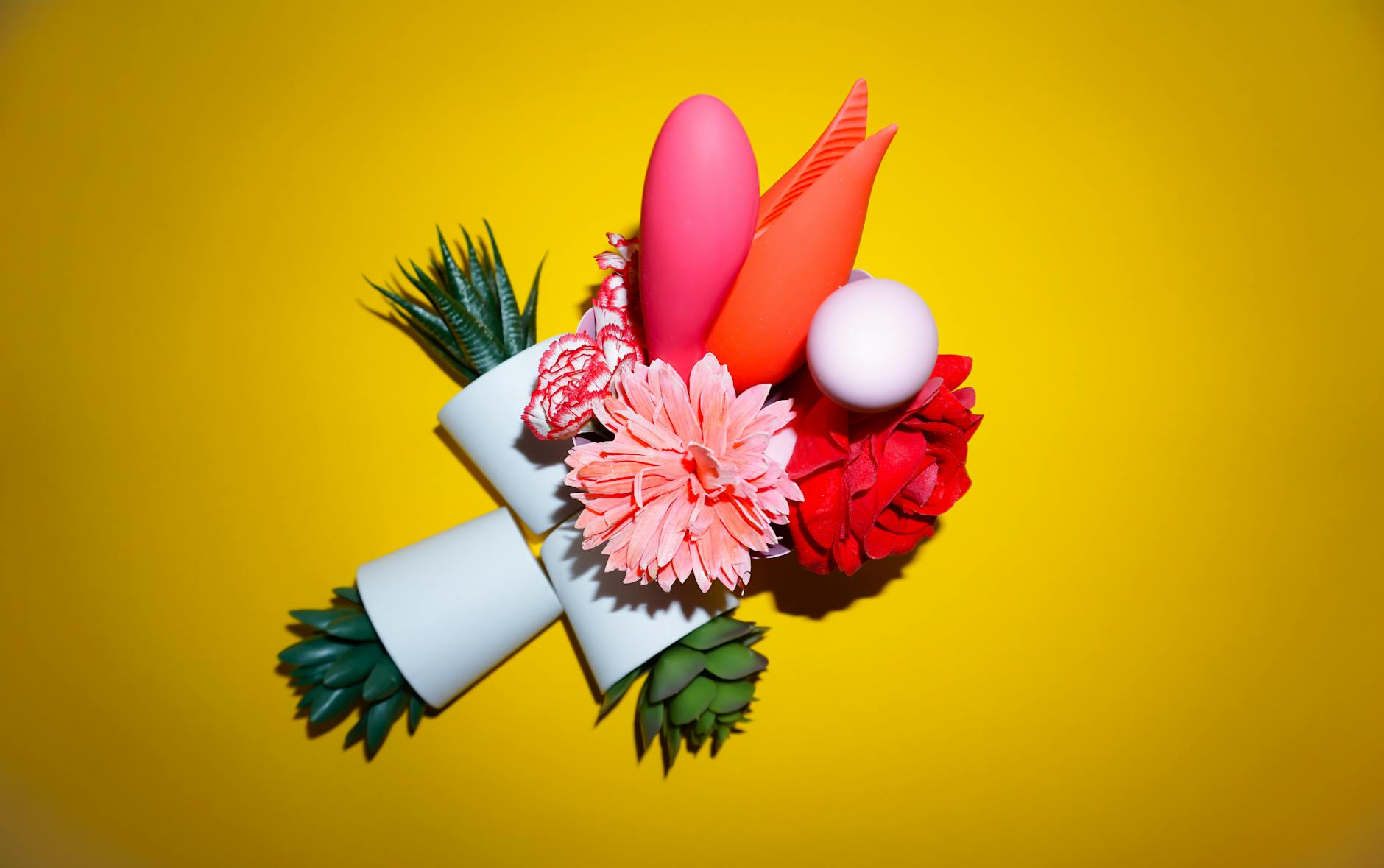
Photo by cottonbro studio on Pexels
How to actually use a lemon clitoral vibrator when pain is happening
Start with zero expectations about orgasm. Seriously. Your only goal in the first few sessions is to prove to your nervous system that sensation can exist without pain. That's it.
Set yourself up physically. Lie down in whatever position feels completely relaxed. Not sexy. Not performative. Actually relaxed. Your hips should support your lower back. Your legs uncrossed. Some people find that a small pillow under the pelvis changes everything because it takes pressure off the pelvic floor.
Use a water-based lubricant even if you don't think you need it. When pain is part of your history, your body sometimes forgets how to self-lubricate or stays protective. Lube removes friction and sends a signal to your nervous system that this experience is safe and easy. Apply it generously.
Start on the lowest pattern on the Lem. Turn it on, hold it about a half-inch away from your clitoris, and let the suction do the work. Do not press it on. Do not move it around. Just let it sit there. Breathe. Notice what you actually feel, separate from what you expect to feel.
Most people report that suction feels completely different from vibration. It's less intense, less jarring, more like a gentle draw. That unfamiliarity itself is sometimes enough to break the pain cycle because your nervous system doesn't have the same defensive response.
If pain appears, stop immediately. Not in a panicked way. Just turn it off and breathe for a moment. This isn't a test of willpower. Pain is information. It's telling you something is wrong. Respect that.
The pelvic floor piece nobody talks about
Honestly though, if pain during arousal is a regular thing for you, the vibrator alone won't fix it. You also need to address what your pelvic floor is doing.
Try this: sit on a chair, feel your sitting bones connect to the seat, and imagine your pelvic floor as an elevator. On an inhale, let that elevator rise slightly upward. On an exhale, let it drop down and relax completely. Do this five times, slowly.
Most people with arousal pain can't actually relax their pelvic floor. They can tighten it but releasing feels impossible or scary. That's the real problem. A physical therapist who specializes in pelvic floor dysfunction (not just Kegels, but actual relaxation work) is genuinely one of the best investments you can make.
You can also do this relaxation practice during arousal. Use your lemon vibrator on a low setting and practice that elevator breath. Let each exhale be permission for your pelvic floor to soften. This trains your nervous system to associate arousal with relaxation instead of tension.
When to bring a partner into this
If you have a partner, the conversation matters more than the vibrator. They need to understand that pain during arousal is about your nervous system, not about them or their touch. It's not rejection. It's not a sign that you're not attracted to them.
The best approach is to use your lemon vibrator solo first, build some positive associations with arousal, and then invite your partner to observe or participate once you feel more confident. Starting with a partner present when you're still in pain creates too many layers of performance pressure and self-consciousness.
When you're ready, a partner can help by slowing down, checking in frequently, and understanding that pleasure might look different than it used to. Longer warm-up time. More patience with intensity. Less focus on destination (orgasm) and more on simply noticing sensation.
What changes over time
After a few weeks of gentle, consistent practice, most people report that pain during arousal starts to shift. Sometimes it disappears entirely. Sometimes it stays a little but becomes manageable. The key is consistency and patience.
Your nervous system is learning that arousal doesn't have to mean bracing for impact. That sensation can be gentle. That pleasure and pain don't have to be tangled together. That takes time, but it's genuinely possible.
I've worked with clients who spent years thinking they just "weren't sexual people" because arousal hurt. Then they discovered that lemon clitoral vibrators, paired with pelvic floor relaxation, changed everything. The capacity for pleasure was always there. It just needed the right approach.
If you're struggling with arousal pain, start with a professional. See a gynecologist or pelvic floor physical therapist to rule out anything that needs medical attention. Then give yourself permission to explore slowly, without pressure. Your pleasure matters. It deserves patience and the right tools.
People also ask
What's the difference between pain and pressure when using a lemon vibrator?
Pain is sharp, burning, or stinging. It persists or gets worse. Pressure is a sensation of heaviness or fullness that doesn't hurt but feels intense. You should feel pressure sometimes when using a clitoral vibrator. Pain means something is wrong. If you're experiencing pain, lower the suction intensity, add more lubricant, or stop and try again another day. Your body is telling you something.
Can arousal pain be psychological?
Yes, and also no. Your psychology absolutely affects your nervous system. Anxiety, past trauma, and performance pressure are real triggers for pelvic floor tension. But pain is also genuinely physical. Most people with arousal pain benefit from both a healthcare provider and a therapist because the physical and psychological sides feed each other. Addressing only one leaves the other untreated.
How long does it take for arousal pain to improve?
It varies, but most people see shifts within two to four weeks of consistent practice. Some see changes within days. Others take months. Consistency matters more than duration. Using your lemon vibrator three times a week for a month is better than daily for a week then stopping. Your nervous system learns slowly and needs repetition.
Is arousal pain normal after childbirth or surgery?
It's common but not something you have to accept forever. After childbirth or pelvic surgery, tissue is healing and nerves are recalibrating. Pelvic floor physical therapy is especially helpful in this phase. Wait until you've been cleared by your healthcare provider before exploring pleasure again, then move slowly. Many people find that a gentle clitoral vibrator helps them reintroduce sensation gradually.
Should I use numbing cream before using a lemon vibrator if arousal hurts?
No. Numbing cream masks the problem instead of solving it. Your pain is information. You need to feel what's happening so you can work with it. Using a numbing product also prevents you from learning whether your nervous system is actually relaxing or just temporarily blocked from sensation. That keeps you stuck in the same cycle. Work with a professional instead.
What if my partner's touch causes pain but a lemon vibrator doesn't?
That's actually common and tells you something useful. The vibrator is mechanical, predictable, and you control it completely. A partner's touch carries emotional weight and unpredictability that can trigger protective tension. This is worth exploring in therapy because it often connects to deeper feelings about vulnerability or trust. The vibrator is a great tool while you work on that, but addressing the root helps in all your relationships.