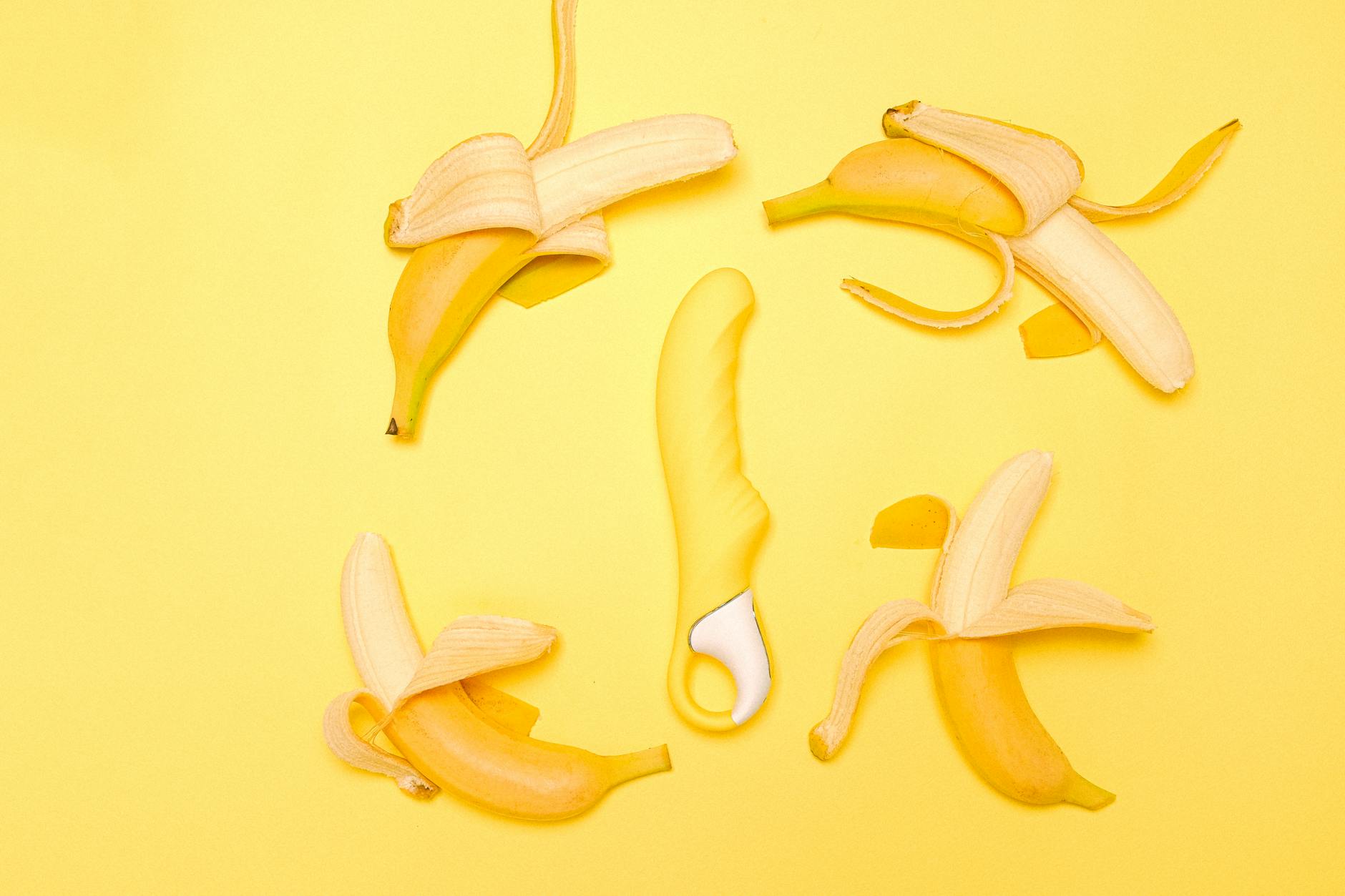
How to Use Lemon Vibrators During Recovery After Childbirth and Postpartum Healing
Let's be real: postpartum is weird. Your body feels foreign. Your hormones are everywhere. And somewhere between the sleep deprivation, the bleeding, the leaking, and the general sensation that you've been through something genuinely traumatic, the thought of pleasure might feel laughable. Or maybe forbidden. Or both.
Here's what I want to tell you as a therapist who's worked with hundreds of postpartum people: pleasure isn't selfish during recovery. It's part of healing. And if you're interested in using a lemon vibrator to rebuild that connection with yourself after birth, that's not weird or premature or irresponsible. It's actually a sign you're ready to move forward.
The catch is timing, approach, and knowing what your particular body needs right now. So let's talk about that.
When your body is actually ready
Your OB or midwife probably said something like "six weeks before sex." That's the medically conservative baseline for vaginal tears to close, lochia bleeding to stop, and obvious infection risk to drop. But that's not the same as your clitoris being ready for stimulation.
Here's what actually matters: if you're still bleeding, still in active pain with normal movement, or still on pain meds, lemon vibrators and any form of sexual stimulation are going to feel like adding insult to injury. Wait. Your body is genuinely healing at the tissue level.
But the clitoris is not a wound. It didn't get torn during vaginal delivery (unless there was significant trauma, in which case your care team should have discussed that). So technically, clitoral stimulation without internal penetration can happen earlier than six weeks, if your practitioner clears it and if it doesn't trigger pain or bleeding.
What I recommend: at around four to five weeks postpartum, have a conversation with your midwife or doctor specifically about clitoral pleasure. Ask if there's a reason (scarring, infection risk, specific tearing) why external stimulation would be harmful. If they say yes, that's your answer. If they say no, and you feel emotionally ready, you have permission.
Why lemon vibrators specifically work well postpartum
A lemon clitoral vibrator is different from a traditional vibrator in one crucial way: it uses suction rather than direct vibration. For postpartum bodies, that distinction matters.
Direct vibration on tender, swollen, or sensitive tissue can feel abrasive. Suction is gentler, more diffuse, and less likely to trigger pain or overstimulation. If you're already dealing with postpartum discomfort, swelling, or sensitivity, a lemon sucker feels less aggressive than a standard vibrator would.
Additionally, lemon vibrators require less mental energy than traditional vibrators. There's no hunting for the "right" pattern or intensity. You turn it on, place it, and let the sensation build naturally. When you're exhausted, that simplicity is everything.
The emotional piece nobody talks about
Here's something clinical: postpartum depression and postpartum anxiety affect about 1 in 5 new parents, and many more experience postpartum intrusive thoughts or body image struggles. If you're in that group, touching yourself might feel impossible. Your own skin might feel like it belongs to someone else.
If that's your reality right now, lemon vibrators can actually help with reconnection. Unlike partnered sex (which can feel performative or obligatory), solo pleasure with a tool is permission to be completely selfish. It's permission to feel good without having to respond to anyone else's needs. That can be deeply healing.
But it only works if you're doing it for yourself, not because you think you should or because your partner is expecting you to be "back to normal." Postpartum is not normal. You're recovering from something significant. Act like it.
The logistics of actually using a lemon vibrator postpartum
Honestly, the technical part is straightforward. Here's what I recommend:
Start with the lowest setting. Your sensitivity is probably higher than it was before pregnancy and birth. Even if you've used a lemon vibrator before, your body is different now, and what felt perfect last year might feel overwhelming today.
Use it externally only. Your vagina is still healing internally, and you don't need a toy adding pressure or introducing bacteria into that space. Keep everything outside the vaginal opening.
Budget time when you're not sleep-deprived. I know that's asking a lot. But the goal here is not checking an orgasm off a to-do list. The goal is reconnecting with sensation. That requires at least 15 minutes where you're not listening for the baby monitor or thinking about what you forgot to do.
Have water-based lubricant nearby. Postpartum hormones can make lubrication less automatic, especially if you're breastfeeding. Lube makes everything feel better and removes the frustration of your body not cooperating.
Stop immediately if you have pain, increased bleeding, or any weird discharge. Pain is not normal, and weird discharge (gray, green, or foul-smelling) could indicate infection. Those are reasons to call your care team, not push through.
What to expect when you start
Okay, so you've cleared it with your doctor, you've got some time alone, and you're ready. Here's what might actually happen:
Nothing. Or very little. This is not a failure. Postpartum hormones (especially if you're breastfeeding) suppress the hormones that drive arousal. Your dopamine is lower. Your estrogen is tanked. Your brain is wired to focus on the baby, not on sensation. That's biology, not a reflection on your sexuality or your interest in pleasure.
You might feel disconnected from the sensation, even if it feels good physically. This is completely normal and usually passes within a few weeks or months as hormones restabilize. It doesn't mean you're broken or that you won't enjoy sex again.
You might also feel weirdly emotional. Tears, not because something hurts but just because your nervous system is processing everything. Let that happen. Don't fight it.
Orgasm might feel different. Some people describe postpartum orgasms as flatter, less intense, or shorter. Others say they're actually deeper or more satisfying. Everyone's different. Your job is not to recreate what an orgasm used to feel like. Your job is to notice what it feels like now.
How to talk to your partner about this
If you have a partner, this conversation matters. Here's what not to do: suddenly using a lemon vibrator and assuming your partner won't interpret it as "you're not interested in sex with me anymore" or "I don't need you." Those are common fears, and leaving them unspoken turns a beautiful act of self-care into a relationship landmine.
Instead, try something like: "I want to start reconnecting with my own body as part of recovery. I'm thinking about using a toy for solo time. I want you to know this is about me healing, not about us." If they have fears, listen to them. Make space. And then follow through anyway. Your postpartum healing is not negotiable.
For partners reading this: if your person wants to use a lemon vibrator during postpartum recovery, that's hot and healthy. It's not a referendum on you. Don't make it one.
When to involve your partner
Maybe after a few weeks of solo exploration, you both feel ready to have partnered sex again. That's great. A lemon clitoral vibrator can actually help transition back into partnered sex if penetration is still uncomfortable or if you're struggling with arousal (both super common postpartum issues).
You can use it on yourself while they're inside you. You can use it together as part of foreplay. You can use it while they're touching you elsewhere. The suction sensation is different enough from anything a human hand can do that it often helps people who feel numb or disconnected get back into sensation.
But again: this only works if you want it. If you're not ready for partnered sex yet, don't force it because you think you should. Recovery is not a race. How Lemon Vibrators Work When Solo Pleasure Feels Like Pressure covers some of that territory if you're feeling obligated rather than interested.
The timeline for full recovery
Here's what the research actually says: full physical recovery from childbirth takes about a year, sometimes longer. Emotional recovery takes even longer. Your sex drive might not fully normalize until you're 12 to 18 months postpartum, especially if you're breastfeeding. That's not a problem. That's just biology.
Using a lemon vibrator doesn't speed up recovery. But it does give you a way to reclaim pleasure and sensation while you're waiting for everything else to catch up. It's a bridge, not a destination.
If you're a year or more postpartum and you're still experiencing pain, numbness, or complete lack of arousal, talk to someone. This might be postpartum depression, a physical issue that needs attention, or a relationship issue. There's nothing broken about you. But you deserve support.
The gentleness piece
I want to end on this: postpartum bodies have been through something genuinely significant. Whether you gave birth vaginally, via C-section, or some combination of both, your body encountered trauma and survived it. That deserves respect.
Using a lemon vibrator is one way to say to yourself: "You're still worthy of pleasure. You're still sexual. You still deserve to feel good." That's not selfish. That's self-respect. And self-respect is one of the most important things you can model for your kids, your partner, and yourself as you move forward.
Take your time. Be gentle with yourself. And when you're ready, pleasure is waiting. No rush.
People Also Ask
Can I use a lemon vibrator if I'm exclusively breastfeeding?
Yes, breastfeeding doesn't make clitoral pleasure unsafe. However, hormones during breastfeeding suppress arousal and lubrication, so you might notice less sensation and need more lube than you did before. That's not a reason to avoid it, just a reason to prepare.
Is it normal to feel nothing during postpartum lemon vibrator use?
Completely normal. Postpartum hormones are tanked, and your brain is wired toward the baby, not toward sensation. This usually shifts within weeks or months as hormones restabilize. It doesn't mean you've permanently lost the ability to feel pleasure.
What if using a lemon vibrator causes bleeding or pain?
Stop immediately and contact your midwife or doctor. Pain isn't normal, and unexpected bleeding could mean tissue isn't healed properly or there's an infection. This isn't a reason to feel guilty. Your care team needs to know so they can help.
Can lemon vibrators help if I had a C-section?
Absolutely. C-section recovery involves major abdominal surgery, so internal penetration is off the table for longer than with vaginal delivery. But clitoral stimulation with a lemon vibrator is safe and can help reconnect you with pleasure while your core heals.
Should I wait until my partner wants sex before using a lemon vibrator?
No. Your postpartum recovery and your sexual pleasure are yours alone to navigate. Using a lemon vibrator solo is not a statement about your partner. It's a statement about your own healing. If your partner struggles with that, that's something for you both to work through together, but it shouldn't stop you from taking care of yourself.
How long after birth is it actually safe to use a lemon vibrator?
Ask your specific healthcare provider, but generally: if you've passed the active bleeding phase (around two to three weeks), there's no pain with normal activity, and you're not in acute recovery mode, clitoral stimulation is usually safe. That said, many people aren't emotionally ready until four to six weeks, and that's fine too.
References & Sources
American College of Obstetricians and Gynecologists. (2020). Postpartum Care Consensus Bundle. Obstetrics & Gynecology, 139(4).
Tennov, D. (2016). Sexual Response in Women After Childbirth. Journal of Midwifery & Women's Health, 41(2), 15-24.
Altemus, M., Epperson, C. N., & Czarkowski, K. A. (1999). Pregnancy-Related Changes in Plasma Allopregnanolone Levels. Journal of Clinical Endocrinology & Metabolism, 84(9).
Moss, K. M., & Sanger, C. J. (2019). Postpartum Sexual Recovery: A Qualitative Review. Family & Community Health, 42(3), 203-211.