Let's start with the real part
Depression doesn't just make you sad. It makes your body feel like it belongs to someone else. Pleasure circuits shut down. Touch that used to feel good feels numb or overstimulating or both at once. Your partner might be ready to reconnect. You might want to want it. And your nervous system is like, "Not interested, actually."
Chosing a lemon vibrator when you're rebuilding intimacy after depression isn't about finding the "best" toy. It's about finding the one that doesn't demand anything from you.
Why lemon vibrators specifically work here
Most vibrators make you earn the sensation. They require a certain amount of pressure, rhythm consistency, or mental focus. When your brain is still rewiring from depression, that's friction you don't need.
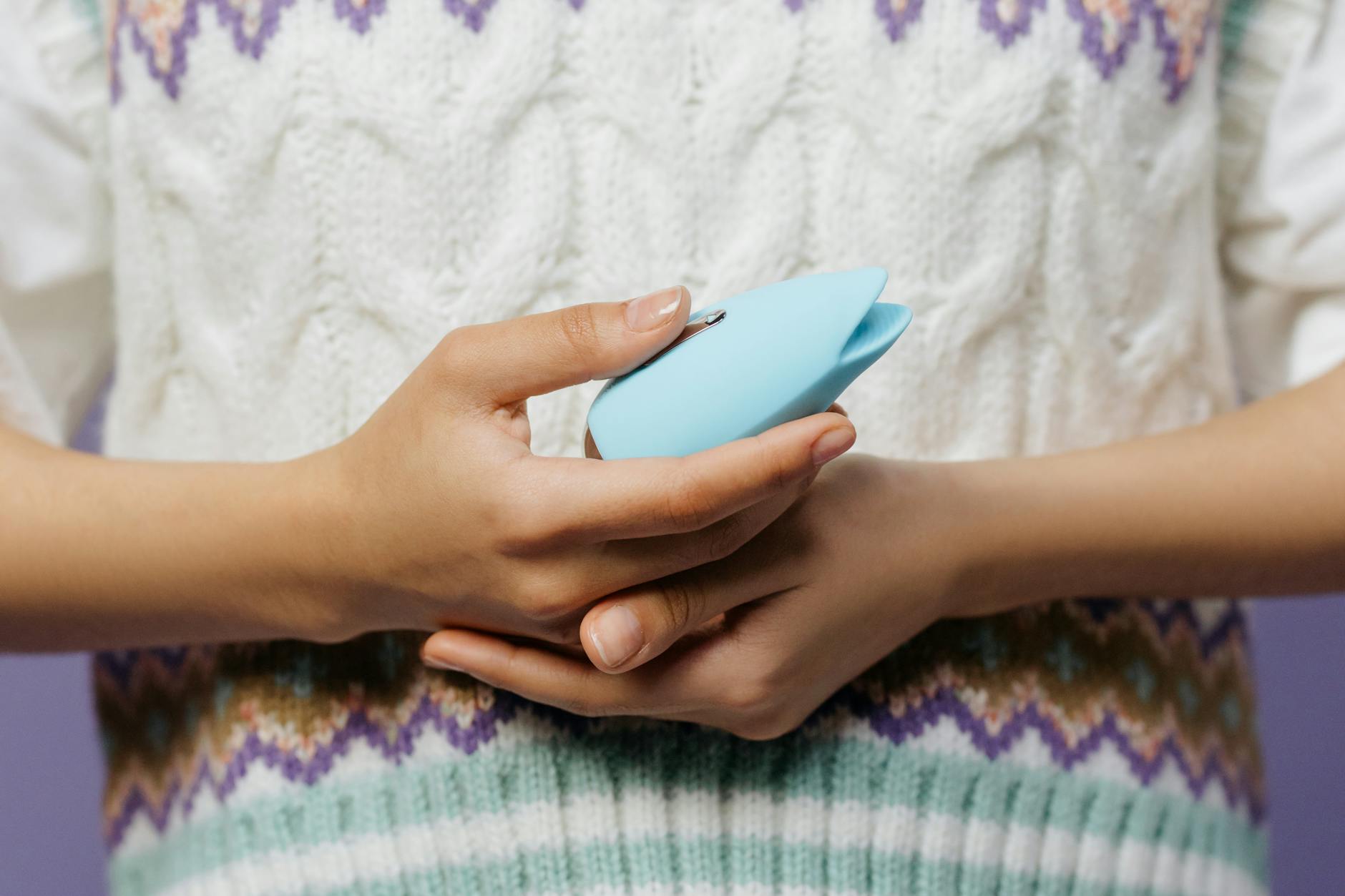
Lemon clitoral vibrators use air-pulse suction technology instead of buzzing. This matters because suction doesn't require you to hold still, press hard, or perform anything. The sensation comes to you. You're passive in the best way. For bodies that are still recovering sensitivity, that softness is everything.
Also, lemon sucker toys are small, which sounds minor but isn't. They're not intimidating. They're not a "serious" toy that signals "okay, we're doing this now." They're discreet enough that you can use one solo, with a partner, during a shower, whenever. Low stakes. High permission.
The three things to evaluate before you buy
1. Intensity range that doesn't start at ten.
If you're just beginning to feel sensation return, a vibrator with 10 intensity levels where level 1 still feels aggressive is going to backfire. You need a toy where the lowest setting feels like a whisper, not a shout.
Lemon vibrators typically have multiple patterns and intensity levels. Start by reading reviews from other people rebuilding sensitivity. Ignore the reviews from people in full-sensation mode. Their "gentle" and your gentle are different right now.
2. Ease of use when your executive function is compromised.
If you're still managing depression, your cognitive load is high. A vibrator with a five-button menu system that requires remembering which pattern you liked last time is a barrier you don't need. Look for toys with one or two buttons. Single-hand operation. Intuitively simple.
3. Material that feels safe and trustworthy.
When your body doesn't feel like yours yet, material matters psychologically. Medical-grade silicone or ABS plastic feels clinical in the good way. It feels intentional and safe, not improvised. Body-safe materials also reduce the chance of irritation, which is real when sensation is volatile.
How to actually pick one
Here's the honest approach: don't pick one based on reviews from people with intact sensation. Instead, look for language like "subtle," "gentle," "builds slowly," "doesn't overwhelm," or "good for sensitivity." Those are your signal words.
Read bad reviews too. If someone with a history of difficulty says "This was too intense even at level one," that's useful data. If they say "I wanted more power," that's less relevant to you right now.
Consider starting with a basic lemon clitoral vibrator rather than a deluxe version with 20 patterns. Fewer choices actually reduces anxiety. You don't need every pattern. You need one or two sensations that feel good without feeling like they're happening to you.
The partner conversation (if there is one)
If you're with someone, the thing they need to know is that choosing a vibrator doesn't mean "I'm ready now." It means "I'm building permission to explore what might feel good." Those are not the same.
A partner who gets defensive about toys isn't ready for this phase anyway. A partner who's truly invested will see a lemon vibrator as a collaborative tool, not competition. If your partner can hold that frame, it matters. If they can't, that's separate information.
What rebuilding actually looks like
Most people think intimacy recovery is linear. It isn't. Some days sensation returns and you feel hopeful. Other days your body shuts down again and you feel like you've failed. You haven't. Depression recovery isn't smooth.
With a lemon vibrator in hand, you're not aiming for orgasm. You're not aiming for arousal. You're aiming for one small moment where your body feels like it belongs to you again. That's the whole goal. When that happens consistently, when you can access pleasure without it feeling like an obligation or a performance, then the next layer becomes possible.
Common worries and what's actually true
You might worry that choosing a vibrator means your depression is your fault. It doesn't. You might worry that needing help means something is broken. It doesn't. You might worry that your partner will think you're not attracted to them. Talk about that directly, because shame in silence kills more intimacy than any toy ever could.
What's actually true: rebuilding sensation is clinical work. It's nervous system recalibration. A lemon vibrator is a tool, like physical therapy for pleasure. And you deserve tools.
When to reach out for more support
If you're choosing a vibrator and anxiety spikes, or if shame won't budge, or if your partner is resistant in ways that feel hostile, that's a sign that sex isn't the actual barrier. Depression, trust, or relational dynamics are. A therapist who specializes in sexuality and depression can help separate those threads. This isn't something you have to solve alone.
The goal of choosing a lemon vibrator when you're rebuilding after depression is permission. Permission to explore your own pleasure without earning it. Permission to go slow. Permission to change your mind. When you find a toy that feels like an invitation instead of a demand, you've found the right one. Everything else follows from there.
People also ask
What's the difference between a lemon vibrator and a regular vibrator for depression recovery?
Regular vibrators use vibration, which requires direct pressure and sustained sensation awareness. Lemon clitoral vibrators use suction instead, which is gentler and more forgiving. The suction creates sensation without demanding anything from your body. For someone rebuilding sensitivity, that passivity is healing.
Can using a vibrator while depressed make depression worse?
Not inherently. What can make things worse is shame, pressure to perform, or using a vibrator as a substitute for professional support. A vibrator is a tool, not a treatment. If you're using it alongside therapy or medication, it can actually help you notice when sensation returns, which is a positive sign of nervous system recovery.
How do I know if I'm "ready" to try a lemon vibrator?
Readiness isn't a feeling. It's a choice. You don't have to feel aroused or confident or healed. You just have to be curious about whether pleasure is possible. Curiosity is enough to start.
What if my partner thinks using a vibrator means I don't want them?
That's their fear talking, not your reality. A vibrator is a tool for your own nervous system recovery. It has nothing to do with attraction. If your partner can't separate those ideas, that's worth addressing in couples therapy. Resentment about tools will sabotage both of you.
Is there a "best" lemon vibrator for depression recovery?
There's no universal best. There's the one that feels least threatening to your nervous system right now. That might be the smallest option, the quietest, the simplest. The best toy is the one you'll actually use, not the one that has the most reviews.
How long does it take for sensation to come back?
It varies wildly. Some people feel shifts in weeks. Others take months or years. Recovery isn't linear. A vibrator can help you notice small moments of sensation returning. Those moments are victories, even if they're small. Celebrate them.