The honest conversation nobody's having
Let's be real: SSRIs work. They quiet the noise in your head, stabilize mood, and for many people, they're non-negotiable. But they come with a footnote that most doctors mention as a side effect and move on. "Sexual dysfunction can occur," they say, and then you're supposed to just accept it.
Except you don't have to. And nobody's actually talking about the practical ways to work around it.
Here's what happens physiologically when you take an SSRI. The medication increases serotonin availability in your brain, which is the whole point. But serotonin also regulates arousal, blood flow, and orgasm. So the very mechanism that makes you feel better also makes pleasure harder to access. Sensation dulls. Arousal takes longer. Orgasm becomes distant or disappears entirely. For some people, it's mild. For others, it's a complete shutdown.
Most conversations about this stop at either "switch medications" (which isn't always possible) or "it's just a side effect you have to accept" (which is deeply untrue). There's a middle path, and it involves understanding how your body still works and what tools actually help.
Why normal vibrators don't always cut it anymore
When sensation is already blunted by SSRIs, a traditional vibrator can feel like you're trying to feel something through a thick wall. You're chasing sensation that won't come. You increase intensity. You keep going longer. You start performing rather than feeling.
That's the trap.
The issue is that most vibrators rely on you having baseline sensitivity to begin with. They require direct nerve stimulation at increasing frequencies until something registers. When SSRIs have already dampened your sensory response, you're starting from a deficit. The vibrator has to compensate for that loss.
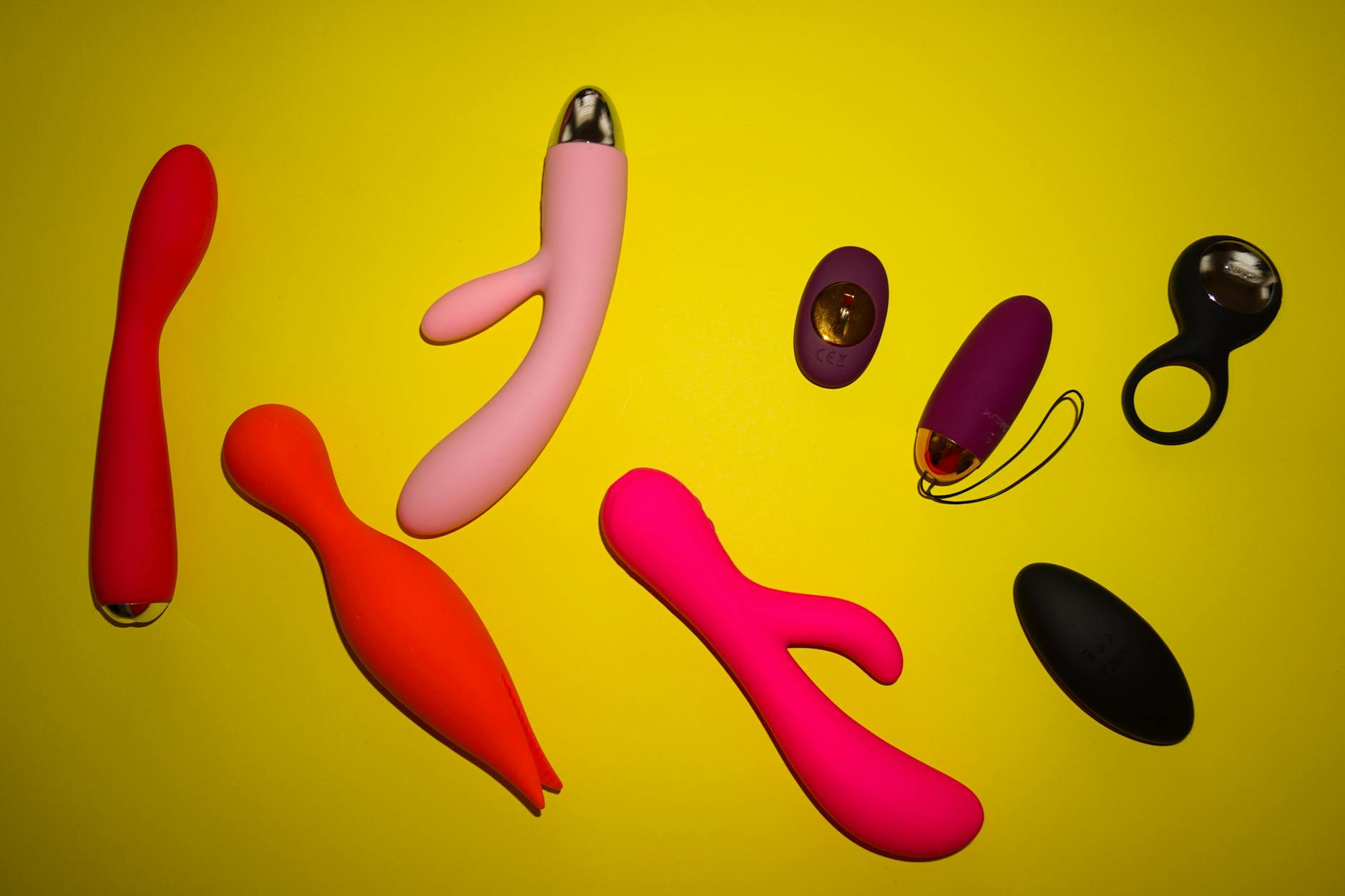
Lemon clitoral vibrators and clitoral suction toys work differently. Instead of raw vibration, they use gentle suction and pulse patterns that activate nerve clusters without requiring the same level of baseline sensation to register. It's less about friction and more about creating a gradient of pressure change that your nervous system can still detect, even through the SSRI haze.
How suction-based stimulation bypasses the SSRI numbness
Your clitoris has roughly 8,000 nerve endings concentrated in a tiny space. When sensation is dampened, those nerves aren't dead. They're just receiving a quieter signal. A traditional vibrator sends a high-frequency stimulus that relies on your nerves being sensitive enough to catch it. Suction works differently.
Suction creates a pressure differential. It's not a frequency your nerves have to detect. It's a change in physical state that registers as something new and different. Studies on clitoral suction devices (like lemon vibrators) show they activate a broader range of nerve fiber types than vibration alone, which means they can still work even when your general sensation has taken a hit.
The rhythm is also gentler. Most lemon suction toys pulse rather than buzz. They build sensation gradually instead of demanding immediate response. For someone whose arousal timeline has been extended by SSRIs, that slower build is actually better. Your nervous system gets time to catch up.
The practical setup that actually works
Three things change when you're using a lemon clitoral vibrator while on SSRIs:
1. Timing matters more. Your arousal window might be wider now, meaning it takes longer to build but lasts longer once it starts. Plan for 20-30 minutes instead of expecting spontaneous quickies. That's not a loss. That's information. Use lube from the beginning, even if you think you won't need it. SSRI-related numbness often comes with reduced natural lubrication.
2. Start with the gentlest setting. If your body is already struggling to register sensation, blasting yourself with the highest intensity defeats the purpose. Begin at the lowest pulse pattern on your lemon vibrator and spend 5-10 minutes there before moving up. Let your nervous system warm up to it.
3. Mental focus becomes part of the technique. This isn't fluff. When physical sensation is muted, your brain's engagement matters more than usual. Remove distractions. Put your phone away. If you're with a partner, talk about what you're doing instead of performing it silently. The mind-body connection is the bridge between SSRI numbness and actual pleasure.
When to talk to your doctor about this
I want to be clear: this conversation is not about getting off your medication. SSRIs aren't optional for most people taking them. They're life-saving. But the sexual side effects are real and worth addressing.
Start with your prescriber. Tell them specifically what's happening: arousal is slower, sensation is muted, orgasm is harder. Don't minimize it. Don't apologize for bringing it up. Good doctors have heard this before and have options.
Some people find that adjusting the timing of their dose helps. Taking your SSRI at night instead of morning can shift when the peak concentration hits. Others find that a small dose adjustment makes a difference. Some benefit from adding a complementary medication like bupropion or buspirone that can counteract the sexual side effects.
If your doctor suggests switching to a different SSRI, that's worth exploring. Different SSRIs affect sexual function differently, and what numbs one person might barely affect another.
But if none of those options work, or if they do work partially, tools like lemon clitoral vibrators aren't a last resort. They're part of a real treatment plan.
What this means for your relationship
If you're partnered, the SSRI numbness affects both of you. Your partner might feel rejected. You might feel guilty for not wanting sex the way you used to. That's a relational problem, not a personal failure.
Bring lemon vibrators into the conversation with your partner as a practical tool, not as a workaround for desire you've lost. You haven't lost desire. You've lost easy access to sensation. The tool helps restore that access.
Some couples find that exploring lemon suction toys together actually improves intimacy because it removes the performance pressure. You're not trying to feel something you can't feel. You're working together to find what does work. That's a conversation worth having.
If your partner is resistant, that's a different conversation. Some people hear "I need a vibrator" as "You're not enough." That's on them to work through, but it's worth naming directly: this isn't about them. This is about your nervous system and SSRIs. The vibrator is medicine, not replacement.
The long-term play
SSRI sexual side effects don't always stay the same. Your body can adjust over months or years. Sensation sometimes improves on its own. Sometimes it doesn't. Either way, knowing what tools work is valuable.
Lemon clitoral vibrators aren't a permanent dependency. Some people use them consistently. Others find they need them less as they adjust to their medication. Some discover that a combination of strategies (dose timing, pelvic floor work, lube, mental focus, and a good vibrator) creates a sustainable pleasure life that feels genuinely theirs, not compromised.
The point is you don't have to choose between your mental health medication and your sexuality. There's a middle ground that's worth exploring, and it starts with honest information about how your body actually works on SSRIs.
People also ask
How long does it take for SSRIs to stop numbing sensation?
There's no universal timeline. Some people notice improvement within weeks of starting their medication as their nervous system adjusts. Others find sensation stays muted for months. A small percentage experiences persistent numbness even after years on the same medication. That's why talking to your prescriber about dosage or timing adjustments is worth doing early, rather than waiting to see if it passes.
Can you use a lemon vibrator while on antidepressants?
Yes. Lemon clitoral vibrators and suction toys are designed to work with various body states, including those affected by medication. They're not a substitute for medical advice, but they're a legitimate tool alongside other strategies. Your doctor doesn't need permission to suggest them to you, and you don't need permission from your doctor to try them.
Why do lemon suction toys work better than regular vibrators for SSRI numbness?
Lemon clitoral vibrators use suction and pulse patterns instead of pure vibration. That activates a broader range of nerve types and creates a pressure gradient your nervous system can detect even when sensitivity is dampened. The rhythm is also gentler, which aligns better with the slower arousal timelines that often come with SSRIs.
Should you switch SSRIs if they're affecting your sexuality?
Not automatically. Some SSRIs do affect sexuality less than others, and switching is worth discussing with your prescriber. But it's not a guarantee that a different medication will feel better. A better first step is exploring dose timing, adding a complementary medication, or trying practical tools while staying on a medication that's otherwise working for your mental health.
Does lube actually help when you're on SSRIs?
Absolutely. SSRIs often reduce natural lubrication, so applying lube from the start prevents friction that can feel irritating rather than pleasurable. Water-based lube works with all materials. Apply generously and reapply as needed. It's not a workaround. It's basic mechanics.
Can sensation and pleasure come back after being numb from SSRIs?
Sometimes. Your body adjusts to medications over time, and sensation can improve. Sometimes you find strategies that restore enough sensation to feel genuine pleasure again. Sometimes you reach a baseline that's different from before but still genuinely satisfying. The point is not to give up on it. Pleasure is worth problem-solving for.