The numbing problem nobody warns you about
Topical anesthetics are useful. They're meant to dull pain during certain medical procedures, reduce discomfort from skin conditions, or ease tension before intimate contact. The problem is simple: they work too well, and the side effect nobody mentions is that they can leave your whole clitoral area feeling deadened for hours after application.
That numbness isn't always localized to where you applied it. Sensation can feel muted across the vulva, making orgasm harder to reach and pleasure flatter overall. The frustration is real, and it's worse because there's no clear timeline for when feeling returns.
Why numbing agents create a sensation gap
Topical anesthetics like lidocaine block sodium channels in nerve cells. This stops pain signals from reaching your brain. The mechanism is effective for pain, but it doesn't discriminate between pain and pleasure. Both travel through the same neural pathways. When you numb one, you numb the other.
The depth of numbing depends on the product's strength, how long it sits on your skin, and how thick the tissue is. Clitoral tissue is delicate and highly vascular, which means anesthetic can absorb quickly and reach deeper nerve endings. Some people report residual numbness for 2-4 hours; others feel it even longer.
Here's what makes it worse: while you're waiting for sensation to return naturally, you might avoid touch altogether. That avoidance can train your nervous system to expect numbness, making the psychological block outlast the chemical one.
How lemon vibrators wake up deadened nerve endings
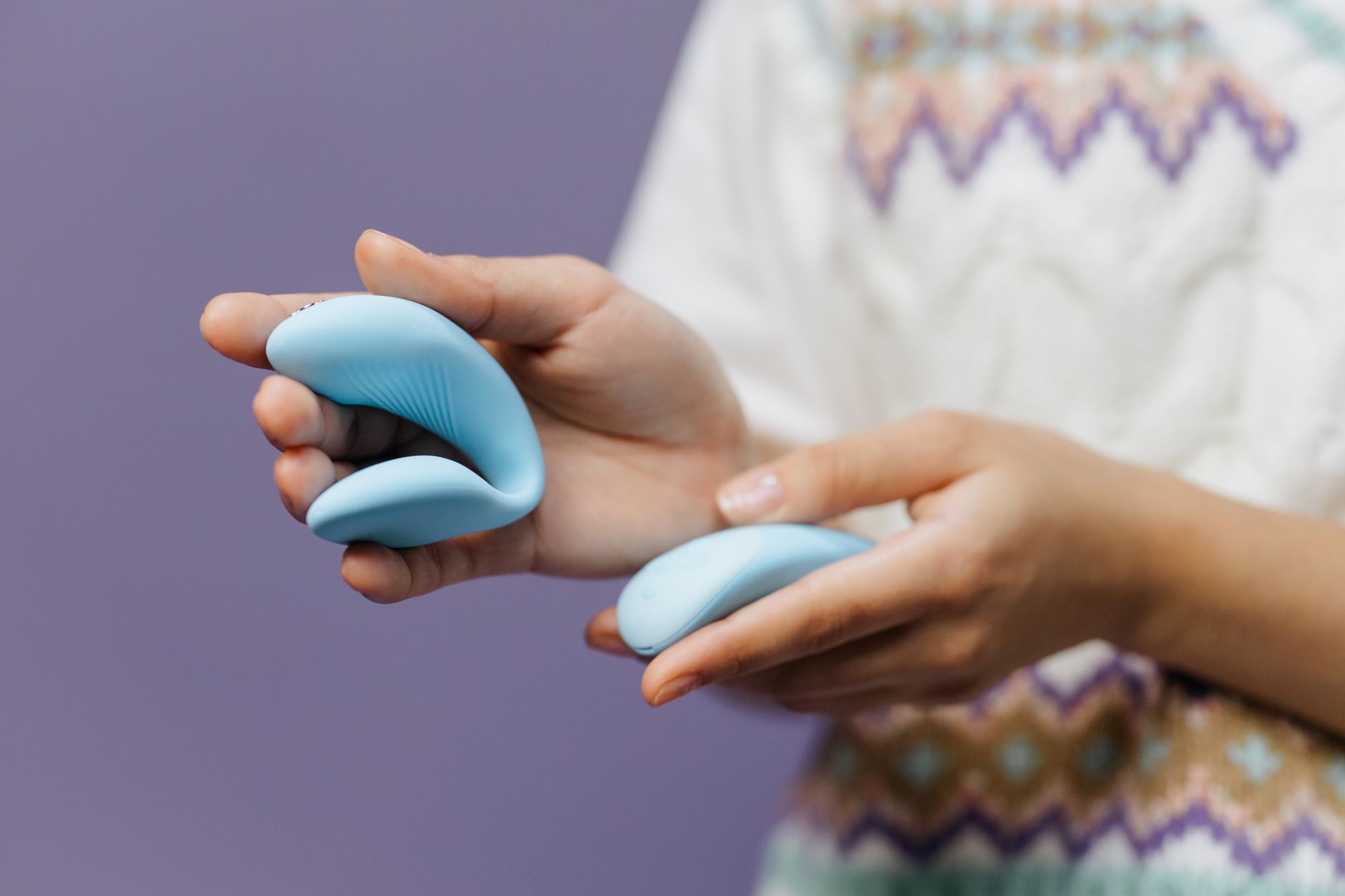
Lemon vibrators work through air-suction stimulation rather than traditional vibration. Instead of buzziness, they create a rhythmic pressure wave that mimics the sensation of oral suction. This matters enormously when sensation is compromised.
When nerves are chemically numbed, they're still there. They're just not firing. Air-suction creates a different quality of stimulation than vibration. It's broader, less direct, and works through a different neural pathway. For many people recovering sensation, this gentler approach jumpstarts responsiveness without overwhelming fragile nerves.
The suction pattern also builds gradually. You're not starting with intense vibration; you're introducing a rhythmic pressure that your nervous system can recognize and respond to. This is why people who use lemon clitoral vibrators during recovery often say the stimulation feels "waking up" rather than jarring.
The recovery timeline that actually makes sense
If you've used a topical anesthetic, your sensation restoration happens in phases.
Phase 1: Complete numbness (0-30 minutes after application). Avoid any stimulation. Your nerves are fully blocked.
Phase 2: Partial sensation return (30 minutes to 2 hours). This is when some people reach for a toy too soon and feel disappointment. Sensation is patchy. Some nerves are firing, others aren't. This is the exact moment lemon vibrators become useful. Start at the lowest air-suction setting and spend 10-15 minutes introducing rhythmic pressure without forcing arousal.
Phase 3: Near-full sensation (2-4 hours). Your nervous system is remembering what pleasure feels like. Increase intensity gradually on your lemon vibrator as you notice responsiveness building. You're not fighting against numbness now; you're rebuilding confidence in sensation.
Phase 4: Full recovery (4+ hours). Sensation returns to baseline. From here, pleasure operates normally.
The key is that lemon vibrators help you stay engaged during phases 2 and 3 instead of giving up. That continuity matters for both physical recovery and psychological resilience.
Three ways to use lemon sexual toys during sensation recovery
Start low and stay there. If your lemon vibrator has intensity settings, begin at level 1 or 2. Your goal isn't orgasm; it's responsiveness. Spend 5-10 minutes noticing what sensation is returning. Are edges coming back first? Is the sensation concentrated or diffuse? Observation matters more than outcome here.
Use rhythm over intensity. Air-suction devices like the Lem work because they establish a pattern your nervous system can track. Your brain recognizes the rhythm and begins to anticipate the next pulse. This anticipation is neurologically important. It's your brain learning to expect pleasure again. Traditional vibrators rely on speed to create sensation; lemon clitoral vibrators rely on pattern and pressure.
Combine with touch. Use your fingers to explore your vulva while running the lemon sucker nearby. Don't use them together on the same spot. Let one area get toy stimulation while another gets manual touch. This multi-sensory input helps your nervous system map responsiveness across your whole vulva instead of just focusing on the area the vibrator targets.
When medication aftereffects linger longer than they should
Sometimes numbness doesn't fade on schedule. Certain prescription medications, medical procedures, or underlying nerve conditions can extend the timeline.
If you've waited 4-6 hours and full sensation hasn't returned, consider that something else might be happening. Anxiety about numbness can create a psychological overlay that deepens the physical effect. Your nervous system goes into a kind of protective holding pattern.
Here's what helps: gentleness becomes non-negotiable. Use your lemon vibrator at the absolute lowest setting, 15-20 minutes maximum per session. Pair it with grounding techniques. Notice five things you can see. Feel the warmth of the device. Listen to your breathing. You're giving your nervous system permission to relax, not pushing it to perform.
If numbness persists beyond 24 hours or returns frequently, mention it to your healthcare provider. Some medications interact with topical anesthetics in unexpected ways. It's worth checking.
Rebuilding the pleasure-sensation connection
Numbing products don't just affect your clitoris. They affect your relationship with your own pleasure. After an experience of deadened sensation, some people feel hesitant to touch themselves or accept touch from a partner. That hesitation is normal and treatable.
Lemon vibrators help because they break the "numbness memory" cycle. When you use one during recovery and feel responsiveness returning, you're creating a new neural pathway. You're proving to your body and brain that sensation comes back. That evidence is powerful.
If you use a lemon clitoral vibrator regularly as part of your pleasure routine, even light recovery use builds confidence. You're reminded that your body responds. That's not small.
Sensation loss is temporary. But the belief that you've lost it can linger. Lemon vibrators help you remember what sensation feels like.
When to get support
If you're using topical anesthetics regularly to manage discomfort during sex, that's a sign something else needs attention. Pain during penetration, tension, or other friction sensitivity deserves professional input. A therapist or pelvic floor specialist can help you find the root cause instead of just masking it.
If you're using anesthetics to cope with numbness from medications, talk to your prescriber. Sometimes dosage changes, timing adjustments, or medication swaps can reduce sexual side effects significantly. You don't have to accept that trade-off.
For questions about how lemon sexual toys fit into your personal recovery, that's a great reason to reach out and chat. Every body is different, and there's no shame in wanting guidance tailored to what you're experiencing.
FAQ: Sensation recovery and lemon vibrators
How long does it usually take for sensation to return after using topical numbing products?
Most topical anesthetics wear off within 2-4 hours, depending on the product strength and how much you applied. Some people feel full sensation return in 60-90 minutes. Others take the full 4 hours. If numbness lasts beyond 6 hours, it's worth calling your healthcare provider. That's not typical and might indicate a reaction to the specific product or a underlying nerve sensitivity.
Can you use a lemon vibrator while numbing medication is still active?
No. Skip stimulation entirely while the anesthetic is actively numbing. You won't feel pleasure, and you risk overstimulating already-sensitized tissue without realizing it. Wait until you feel partial sensation returning in the 30-90 minute window. That's when introducing gentle lemon clitoral vibrator use makes sense.
Will lemon vibrators actually speed up the return of sensation?
They won't reverse the chemistry of the numbing agent, but they do help your nervous system remember pleasure faster. By introducing rhythmic stimulation during the recovery window, you're giving your brain sensory input to process and rebuild the pleasure pathway. Some people feel sensation return noticeably faster when they use air-suction devices during recovery versus waiting passively. The evidence is individual, but it's worth experimenting if you're in that frustrating waiting period.
Are lemon clitoral vibrators safer to use than regular vibrators during sensation recovery?
They're different, not necessarily safer. Lemon vibrators create a wider, gentler stimulation pattern that many people find easier on recovering nerves. But if you prefer traditional vibration, starting at low intensity during recovery is equally valid. The key is listening to what feels gentle versus what feels overwhelming. Your body will tell you what works.
Can you use topical numbing products if you know you're going to use a lemon vibrator?
Not at the same time. Numbing products are designed to dull sensation, which defeats the purpose of a vibrator meant to enhance it. If you're using anesthetics for pain management, that's a separate issue from pleasure. You're mixing two different therapeutic goals. Work with one or the other, or ask your healthcare provider how to sequence them safely if you need both.
What if sensation doesn't come back after 24 hours?
That warrants a call to your doctor, especially if the numbing is severe or localized to one side. It could indicate a mild allergic reaction, unexpected nerve irritation, or an interaction with something else you're taking. Prolonged numbness isn't normal. Don't wait or assume it will fade on its own.
The reality: pleasure requires sensation
Numbing products have a place in medical and comfort contexts. But they're a tool for a specific moment, not a solution for ongoing issues. If you're reaching for anesthetics regularly, something underneath needs attention. Whether that's pain, anxiety, or just needing a different approach to stimulation, Lems Nancy and a trusted therapist can help you figure it out.
Lemon vibrators aren't a fix for the root cause. But they're a genuine help for the frustrating in-between period when you're recovering sensation and want to feel pleasure again. Use them gently, trust the timeline, and remember that responsiveness comes back.