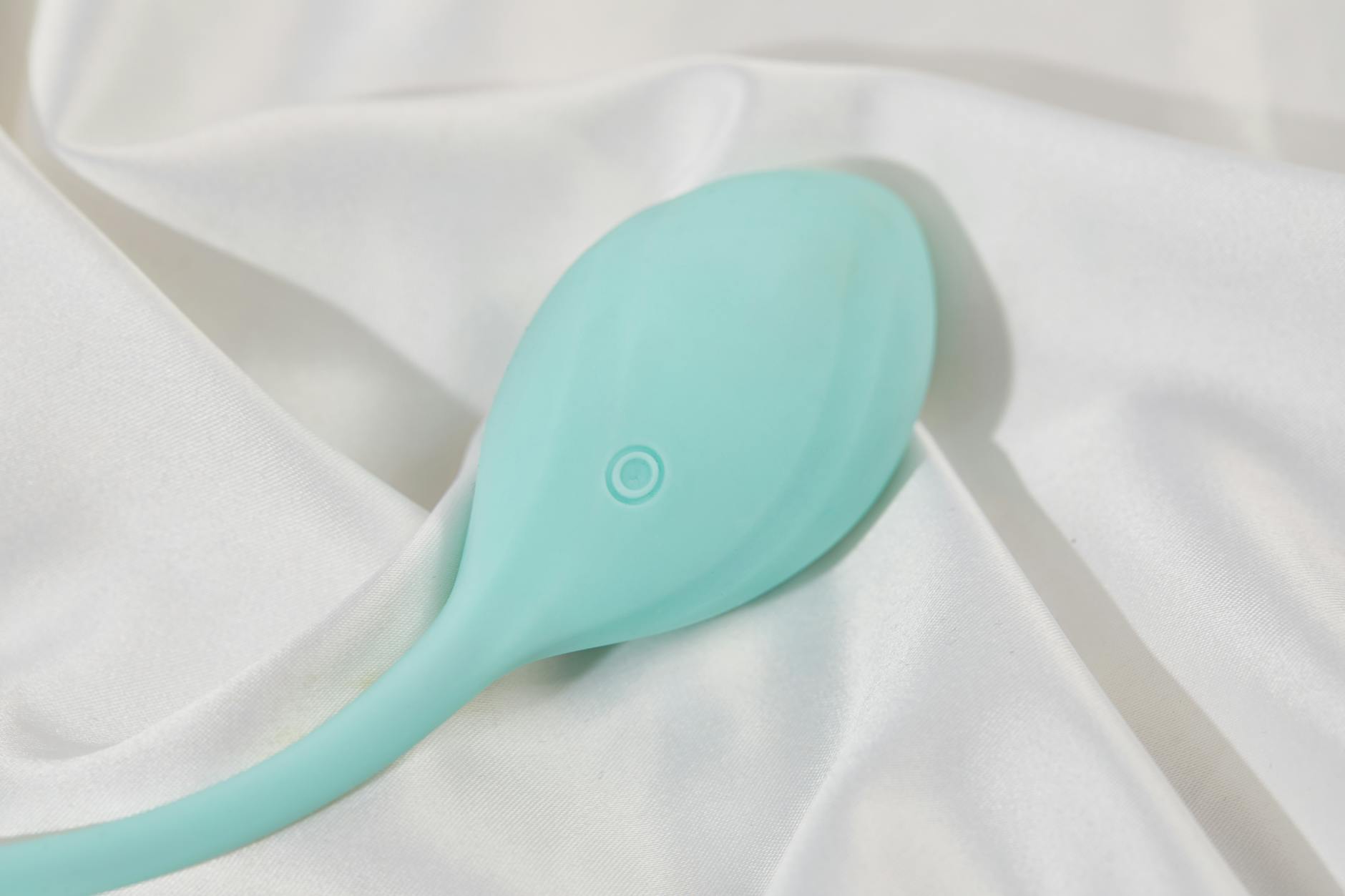
Let's be real about what divorce does to sex
Divorce is not a breakup. It's a rupture. And one of the places that rupture echoes hardest is in how you relate to your own pleasure. You don't just lose a partner. You lose the version of yourself that was shaped by years of that partnership. Your body becomes unfamiliar territory. Your sexuality feels tethered to someone who's no longer there, or worse, who hurt you before they left.
This is not uncommon. This is the rule.
Here's what I see in my practice: people post-divorce often feel disconnected from pleasure altogether. Sex becomes a reminder of failure. Self-pleasure becomes complicated by shame, grief, or simply not knowing how to touch yourself without someone else's expectations in the room. That's where lemon vibrators and other clitoral toys become more than a tool. They become a way to reclaim territory.
The confidence problem nobody talks about
Divorce damages sexual confidence in three specific ways.
First, there's the explicit rejection. Whether the marriage ended because of infidelity, incompatibility, or just slow drift, your body was ultimately not enough to hold the partnership together. That thought lives rent-free in your nervous system for a while.
Second, there's the loss of familiar feedback. In a long-term relationship, you know what your partner likes, how they respond, where the rough spots are. Post-divorce, that map is worthless. The idea of being touched by someone new, or even just being seen naked by someone new, can feel terrifying.
Third, many people haven't masturbated with intention since before the relationship began. Sex became partnered sex. Self-touch became something you did out of necessity, not exploration. Now you're standing in front of your own body like a stranger, trying to remember what feels good, or discovering for the first time what actually does.
Why lemon clitoral vibrators are different for this moment
A lemon vibrator is not a substitute for a partner. It's permission. It's the opposite of waiting for someone else to make you feel good. It's you, alone, choosing to invest time and attention in your own pleasure without apology.
Here's what makes lemon vibrators and other air-suction clitoral toys particularly useful for rebuilding confidence post-divorce.
They're intuitive. You don't need instruction or a partner who knows your body. You turn it on, adjust the intensity, and listen to what feels good. The feedback loop is immediate and non-judgmental. If something doesn't feel right, you adjust. If something feels amazing, you stay there. That radical simplicity is healing after years of sex that had to accommodate someone else's preferences.
They create new neural pathways. If your body has been shaped by one person's touch for years, pleasure can feel haunted. Using a lemon vibrator or other clitoral toy creates a completely different sensation than partnered sex. It's not better or worse. It's just different. And different feels safe because it's not tangled up in the history.
They show you what your body actually wants. Divorce has a way of making you question your own judgment. A vibrator is binary feedback. Your body either responds or it doesn't. There's no negotiation, no trying to seem interested, no performing. You orgasm or you don't. That clarity is grounding.
How to start if you haven't touched yourself in years
Most people post-divorce feel some combination of shame, rustiness, and fear about solo pleasure. Here's how to move through that.
Start with zero pressure to orgasm. That's the rule. Your goal is not climax. Your goal is sensation. Spend a week just exploring your own body with your fingers. No toy. No timer. Just fifteen minutes in a safe, private space where you're touching yourself to feel, not to perform. This sounds basic, but for someone who hasn't done this intentionally in a decade, it's revolutionary.
When you're ready, introduce a lemon vibrator on the lowest setting. Not on your clitoris first. On your thighs, your labia, your belly. Let your nervous system get used to the vibration and the idea that this is for you. This sounds slow because it is. Rebuilding sexual confidence is not a sprint.
Once you're comfortable, spend time figuring out what rhythm and intensity actually work for your body. The first orgasm post-divorce is often awkward. Your body might not remember what it's supposed to feel like. You might feel numb. You might feel everything. Both are fine. Use the lemon vibrator as a tool to explore, not as proof of anything.
The mental part is the hard part
Here's where it gets honest. Your body will probably cooperate faster than your mind.
You might feel guilty. Divorced women are sometimes socialized to believe that self-pleasure is indulgent or sad. It's neither. It's necessary infrastructure for sexual confidence.
You might feel like you're betraying your ex by moving on sexually. This is irrational, but the guilt is real. Remind yourself: your pleasure was never their property. It was just borrowed space in their attention for a while.
You might feel unsafe in your own body because your ex's hands or your ex's judgment lived there for so long. Reclaiming your body as your own territory is radical. It takes time. A lemon vibrator is part of that reclamation, but so is therapy, so is friends, so is the daily choice to believe your body is worthy of attention.
Sexual confidence is not about orgasms
This is the thing I want to land hardest. Rebuilding confidence post-divorce is not about becoming better at having orgasms. It's about believing you deserve pleasure. It's about knowing your body well enough to ask for what you want if you ever want a partner again. It's about separating your sexuality from the failure of a marriage.
A lemon vibrator can help with all of that. It's a tool for learning what feels good without anyone else's narrative in the room. It's tactile proof that your body is capable of pleasure independent of a relationship status. It's permission to think about sex as something you do for yourself, not something that proves your value to someone else.
When you can bring yourself to orgasm reliably and intentionally, something shifts. You stop seeking validation from partners and start seeking partners who can match the pleasure you've already created for yourself. That's not just better sex. That's better relationships.
If you're rebuilding after divorce and want more structure, our buying guide walks through choosing the right lemon vibrator or clitoral toy for your needs. And if you're feeling uncertain about any of this, reach out. There's no shame in needing support.
Frequently asked questions
Can using a vibrator after divorce make it harder to orgasm with a future partner?
No. This is a common concern but not supported by evidence. Using a lemon vibrator or any clitoral toy actually helps you learn what works for your body, which makes partnered sex better, not worse. You know what you like. You can communicate it. You're less dependent on someone else figuring it out. That's a feature, not a bug.
How long does it usually take to feel comfortable with solo pleasure again?
It varies wildly. Some people are ready in weeks. Others need months or longer, especially if there was trauma in the relationship. There's no timeline. What matters is that you're moving toward it, not against it. Start small, be patient with yourself, and know that discomfort is normal and not a sign you should stop.
Is it normal to feel guilty about enjoying a lemon vibrator after divorce?
Completely normal. You're reclaiming territory that felt forbidden or complicated for a long time. Guilt often shows up when we're doing something that feels transgressive, even if it's actually healthy. Acknowledge the guilt without letting it stop you. You deserve pleasure. That's not selfish. That's recovery.
Should I tell a future partner that I use a clitoral vibrator regularly?
That's up to you, but here's my bias: yes, eventually. Not on a first date. But if you're building something real with someone, honesty about what you enjoy sexually sets a healthier foundation than keeping it hidden. A partner who shames you for knowing your own body is not a partner worth keeping.
Can a lemon vibrator help me figure out if I still want sex at all post-divorce?
Absolutely. Some people come out of divorce realizing they want less sex, not more. Some realize they want different kinds of sex. Some discover they have desires they were too scared or constrained to explore in the marriage. A vibrator is a safe space to find out who you are sexually now, independent of anyone else's needs.
What if I don't orgasm easily with a clitoral vibrator?
Then you're gathering really useful information about your body. Not everyone orgasms the same way. Some people need more time, different positions, mental space, or a different kind of stimulation altogether. A lemon vibrator is a tool, not a guarantee. If it's not working after honest exploration, try something else. Your body is not broken. It's just learning to speak again.